


> At a Glance
> – Anthropic leapt from $60B to “a couple hundred billion” in one year
> – Stripe needed 12 years to hit $100B; AI firms compress that timeline
> – CFOs cite low ROI while CIOs warn of disruption if they delay
> – Why it matters: Workers face nonstop reskilling as AI agents outpace human onboarding
The CES 2026 keynote consensus is clear: artificial intelligence is rewriting tech’s rulebook faster than any prior revolution.
During a live All-In podcast taping, Jason Calacanis pressed Bob Sternfels, McKinsey’s Global Managing Partner, and Hemant Taneja, CEO of General Catalyst, on what’s fueling the surge-and who gets left behind.
Valuations in Hyperdrive
Taneja said the world has “completely changed.”
- Stripe: 12 years to $100B
- Anthropic: 12 months to jump from $60B to “a couple hundred billion”
- OpenAI and “a couple of others” could soon join the trillion-dollar club
Boardroom Split
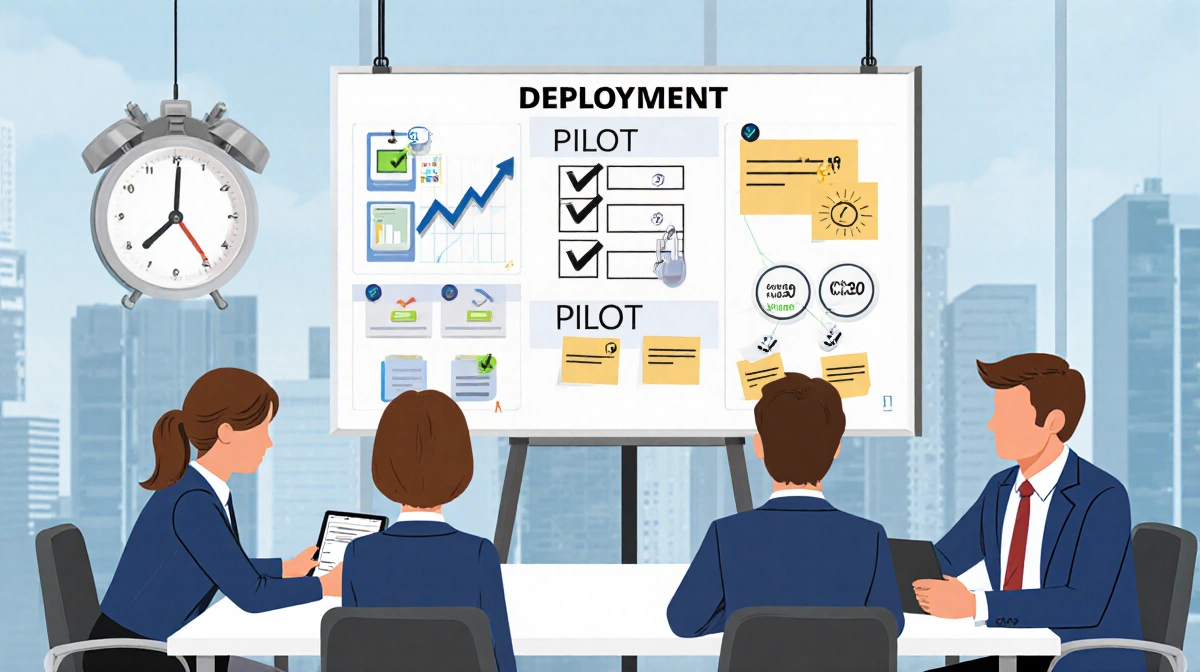
Sternfels said most enterprises are still piloting, not deploying. CEOs now ask:
> “Do I listen to my CFO or my CIO right now?”
CFOs see scant near-term return; CIOs call delay “crazy” and predict disruption.
Talent Turbulence
Calacanis warned that AI agents can be built faster than new grads are trained, threatening entry-level roles.
Sternfels advised:
> “Judgment and creativity remain uniquely human.”
Taneja countered:
> “The idea that we spend 22 years learning and then 40 years working is broken.”
McKinsey’s Own Shift
By year-end 2026, Sternfels expects:
- One personalized AI agent per employee
- 25% more client-facing staff
- 25% fewer back-office roles
- Overall headcount stays flat
| Metric | 2025 | 2026 Target |
|---|---|---|
| Client-facing roles | Baseline | +25% |
| Back-office roles | Baseline | -25% |
| AI agents | 0 | 1 per employee |
Key Takeaways
- Anthropic’s valuation multiplied ~3× in 12 months
- Non-tech firms lag in full AI rollout amid ROI debates
- Lifelong reskilling replaces the learn-then-work model
- Judgment and creativity become premium human skills
- Service giants like McKinsey are re-allocating, not cutting, staff
As AI compresses company-building timelines from decades to months, workers and executives alike must decide whether to surf the wave or be swept away.