
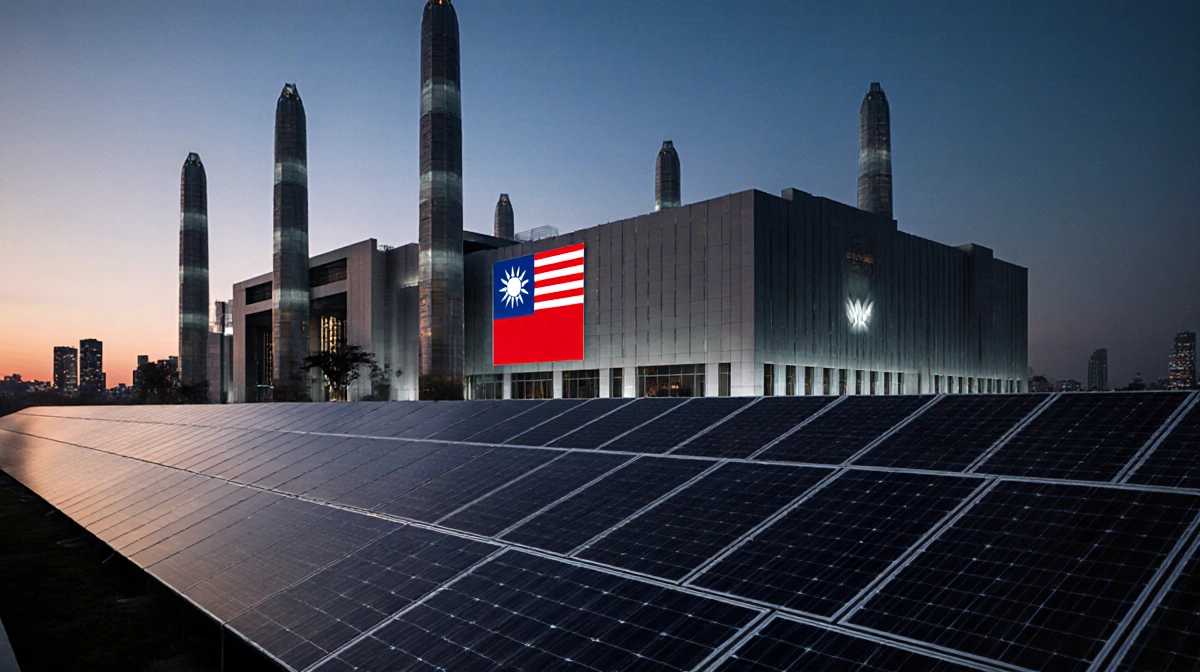

The Trump administration has sealed a sweeping semiconductor accord with Taiwan that pours $500 billion into U.S. manufacturing capacity while deepening bilateral tech ties.
At a Glance
- Taiwan’s semiconductor and tech firms will invest $250 billion directly in U.S. production and R&D.
- An additional $250 billion in Taiwanese credit guarantees will back further corporate investments.
- Washington will reciprocate by funding Taiwan’s chip, defense, AI, telecom, and biotech sectors.
- Why it matters: The pact is designed to cut U.S. reliance on Asian supply chains that currently produce 90 percent of the world’s advanced semiconductors outside America.
The U.S. Department of Commerce unveiled the agreement one day after President Trump issued a proclamation vowing to rebuild domestic chip fabrication. Only 10 percent of global semiconductor output is currently manufactured stateside, a vulnerability the administration labels an “economic and national security risk.”
Direct Investment Breakdown
Under the terms released by the commerce department:
- $250 billion in fresh capital will flow into U.S. facilities focused on semiconductors, energy infrastructure, and artificial-intelligence hardware.
- $250 billion in credit guarantees will unlock more private-sector Taiwanese funding, though the timeline for deployment remains unspecified.
- The deal does not stipulate individual company contributions or project locations.
Taiwan presently dominates global production, fabricating more than half of the planet’s semiconductors, according to the commerce department release.
U.S. Counter-Commitment
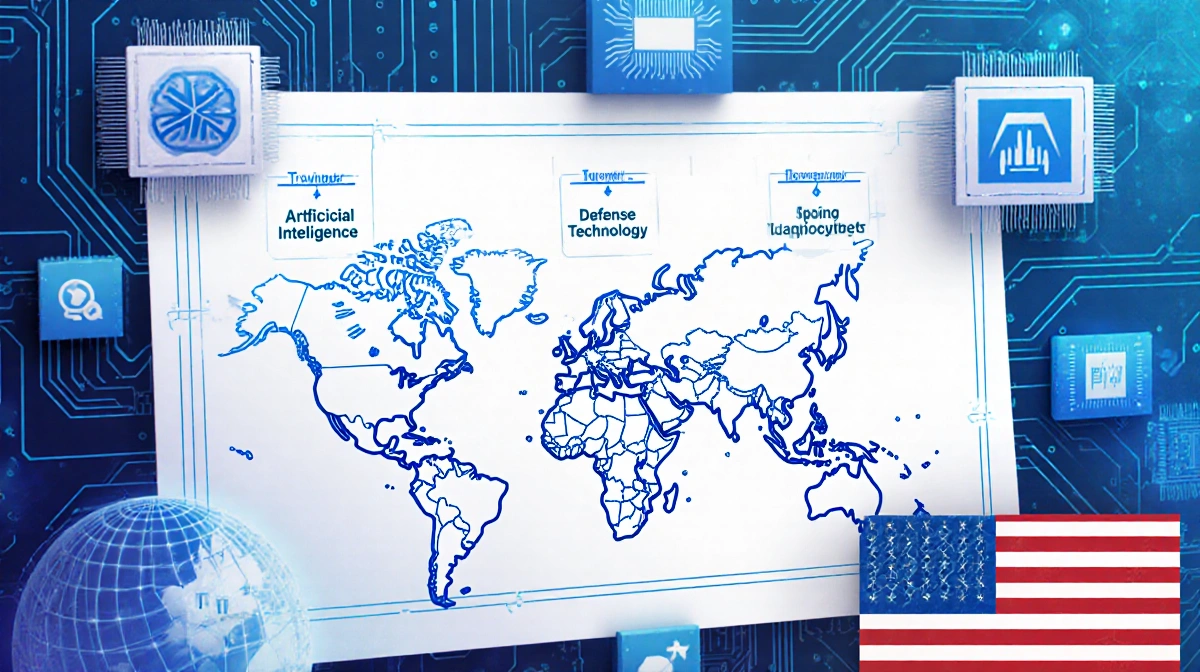
In exchange for the Taiwanese capital infusion, Washington pledged to channel federal resources into five priority sectors inside Taiwan:
- Semiconductor manufacturing
- Defense technology
- Artificial intelligence
- Telecommunications
- Biotechnology
No dollar figure was attached to the U.S. side of the ledger in the press statement.
Tariff Context
The announcement follows a proclamation that imposes a 25 percent tariff on select advanced AI chips. The administration signaled that additional semiconductor levies will be rolled out once similar bilateral agreements are struck with other nations.
“This dependence on foreign supply chains is a significant economic and national security risk,” the proclamation stated. “Given the foundational role that semiconductors play in the modern economy and national defense, a disruption of import-reliant supply chains could strain the United States’ industrial and military capabilities.”
Industry Reaction
Executives from multiple Taiwanese chip giants contacted by News Of Philadelphia declined immediate comment, citing the early stage of project planning. The commerce department said further details will be released “as investments are finalized,” leaving open the exact start date, facility sites, and employment targets.
Strategic Stakes
The accord arrives as both Washington and Taipei confront mounting pressure from Beijing’s territorial claims over Taiwan and parallel U.S. efforts to restrict China’s access to cutting-edge chipmaking tools. By anchoring Taiwanese capital on American soil, the administration aims to diversify production away from East Asia’s geopolitical flashpoints.
Senior officials emphasized the agreement is structured as a trade deal rather than a subsidy program, allowing private firms to steer investment decisions while governments provide political risk mitigation and credit backstops.
Key Takeaways
- Taiwan’s $500 billion package doubles the administration’s previous private-sector chip pledges.
- The agreement bypasses congressional appropriations, relying instead on corporate balance sheets and loan guarantees.
- Tariff threats remain the administration’s preferred leverage to coax similar commitments from allies.
- The absence of a binding timeline could dilute short-term supply-chain gains, though officials insist milestones will be enforced.
Jordan M. Lewis reported the story for News Of Philadelphia.