

At a Glance
- Microsoft will purchase 100,000+ tons of CO₂ removal from Indian startup Varaha through 2029
- Cotton waste from 40,000-45,000 smallholder farmers in Maharashtra will become biochar
- 18 industrial reactors are planned, projecting 2 million tons of lifetime carbon removal
- Why it matters: Tech giants are racing to offset AI-driven emissions by bankrolling projects in India’s vast agricultural belt
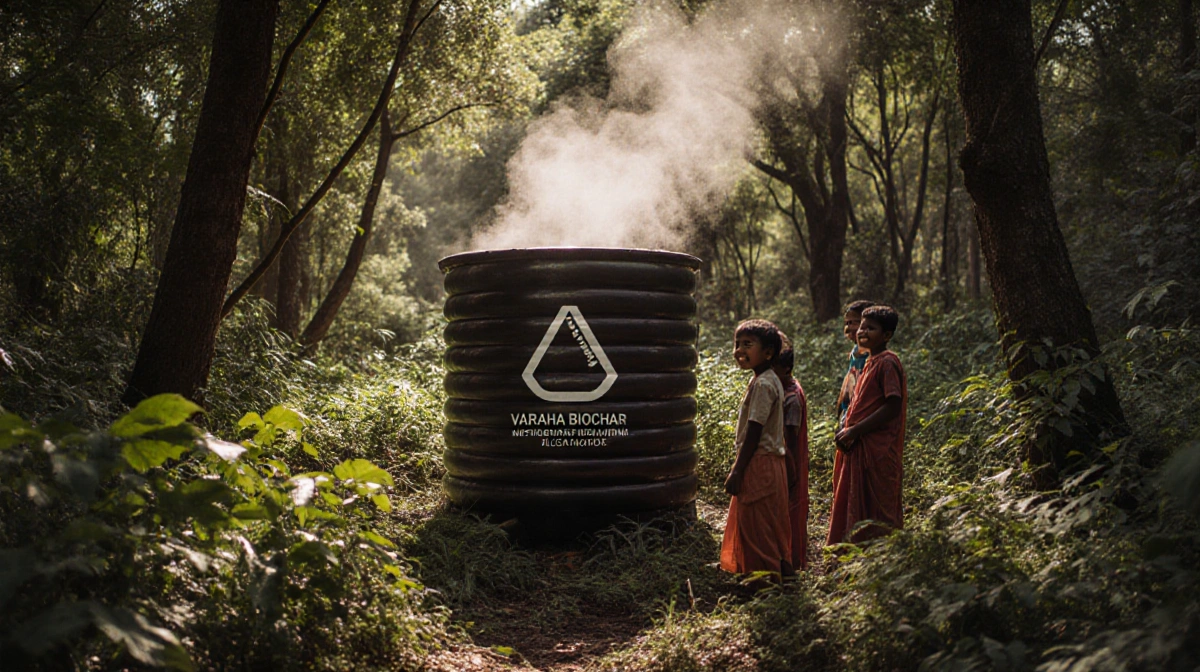
Microsoft has struck a three-year deal with Indian climate startup Varaha to buy more than 100,000 tons of carbon dioxide removal credits by 2029. The project will convert cotton crop waste-normally burned after harvest-into biochar, a charcoal-like soil additive that locks carbon away for decades while curbing open-field burning pollution.
How the Biochar Program Works
The program centers on Maharashtra, a western Indian state where 40,000-45,000 smallholder farmers produce abundant cotton stalks. Instead of burning this residue, Varaha will collect it and run it through 18 new industrial reactors to produce biochar. Each reactor is designed to operate for 15 years, pushing the project’s total projected removal above 2 million tons of CO₂.
Varaha’s CEO and co-founder Madhur Jain told News Of Philadelphia that the company’s ability to deliver verified credits at scale helped it become the world’s second-largest supplier of durable carbon removals, attracting Microsoft’s interest.
Tech Giant’s Emissions Keep Rising
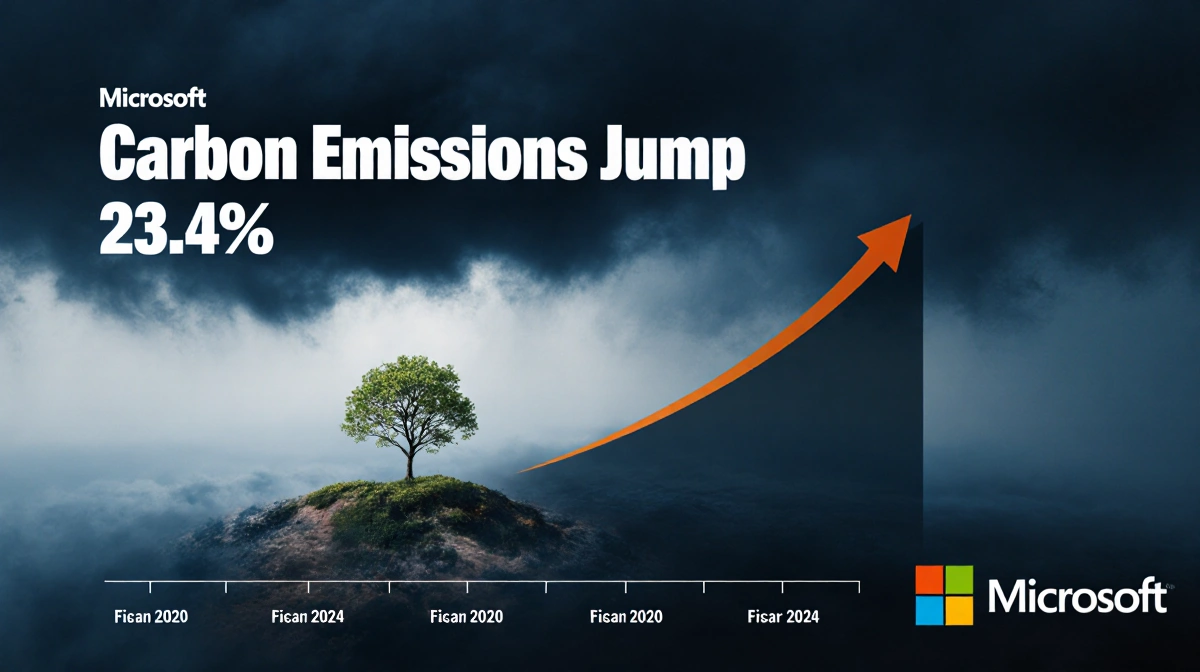
The agreement lands as Microsoft races toward its 2030 carbon-negative pledge, even as its total greenhouse-gas emissions jumped 23.4% in fiscal year 2024 versus the 2020 baseline. The surge stems mainly from value-chain emissions tied to cloud and AI expansion. Microsoft has not yet released 2025 carbon data.
To meet its goal, Microsoft contracted roughly 22 million metric tons of carbon removals in FY2024. Recent deals include:
- 6.75 million tons over 15 years from AtmosClear’s Louisiana project
- 3.6 million credits from C2X’s Louisiana biofuels plant
Varaha’s volumes remain small by comparison; Microsoft reported total emissions of 15.5 million metric tons in FY2024.
Why India Is the New Carbon-Removal Hotspot
Skyrocketing AI workloads are pushing U.S. tech firms to look beyond North America for removal projects. India offers:
- Vast quantities of agricultural waste
- A huge base of smallholder farmers
- Lower logistical costs compared with Western projects
Jain explained that Microsoft’s requirement for digital monitoring, reporting and verification forced Varaha to build custom systems. Managing feedstock from tens of thousands of scattered farms is far more complex than sourcing biomass from a single U.S. or European industrial site.
More than 30% of Varaha’s staff have agriculture backgrounds, Jain said, helping the startup design practical, field-ready logistics.
From Pilot Reactor to National Scale
Construction starts next to Varaha’s 52-acre cotton research farm in Maharashtra, where the company already tests biochar application on working fields. Under Microsoft’s commitment, the startup plans to roll out 18 reactors across India’s cotton belt.
Varaha has already scaled rapidly:
- 2025: processed 240,000 tons of biomass, produced 55,000-56,000 tons of biochar, generated roughly 115,000 credits
- 2024: generated only 15,000-18,000 credits
Jain expects throughput to at least double in 2026 to about half a million tons of biomass and close to 250,000 tons of sequestered carbon.
Portfolio Across South Asia
Beyond biochar, Varaha runs 20 projects in India, Nepal and Bangladesh. Fourteen are advanced; six are early-stage. Techniques include regenerative agriculture, agroforestry and enhanced rock weathering. The company works with around 150,000 farmers and projects potential lifetime sequestration of 1 billion tons of CO₂ over 15-40 years.
Co-Benefits for Farmers and Air Quality
Converting cotton stalks into biochar reduces seasonal open burning that worsens air pollution in northern India. Returned to fields, biochar boosts soil health and can cut dependence on chemical fertilizers.
“This offtake agreement broadens the diversity of Microsoft’s carbon removal portfolio with Varaha’s biochar project design that is both scalable and durable,” said Phil Goodman, Microsoft’s carbon removal program director.
Funding Momentum
Since its 2022 founding, Varaha has raised about $50 million from investors including:
- RTP Global
- Omnivore
- Orios Venture Partners
- IMC Pan Asia Alliance Group’s Octave Wellbeing Economy Fund
- Japan’s Norinchukin Bank
In November, French climate investor Mirova-backed by Kering and others-contributed $30.5 million to expand Varaha’s regenerative farming program.
Key Takeaways
- Microsoft’s 100,000-ton credit purchase supports India’s largest biochar rollout yet
- 18 reactors across Maharashtra will remove 2 million tons of CO₂ over 15 years
- Surging AI energy demands are pushing U.S. tech giants to bankroll overseas removal projects
- Varaha’s farmer-centric logistics and digital verification systems helped it secure the world’s second-biggest durable carbon delivery position