


At a Glance
- Deceased donor organs fell last year, cutting kidney transplants by 116
- Reports surfaced of retrieval teams prepping organs from patients still showing signs of life
- The decline marks the first yearly drop outside of 2020’s pandemic
- Why it matters: Public confidence wavers as 100,000 Americans wait for life-saving organs
A new analysis shows the first annual decrease in deceased organ donations in more than a decade, driven partly by rare but alarming reports of organ recovery teams preparing to retrieve organs from patients who still showed signs of life.
Key Numbers Behind the Decline
The nonprofit Kidney Transplant Collaborative reviewed federal data and found:
- 116 fewer kidney transplants in 2024 compared with the previous year
- Roughly 28,000 kidney transplants are performed annually
- Living-donor kidney transplants rose by about 100 procedures, softening the overall loss
- Total organ transplants still rose slightly to just over 49,000, up from 48,150 in 2024
More than 100,000 people remain on the national transplant list, most waiting for a kidney, and thousands die each year before an organ becomes available.
What Triggered the Setback
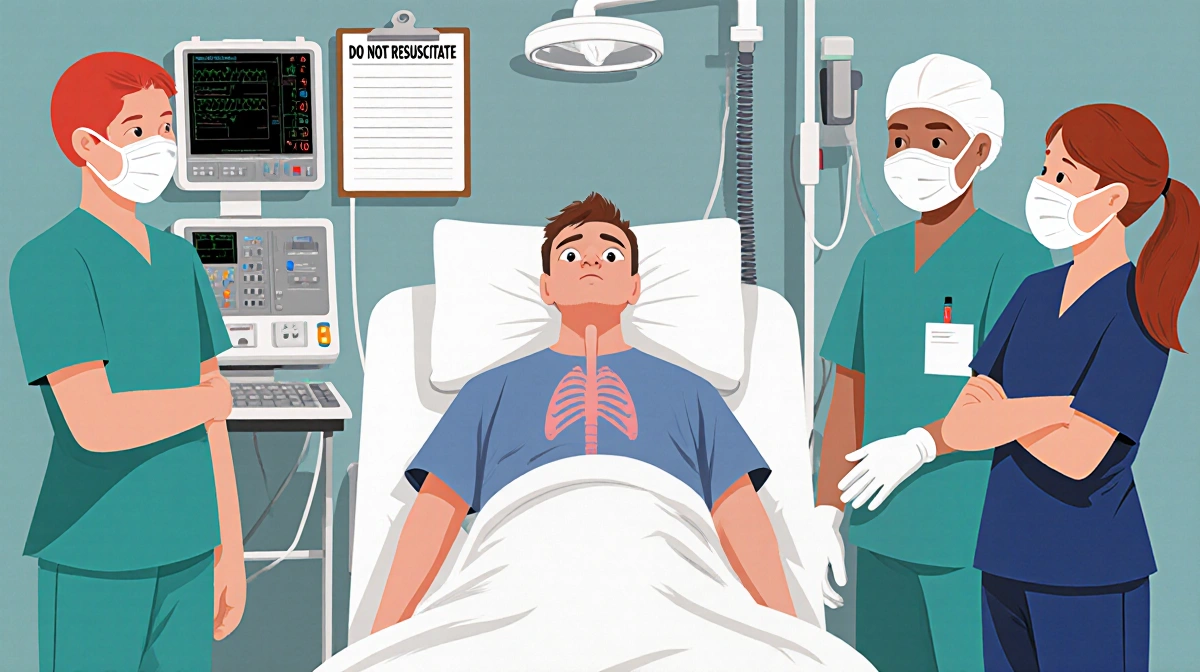
Dr. Andrew Howard, who heads the collaborative, said several planned organ recoveries were halted after medical staff detected signs of life in patients who had been declared dead. Those incidents, while uncommon, received widespread attention and prompted some individuals to remove themselves from donor registries.
The analysis links last year’s dip in deceased-donor kidneys directly to those events. Because kidneys are more dependent on deceased donors than hearts, livers or lungs, that organ felt the sharpest impact.
How Other Organs Fared
While kidney transplants slipped, other organs continued to post gains:
| Organ | 2024 Trend |
|---|---|
| Heart | Increase |
| Liver | Increase |
| Lung | Increase |
| Kidney | Decrease (-116) |
Dr. Howard attributed the split to differences in how organs are evaluated and allocated. Hearts, livers and lungs rely on more specialized matching protocols and were less affected by the publicized incidents.
Living Donors Cushioned the Blow
Had living donations remained flat, last year’s kidney shortfall would have been larger. Instead, living donors provided about 100 extra kidneys, trimming the deficit. Living donation accounts for a small share of the annual total but offers one of the surest ways to cut wait-list deaths.
The collaborative advocates expanding programs that encourage healthy individuals to donate one kidney. It notes that a single living-donor transplant can save a life and free a deceased-donor organ for someone else.
Industry Response
The Association of Organ Procurement Organizations, which was not involved in the analysis, issued a statement calling the findings “alarming.” It urged its members, hospitals and federal regulators “to unite in restoring public trust and strengthening this critical system.”
The U.S. is already implementing new safeguards, including stricter protocols for confirming death and added oversight of recovery teams. Officials hope the changes will prevent future errors and reassure prospective donors.
Historical Context
Outside of 2020, when COVID-19 disrupted transplant services, deceased organ donation has climbed steadily for years. The 2024 reversal breaks that trend and highlights the fragility of a system that depends on public willingness to donate.
Real-World Impact
Eleven-year-old Ava Cooper spent more than six months at Cleveland Clinic Children’s Hospital awaiting a heart transplant before finally receiving the call that a match had been found. Stories like hers illustrate the stakes for patients when donation rates falter.
Key Takeaways
- Deceased donor organs fell last year, trimming kidney transplants by 116
- Reports of near-retrievals from living patients eroded trust and prompted donor rollbacks
- Living-donor increases helped offset the loss
- Other organs-hearts, livers, lungs-continued to see transplant gains
- New federal safeguards aim to rebuild confidence in the donation process