

At a Glance
- U.S. Army Lt. Col. Louis E. Roemer has been accounted for 79 years after dying aboard a Japanese prison ship
- The Wilmington native saved hundreds of lives while running hospital services at Cabanatuan Prison
- His remains were identified through dental and anthropological records after being exhumed from a Honolulu cemetery
- Why it matters: His family will finally receive closure, and his name will be marked as accounted for at the Manila American Cemetery
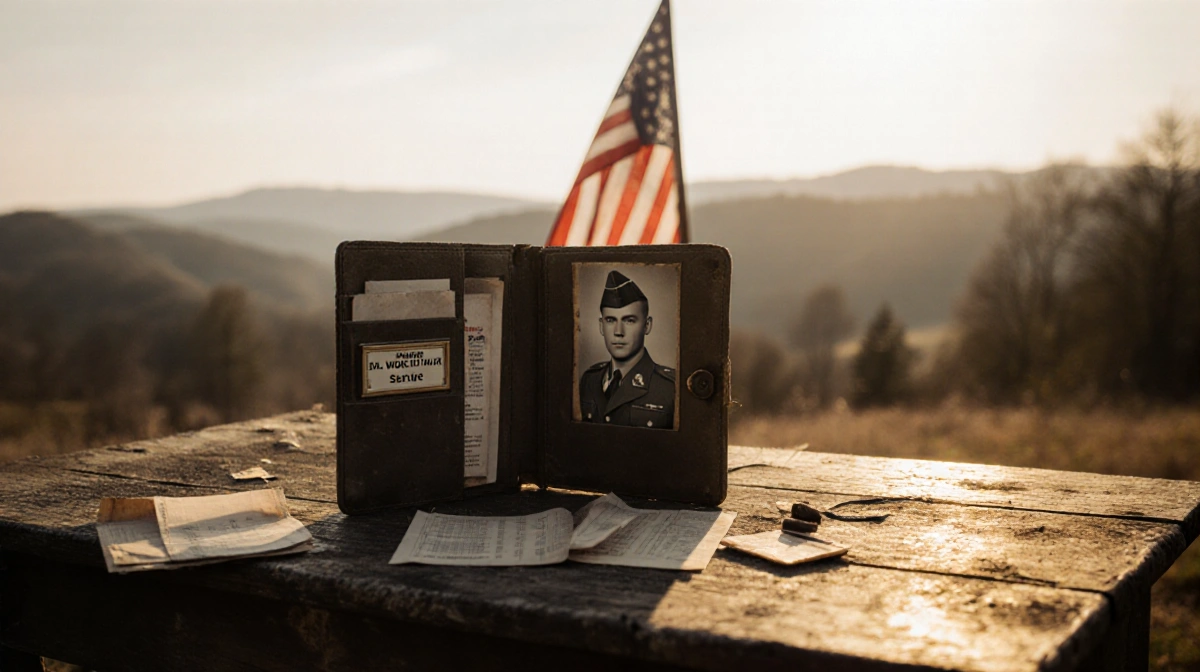
A Delaware soldier missing since World War II has been identified nearly eight decades after his death, according to the Defense POW/MIA Accounting Agency.
U.S. Army Lt. Col. Louis E. Roemer, a Wilmington native, was 43 years old when Japanese forces captured him in early 1942 while he served on the Bataan Peninsula in the Philippines.
Capture and Imprisonment
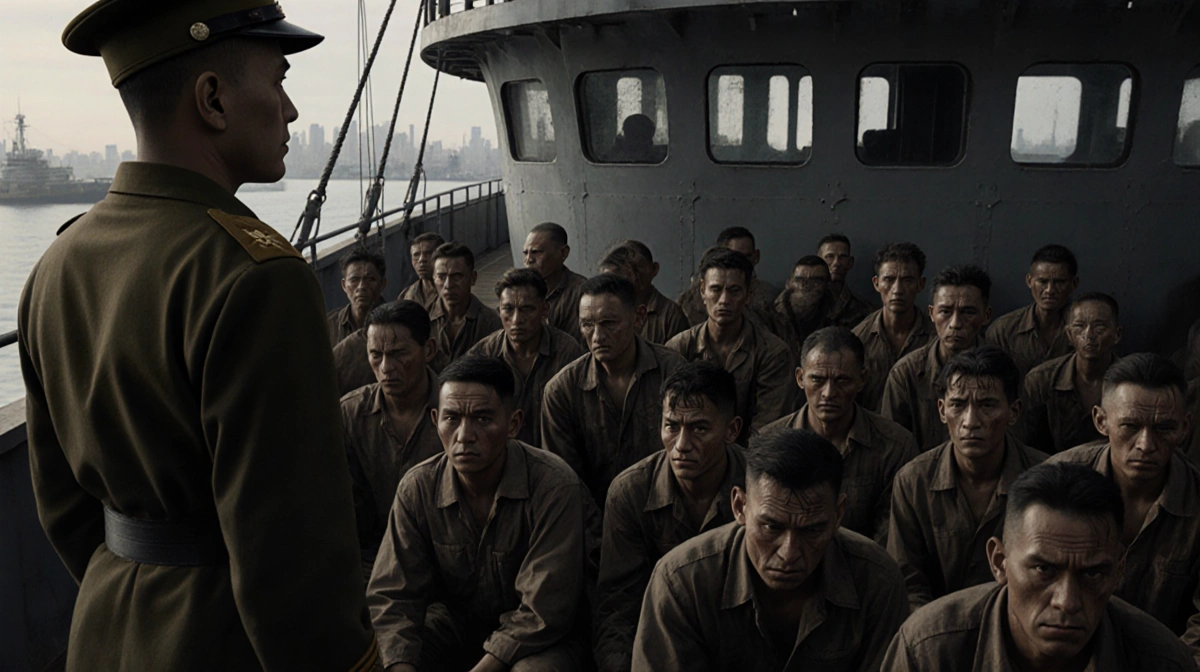
Roemer was assigned to the Chemical Warfare Service before his capture, agency officials said. He spent years as a prisoner of war, during which time newspaper clippings credit him with saving hundreds of lives while managing hospital services at Cabanatuan Prison.
His heroic efforts during captivity earned him two posthumous honors for his wife:
- The Legion of Merit
- The Bronze Star with V device
The Fatal Journey
The final months of Roemer’s life involved a harrowing sequence of prison ship transfers. In 1945, Japanese forces moved prisoners to Manila, intending to transport them to Japan aboard the Oryoku Maru.
The ship suffered a U.S. aircraft attack and sank, forcing survivors onto the Enoura Maru bound for Takao, Formosa – modern-day Taiwan. American forces struck this vessel as well, causing it to sink.
Roemer’s final transport came aboard the Brazil Maru, which carried him to Moji, Fukuoka Prefecture, Japan. He reportedly died of acute colitis on January 22, 1945, though Japanese government records indicate the death list from the Brazil Maru contains flaws.
Officials noted he could have died “at any point” during the prisoner transport between December 1944 and January 1945.
Discovery and Identification
Following the war, the American Graves Registration Command recovered more than 300 bodies from a mass grave discovered on a beach in Takao, Formosa. Despite efforts to identify the remains, they were declared unidentifiable and interred at the National Memorial Cemetery of the Pacific in Honolulu.
The breakthrough came decades later when scientists exhumed remains connected to the Enoura Maru between October 2022 and July 2023. Through meticulous analysis of dental and anthropological records, they successfully identified Roemer’s remains.
Honoring His Memory
Roemer’s name currently appears on the Walls of the Missing at the Manila American Cemetery and Memorial in the Philippines. The agency announced that officials will place a marker next to his name to indicate he has been accounted for.
The identification brings long-awaited closure to Roemer’s family and honors the memory of a soldier who exemplified courage under the most desperate circumstances. His story serves as a testament to the thousands of service members who remained missing for decades after World War II.
Key Takeaways:
- Lt. Col. Louis E. Roemer died aboard a Japanese prison ship in January 1945
- His remains were among hundreds buried as unknowns in Hawaii
- Modern forensic techniques finally identified him after 79 years
- His heroic actions at Cabanatuan Prison saved countless lives