

At a Glance
- Crew-11 astronauts undocked from the ISS at 5:20 p.m. ET Wednesday for an early return
- Splashdown off California expected at 3:41 a.m. ET Thursday
- This marks the first time in ISS history a mission was shortened due to a medical issue
- Why it matters: NASA prioritizes astronaut health, proving protocols can adapt mid-mission
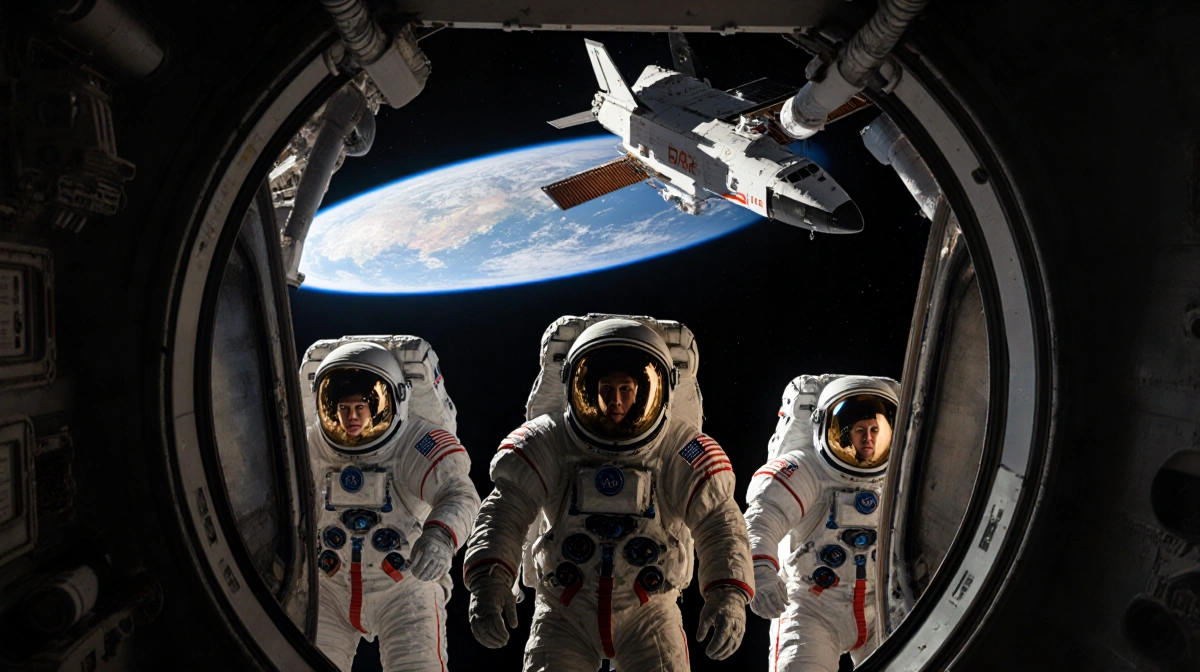
Astronauts Zena Cardman, Mike Fincke, Kimiya Yui, and Oleg Platonov left the International Space Station early Wednesday evening after NASA decided to cut their mission short because of an undisclosed medical problem. The crew is scheduled to splash down in the Pacific Ocean early Thursday morning.
The Departure
The SpaceX Dragon capsule, operational name Endeavour, undocked at 5:20 p.m. ET, beginning a nearly 11-hour journey back to Earth.
- First medical-related early return in ISS history
- Same capsule that ferried the crew to orbit
- Stable but private medical issue prompted decision
Controllers radioed: “Endeavour Crew, enjoy the ride home.”
Medical Issue Details
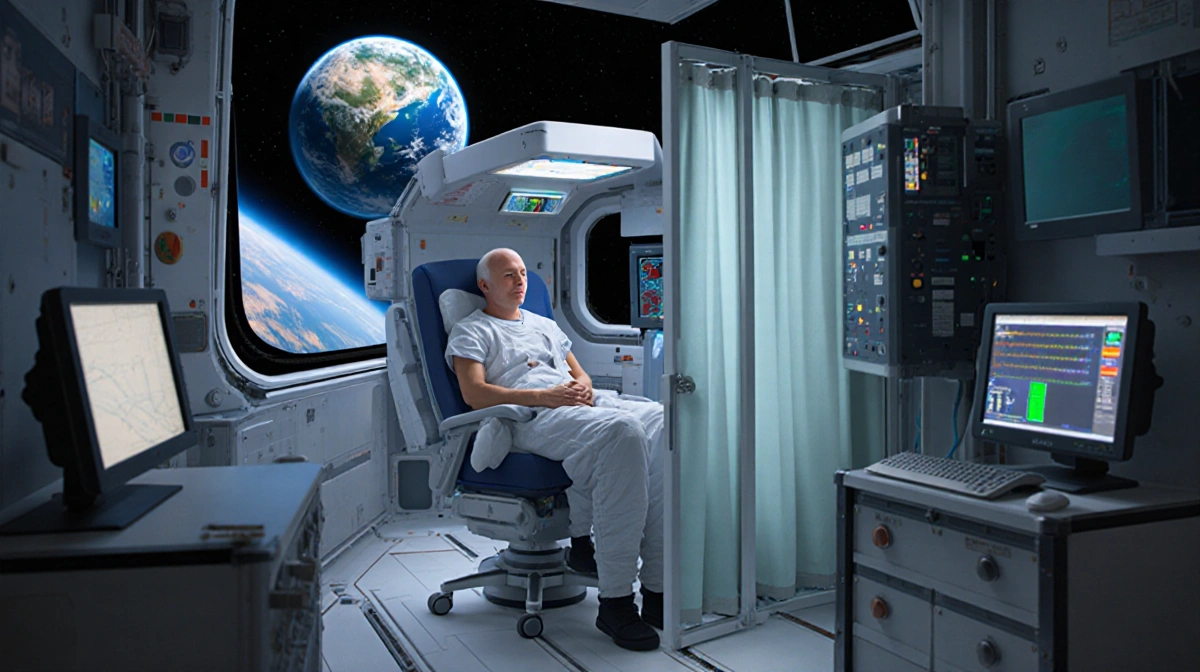
NASA has not identified the affected crew member or specified the condition, citing medical privacy. Officials emphasized the situation is stable and not an emergency evacuation.
Mike Fincke posted reassurance on LinkedIn:
“First and foremost, we are all OK. Everyone on board is stable, safe, and well cared for. This was a deliberate decision to allow the right medical evaluations to happen on the ground, where the full range of diagnostic capability exists. It’s the right call, even if it’s a bit bittersweet.”
Mission Timeline
| Event | Time (ET) |
|---|---|
| Undocking | 5:20 p.m. Wednesday |
| Deorbit burn | ~3:00 a.m. Thursday |
| Splashdown | 3:41 a.m. Thursday |
The crew arrived at the ISS in August and originally planned to stay through late February. NASA Administrator Jared Isaacman announced the early return after consulting Chief Health and Medical Officer Dr. JD Polk and agency leadership.
Next Steps
Crew-11 will land before Crew-12 launches, currently targeted for no earlier than February 15. NASA is evaluating whether to accelerate that launch.
Remaining onboard:
- Chris Williams (NASA)
- Two Russian cosmonauts
Williams will likely manage U.S. science operations solo for several weeks.
Change of Command
Ahead of departure, Fincke handed station command to cosmonaut Sergey Kud-Sverchkov.
Fincke said:
“Sergey, it’s an honor and a pleasure to be a commander, and I cannot imagine being happier than to hand over command to you.”
He called the early departure “interesting times,” adding:
“We’re from all over the planet, and we’re working together. It’s a great symbol of what human beings can do.”
Key Takeaways:
- NASA demonstrated rapid response to astronaut health concerns
- First medical-related early return in 25-year ISS history
- Future launch schedules may adjust to maintain crew presence