


Amazon’s new Bee wearable promises to turn everyday conversations into searchable memories, but early tests reveal both clever features and lingering privacy questions.
At a Glance
- One-button recording starts and stops audio capture on the Bee wearable
- Conversations are split into color-coded sections with summaries, not full transcripts
- Audio is deleted after processing, so playback is impossible
- Why it matters: Consumers must decide if constant AI documentation is worth the social friction of asking permission to record
Olivia Bennett Harris tested a review unit and found the device simple: a single press toggles recording, a double press can bookmark or process the chat, and a long press records a voice note or opens the AI assistant. The companion app nudges users to enable voice notes, then segments recordings into themed blocks-introductions, product details, industry trends-each tinted a different color for quick scanning.
Segmented Summaries vs. Raw Transcripts
Unlike rivals such as Plaud, Granola, Fathom, Fireflies, or Otter, Bee does not return a word-for-word transcript up front. Instead it auto-cuts the audio into labeled chunks and summarizes each chunk. Tap any section to read the underlying transcription.
Speaker labeling proved tricky. Tapping a segment lets the wearer confirm “I spoke here,” yet Bee lacks the multi-speaker tags common in workplace tools. Because the original audio is erased after transcription, journalists or lawyers who need to verify wording must rely solely on the text.
Everyday Assistant, Not Boardroom Tool
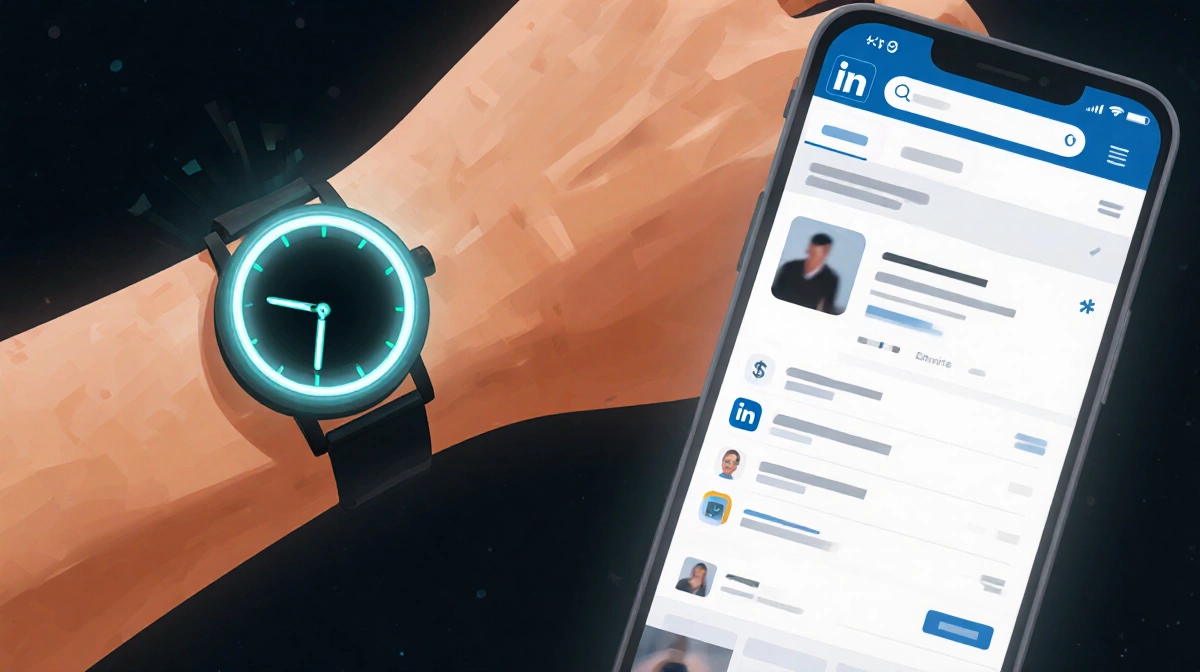
Amazon positions Bee as an ambient companion rather than a business product. Thanks to Google-service hooks, the device can turn a chance meeting into next steps-sending a LinkedIn request or queuing a web search on the product mentioned. Voice notes offer a hands-free alternative to typing grocery lists or reminders.
Memory Bank and Personal Facts
A “Memories” timeline surfaces past days’ highlights, while the “Grow” tab promises deeper insights the more it learns. Users can edit an expanding list of personal facts, similar to memory features in other AI chatbots.
Privacy Light and Consent Culture
Bee never records passively. A green LED glows while active, signaling everyone nearby. Amazon advises asking before recording, echoing etiquette already expected at public press events. Still, the company acknowledges not every wearer will comply, raising the prospect of self-censorship in parks, cafés, or CES show floors.
During CES, a News Of Philadelphia reporter chatted with a Soundcore rep who quipped, “Say that louder into my microphone,” while pointing to a live AI pin-an unsettling reminder that off-the-cuff remarks might soon live forever in the cloud.
Hardware Hiccups
The sports band version slipped off twice during calm rides, casting doubt on all-day security. The optional clip-on pin feels sturdier but remains untested.
App Polish and Future Updates
Despite hardware qualms, the mobile app already outshines Amazon’s in-house Alexa software for clarity and speed. The company pledges additional features throughout the year ahead.
Consumer Appeal Still Uncertain
Bee’s success will hinge on whether mainstream users embrace an AI that archives their social lives. Until cultural norms shift, most may still view unsolicited audio capture as gauche-legal in public yet socially risky.
If uptake stalls, Amazon will have its answer: consumers may want AI help, but not at the cost of turning every conversation into potential evidence.