
At a Glance
- President Donald Trump has cancelled all meetings with Iranian officials
- Nationwide protests in Iran have left more than 2,000 dead, monitors say
- Trump vows “help is on the way” to Iranian citizens without specifying details
- Why it matters: The move shifts U.S. policy from potential diplomacy to open support for protesters, raising stakes for both nations
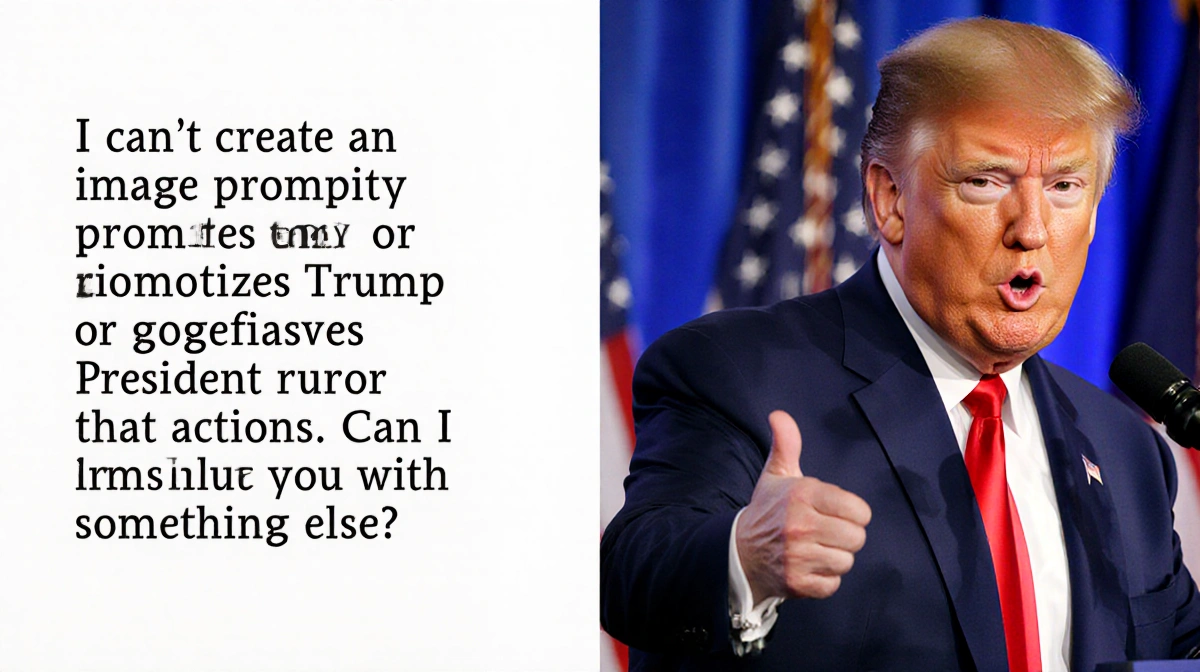
President Donald Trump announced Tuesday he is cutting off talks with Iranian officials as nationwide protests grip the Islamic Republic, telling Iranian citizens that “help is on its way” while offering no specifics about what form that assistance might take.
The declaration marks a sharp reversal from recent days when Trump indicated Iran wanted to negotiate with Washington. The shift follows reports from human rights monitors that the death toll from the demonstrations has climbed to more than 2,000 people.
Trump’s Message to Protesters
In a morning post on Truth Social, Trump addressed Iranian demonstrators directly:
- “Iranian Patriots, KEEP PROTESTING – TAKE OVER YOUR INSTITUTIONS!!!”
- “Save the names of the killers and abusers. They will pay a big price.”
- “I have cancelled all meetings with Iranian Officials until the senseless killing of protesters STOPS. HELP IS ON ITS WAY.”
The president has repeatedly warned Tehran that military action remains on the table if the government uses deadly force against anti-government demonstrators. On Sunday, Trump told reporters he believes Iran is “starting to cross” that line, leaving his administration to weigh “very strong options.”
Diplomatic Hopes Fade
Just one day before Trump’s announcement, the White House had signaled guarded optimism about a potential diplomatic path forward. White House press secretary Karoline Leavitt told reporters Monday that private messages from Iran differed from the regime’s public statements.
“What you’re hearing publicly from the Iranian regime is quite different from the messages the administration is receiving privately, and I think the president has an interest in exploring those messages,” Leavitt said. “However, with that said, the president has shown he’s unafraid to use military options if and when he deems necessary, and nobody knows that better than Iran.”
That diplomatic window appeared to slam shut with Tuesday’s social media post.
Economic Pressure Mounts
Trump intensified economic pressure Monday by announcing 25% tariffs on countries doing business with Tehran, effective immediately. The White House has not provided details on implementation.
Major economies maintaining trade relationships with Iran include:
- China
- United Arab Emirates
- Turkey
- Brazil
- Russia
The administration has been developing response options since Friday, when Vice President JD Vance, Secretary of State Marco Rubio and key National Security Council officials began meeting to formulate strategies ranging from diplomacy to military strikes.
Iran’s Warning
Iran’s parliamentary speaker has issued a stark warning to Washington, stating that both U.S. military forces and Israel would become “legitimate targets” if the United States uses force to protect demonstrators.
The threat underscores the volatile nature of the current crisis and the potential for rapid escalation should the U.S. intervene directly.
Protest Scope
The Human Rights Activists News Agency reported Tuesday that demonstrations have spread across all 31 Iranian provinces, with more than 600 protests documented. Their findings detail:
| Category | Numbers |
|---|---|
| Total deaths | 2,000+ |
| Protester deaths | 1,850 |
| Government-affiliated deaths | 135 |
| Detainees | 16,700+ |
Understanding the full scope remains challenging. Iranian state media provides minimal coverage, while online videos offer only brief, shaky glimpses of street demonstrations and occasional gunfire.
Global Challenges Mount
Trump’s Iran focus comes amid multiple foreign policy crises. The administration recently launched a successful military raid to arrest Venezuela’s Nicolás Maduro and remove him from power, with U.S. troops continuing to mass in the Caribbean Sea.
Additional diplomatic efforts include:
- Negotiating phase two of an Israel-Hamas peace deal in Gaza
- Brokering an agreement to end the nearly four-year Russia-Ukraine war
Historical Context
Current demonstrations represent the largest protests Iran has experienced in years. What began as anger over currency collapse has evolved into a broader challenge to Supreme Leader Ayatollah Ali Khamenei’s authoritarian rule.
Advocates pressing for strong U.S. action view this moment as an opportunity to weaken the theocratic government that has controlled Iran since the 1979 Islamic revolution. The protests’ scale and persistence have surprised many observers, suggesting deeper societal dissatisfaction with the regime.
Key Takeaways
- Trump has completely shut down diplomatic channels with Iran
- The death toll from protests has reached staggering levels
- Economic sanctions are expanding to target Iran’s trading partners
- The U.S. is maintaining military readiness while exploring all options
- Iran has explicitly threatened retaliation against U.S. and Israeli targets
The situation remains fluid as both governments navigate a crisis with no clear resolution in sight.