

At a Glance
- 70% of U.S. patients now live five-plus years after diagnosis
- 4.8 million deaths avoided since 1991 thanks to better treatments
- Why it matters: More cancers are becoming manageable chronic conditions, changing how patients plan life after diagnosis
A milestone decades in the making has arrived: seven out of ten Americans diagnosed with cancer now survive at least five years, the American Cancer Society’s latest annual report shows. The figure, drawn from 2015-2021 cases, marks a dramatic jump from the 50% rate of the 1970s and the 63% rate of the mid-1990s.
Survival Gains by the Numbers
Five-year survival has become the gold standard for measuring progress; once that milestone passes, the risk of many cancers returning drops sharply. The new data show:
- 4.8 million deaths averted between 1991 and 2023
- Myeloma survival doubled, climbing to 62% from 32% in the mid-1990s
- Regional lung cancer survival rose to 37% from 20% over the same span
Rebecca Siegel, the Society’s senior scientific director of surveillance research and the report’s lead author, credits steady investment. “It takes decades for research to understand and develop these more effective treatments, and now we’re seeing the fruits of those investments,” she said.
The Treatments Changing the Game
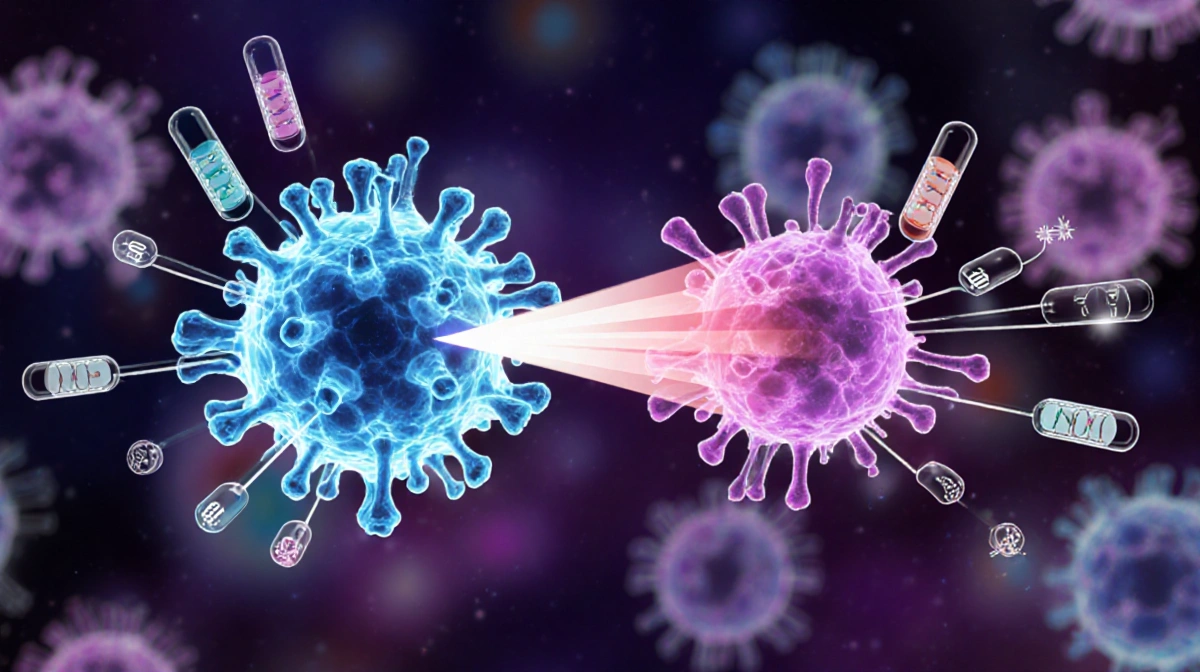
Two advances dominate the progress:
- Immunotherapy – drugs that train the immune system to spot and destroy cancer cells
- Targeted therapy – medicines that attack specific genes or proteins feeding tumors
Immunotherapy has proved “game changing” for myeloma, a blood cancer that affects Black Americans at twice the rate of white Americans. Targeted agents, meanwhile, spare healthy tissue, allowing patients to stay on therapy longer with fewer side effects.
Dr. Christopher Flowers, head of cancer medicine at MD Anderson Cancer Center in Houston, said the less-toxic regimens “allow more sequences of therapy,” translating directly into longer life.
Where Progress Lags
Not every trend is positive. Doctors warn that obesity-driven cancers threaten to blunt gains. Colorectal cancer is rising in adults under 50, and overall breast cancer incidence is inching up among women. Obesity is a known driver for both diseases.
Dr. Clark Gamblin, gastrointestinal surgeon at Huntsman Cancer Institute, put it bluntly: “Our country has an epidemic of obesity, and cancers follow that. So we’re not winning on every front.”
Headwinds Ahead
The report flags fresh threats to future advances:
- A 31% drop in cancer-research grant funding in early 2025 compared with the same months in 2024, according to a Senate HELP Committee Democratic analysis
- The scheduled expiration of Affordable Care Act insurance subsidies, jeopardizing drug access for Native American and Black communities already bearing disproportionate cancer burdens
- Covid-era screening disruptions that may still yield later-stage diagnoses
“The screening for asymptomatic cancer largely stopped during that time period, and I don’t know that we’ve seen the tail of that yet,” Gamblin noted.
This Year’s Projected Toll
Despite the upbeat survival news, cancer remains the nation’s second-leading cause of death. The Society projects:
- 2.1 million new diagnoses in 2025
- 626,000 deaths
Prostate cancer, among the most common types, remains highly curable when caught early, underscoring the importance of continued screening and access to care.
Key Takeaways
- Survival is improving fastest where immunotherapy and targeted drugs have made inroads
- Obesity and insurance gaps pose real threats to the next wave of progress
- Research funding cuts could stall the pipeline of life-extending therapies already underway
Bottom line: More Americans than ever are living longer after a cancer diagnosis, but sustaining that momentum depends on tackling lifestyle risks and protecting the research enterprise that got the nation to 70%.