At a Glance
- Anthropic unveiled Claude for Healthcare, a suite of tools for providers, payers, and patients
- The platform connects to CMS, ICD-10, NPI, and PubMed databases to streamline administrative tasks
- 230 million people discuss health with ChatGPT weekly, showing massive demand for AI medical tools
- Why it matters: Doctors spend more time on paperwork than patients, and automation could reclaim those hours
Anthropic has entered the healthcare AI race, announcing Claude for Healthcare just days after OpenAI revealed ChatGPT Health. The new offering targets clinicians, insurers, and consumers with specialized connectors that pull live data from key medical databases.
Faster Prior Authorizations
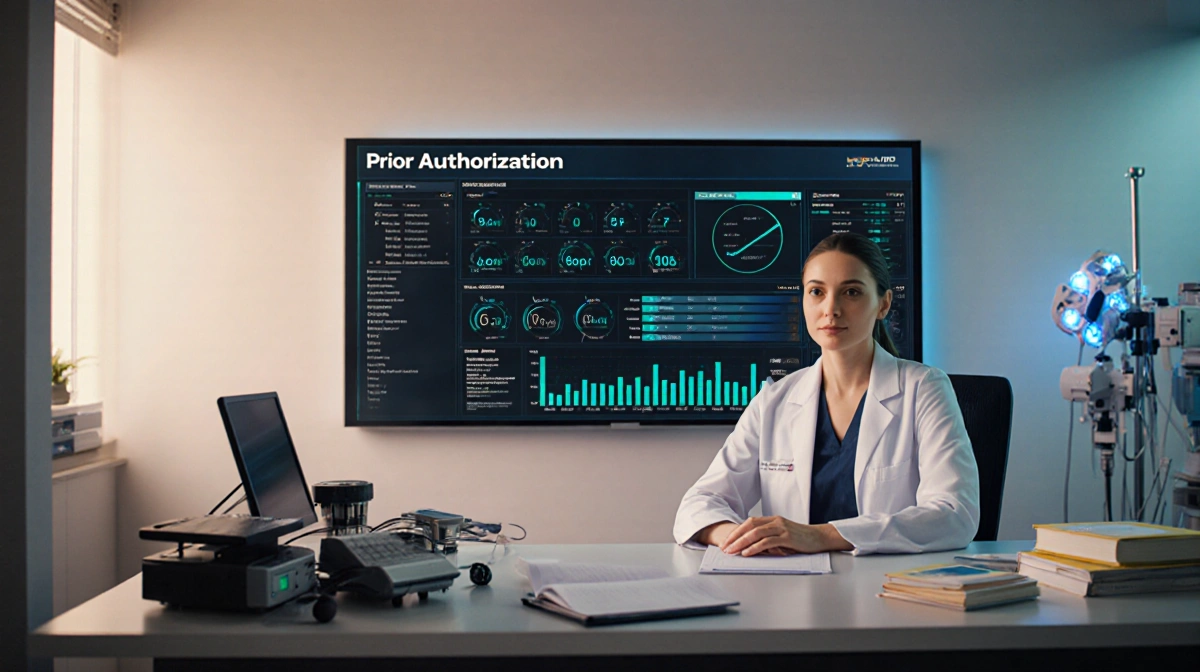
Claude for Healthcare’s headline feature is its ability to accelerate prior authorization reviews. The AI taps directly into:
- Centers for Medicare & Medicaid Services (CMS) Coverage Database
- ICD-10 code set
- National Provider Identifier Standard
- PubMed research archive
By cross-referencing these sources, the system can auto-populate forms and flag missing documentation, cutting the back-and-forth between doctors and insurers.
Patient Data Sync Without Training Risk
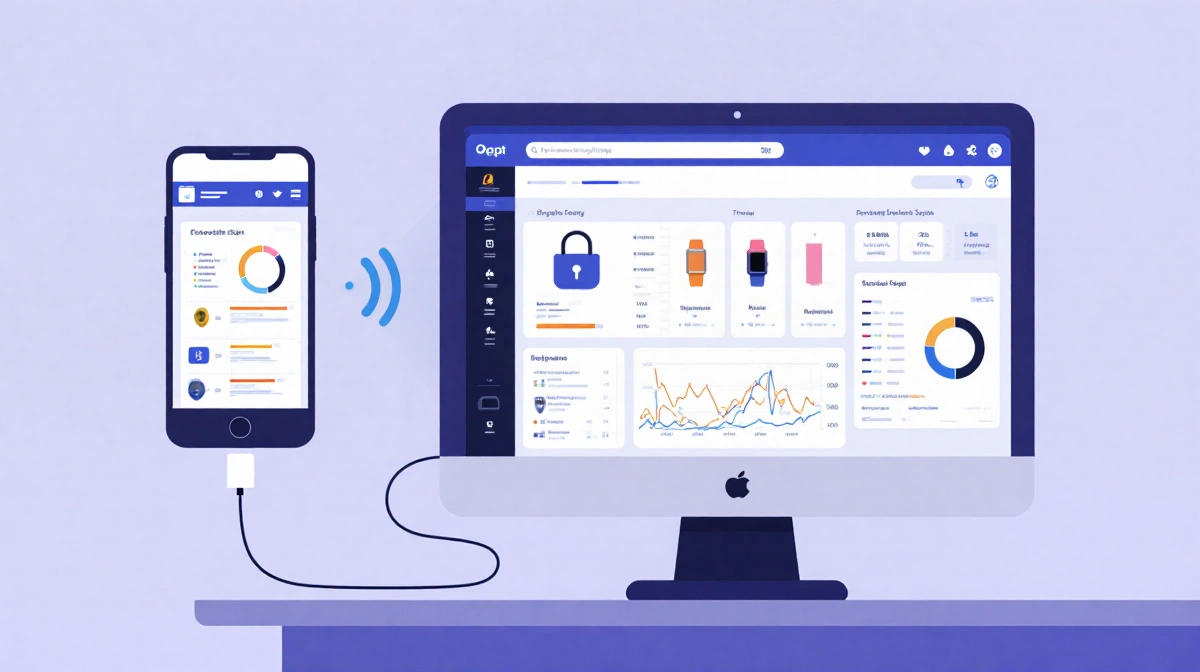
Users can sync health metrics from phones, smartwatches, and other platforms. Both Anthropic and OpenAI state that no user data feeds model training, addressing a top privacy concern. The approach mirrors ChatGPT Health’s promise, yet Anthropic positions its product as the more provider-centric option.
Clinician-First Design
Anthropic CPO Mike Krieger emphasized the administrative burden during the product presentation:
“Clinicians often report spending more time on documentation and paperwork than actually seeing patients.”
The company argues that prior authorizations are pure paperwork-tasks that don’t require medical judgment-making them ideal for automation while keeping doctors in control of clinical decisions.
Hallucination Worries Persist
Industry professionals remain cautious about large language models giving medical advice, given their tendency to hallucinate. Anthropic’s answer is to keep Claude in an assistive role: drafting documents, summarizing coverage rules, and surfacing relevant studies, while stopping short of final clinical decisions.
Massive Consumer Demand
OpenAI reports that 230 million people already discuss health topics with ChatGPT every week. Anthropic is betting that a purpose-built, data-connected version will prove even more valuable to both patients and the professionals who treat them.
Key Takeaways
- Claude for Healthcare connects to live medical databases, not static knowledge
- Prior authorization automation targets one of doctors’ biggest time sinks
- User health data is excluded from model training cycles
- The launch intensifies competition with OpenAI’s ChatGPT Health rollout
- Both companies still advise users to consult healthcare professionals for personalized guidance