

At a Glance
- The National Portrait Gallery has removed all mentions of Donald Trump’s two impeachments from his exhibit label
- Only Trump’s display lacks extended biographical text among all presidents
- References to other impeached presidents (Andrew Johnson, Bill Clinton) remain intact
- Why it matters: The change signals how the Trump administration is reshaping historical narratives in federal institutions
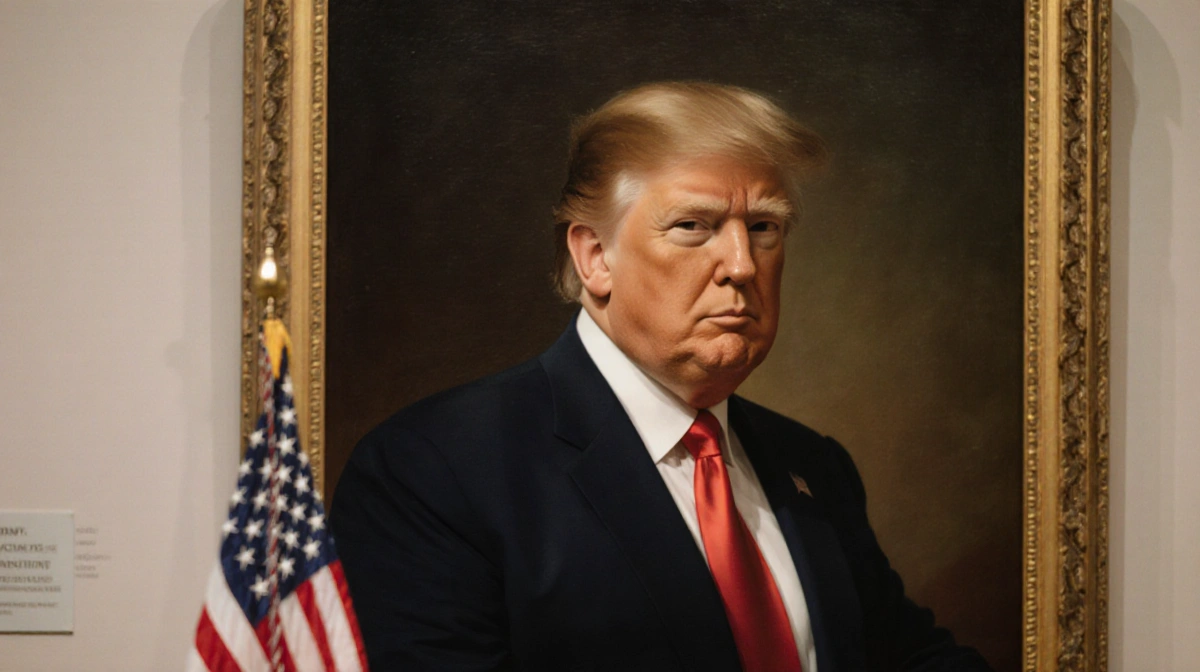
The Smithsonian’s National Portrait Gallery has quietly erased references to President Donald Trump’s historic double impeachment from his exhibit display, making him the only president without detailed biographical context alongside his portrait.
The change, discovered during a recent visit, represents the latest move in what appears to be a systematic effort to reshape how federal institutions present American history under Trump’s direction.
The Missing Text
Previously, Trump’s display included a comprehensive portrait label that acknowledged both his Supreme Court appointments and COVID-19 vaccine development efforts. The text explicitly stated: “Impeached twice, on charges of abuse of power and incitement of insurrection after supporters attacked the U.S. Capitol on January 6, 2021, he was acquitted by the Senate in both trials.”
That entire section has vanished. In its place sits only a photograph by White House photographer Daniel Torok showing Trump leaning over his Oval Office desk with a furrowed brow. Medallions identify him as both the 45th and 47th president, but no explanatory text accompanies the image.
The gallery now displays two different photographs of Trump, rotating them periodically. The original comprehensive label remains available online, creating a disconnect between the physical and digital presentations.
Presidential Comparison
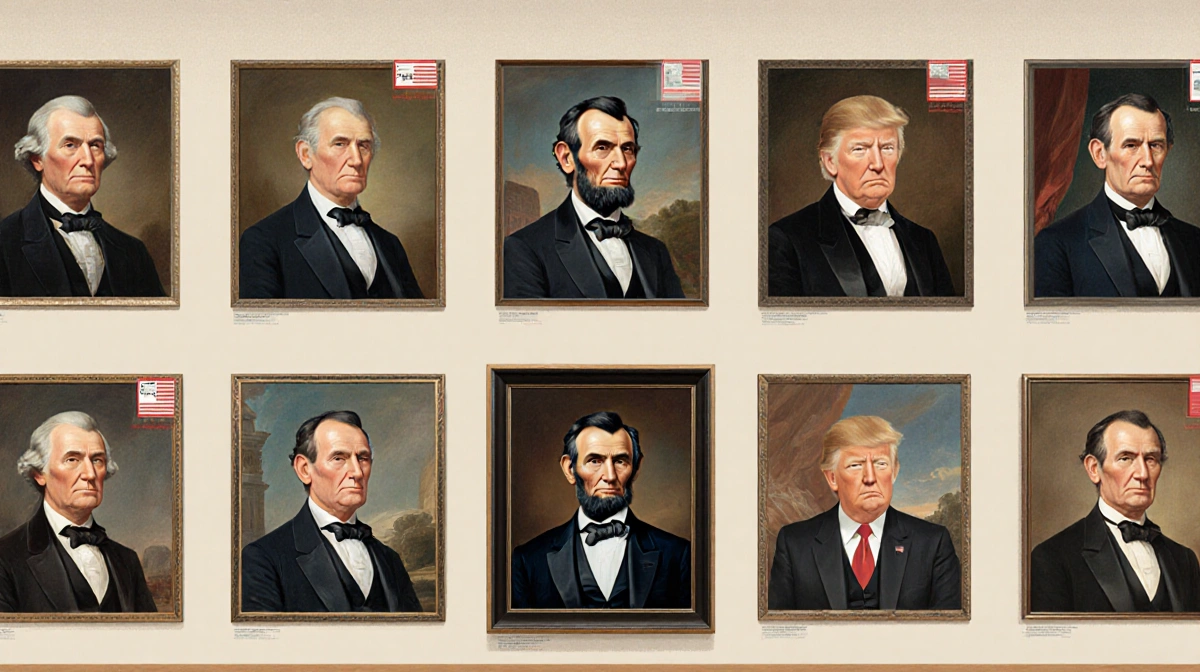
While Trump’s impeachment references disappeared, the museum maintains complete historical context for other presidents who faced constitutional crises:
- Andrew Johnson (1868 impeachment) – detailed explanation remains
- Bill Clinton (1998 impeachment) – full context preserved
- Richard Nixon (1974 resignation) – Watergate scandal explained
This selective editing makes Trump’s exhibit unique among presidential displays in the gallery’s “America’s Presidents” exhibition.
Administration Response
White House spokesman Davis Ingle celebrated the new photograph, claiming it ensures Trump’s “unmatched aura … will be felt throughout the halls of the National Portrait Gallery.” However, Ingle declined to answer whether Trump or his representatives requested the text removal.
The White House also refused to confirm whether it initiated the changes, though last August Trump ordered Smithsonian officials to review all exhibits before July 4, 2026 – the nation’s 250th anniversary. The administration stated this review would “ensure alignment with the president’s directive to celebrate American exceptionalism, remove divisive or partisan narratives, and restore confidence in our shared cultural institutions.”
Broader Institutional Changes
The portrait gallery controversy represents just one piece of a larger campaign to reshape historical narratives. Trump previously fired the National Archives head and attempted to remove National Portrait Gallery director Kim Sajet, who eventually resigned despite maintaining Smithsonian governing board support.
These moves follow Trump’s longstanding criticism of how museums, particularly the Smithsonian, have presented chattel slavery’s role in American development. The administration has explicitly stated its intention to alter how Trump and his political rivals appear in official historical presentations.
The Presidential Walk of Fame
Separate from the Smithsonian changes, Trump has created a highly partisan “Presidential Walk of Fame” at the White House featuring gilded photographs and self-written descriptions. His administration confirmed Trump personally authored the plaques, which praise his own presidency while describing Joe Biden as “by far, the worst President in American History” who “brought our Nation to the brink of destruction.”
Biden’s representation in this display consists merely of an autopen photograph, further emphasizing the subjective nature of this historical presentation.
Smithsonian’s Defense
The gallery maintains that changes are part of “planned updates” to the America’s Presidents gallery, with a “larger refresh” scheduled for spring. The institution is exploring “quotes or tombstone labels” that provide minimal information, such as artist names, rather than comprehensive historical context.
However, the timing and selective nature of the Trump changes – occurring during an administration explicitly seeking to remove “divisive or partisan narratives” – raises questions about whether these curatorial decisions are driven by historical scholarship or political pressure.
The gallery statement insists that “the history of Presidential impeachments continues to be represented in our museums, including the National Museum of American History,” though the specific context and prominence of these presentations remains unclear.
Historical Context Preserved Elsewhere
While Trump’s specific impeachment references disappeared from his portrait label, the Smithsonian has not removed impeachment history entirely from its institutions. The National Museum of American History maintains some documentation of presidential impeachments, though the level of detail and visitor exposure likely differs significantly from the prominent presidential gallery display.
This selective preservation – maintaining impeachment context for Johnson and Clinton while removing it for Trump – creates an inconsistent historical record that could confuse visitors about the full scope of presidential controversies.
The changes at one of America’s most visited museums signal how the current administration is leveraging federal institutions to shape public understanding of recent history, potentially influencing how future generations interpret the Trump presidency and its constitutional crises.