
At a Glance
- Federal regulators have implemented only 5 of 81 safety recommendations since 2015.
- Track defects and human error caused 3,000+ accidents, 23 deaths, 1,200 injuries in the last decade.
- Industry lobbying has cut track inspections and fatigue protections.
- Why it matters: Your town’s next chemical-carrying train may run on tracks inspected less often and crews working while exhausted.
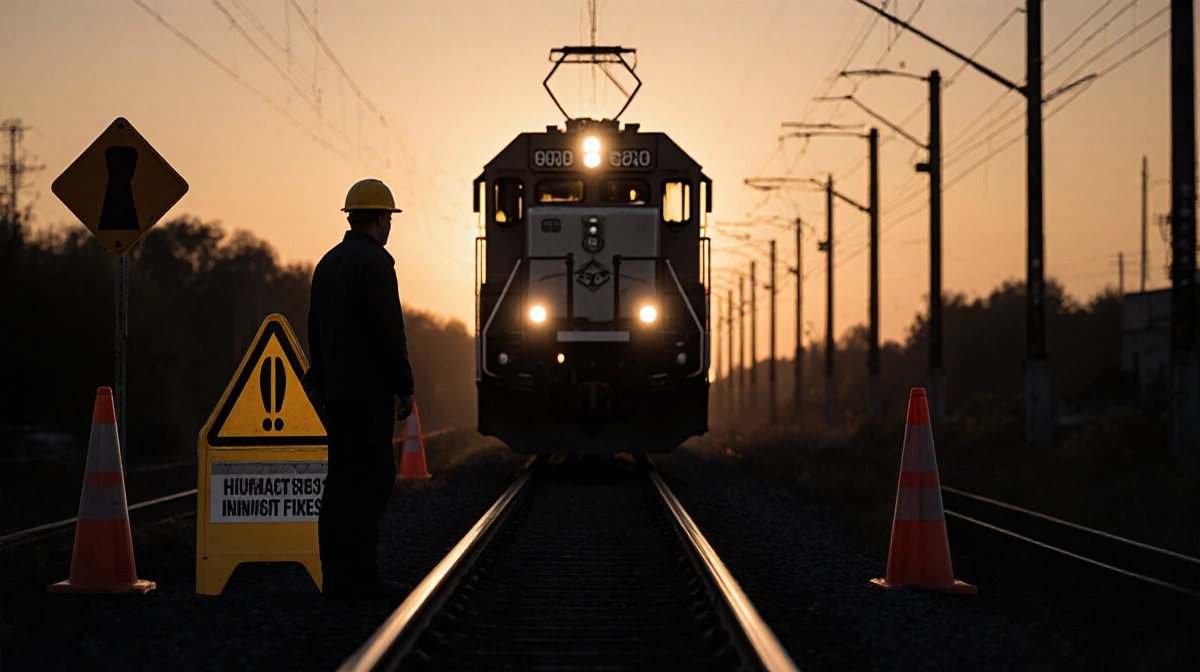
A decade of federal inaction on rail-safety advice has left worn-down track and exhausted crews in charge of trains that move toxic chemicals through thousands of U.S. communities, a News Of Philadelphia investigation based on Howard Center for Investigative Journalism data shows.
Human mistakes and track defects triggered more than 3,000 accidents from 2015-2024, killing 23 people and injuring nearly 1,200, yet the Federal Railroad Administration (FRA) has fully adopted only five of the National Transportation Safety Board’s 81 recommendations during that span-the worst implementation rate of any Transportation Department agency.
Deadly Track Defects Ignored
On Sept. 25, 2021, Amtrak’s Empire Builder derailed at Joplin, Montana, hurling Zach Schneider, Margie Varnadoe and Don Varnadoe to their deaths and injuring 49 passengers. The NTSB blamed BNSF Railway’s worn rail and an inspector who, facing a 127-mile, 16-hour workload, missed the defects.
The board had already urged the FRA-without success-to set limits on rail wear after a 1980 Kentucky derailment of a vinyl-chloride train that forced 6,500 evacuations. Forty-five years later, no federal wear standard exists. In that period track defects have caused:
- 15,000 main-line accidents
- 44 deaths
- 2,300 injuries
BNSF said it inspects “in excess of federal requirements.” The FRA pledged in August 2023 to “consider all recommendations” but, as of Dec. 18, had issued no new rail-wear rule.
Automation Cuts Human Eyes on Track
The Association of American Railroads (AAR), representing major freight carriers, asked the Trump administration to cut weekly visual inspections in half and rely more on automated systems. On Dec. 5 the FRA granted a waiver that lets railroads do exactly that if they meet added reporting steps.
NTSB Chair Jennifer Homendy warns automation should supplement, not replace, walking inspections. Norfolk Southern inspector Lance Marston says automated cars miss over two-thirds of rail issues humans catch, including broken rails.
Christie Lee, a 20-year BNSF track inspector, now covers 90+ miles with one partner-territory three inspectors once handled. “There’s just no replacement for getting out there and putting boots on the ground,” Marston said.
Fatigue Rules Delayed 15 Years
On June 28, 2004, a Union Pacific engineer operating on <2 hours of sleep ran a signal and slammed into a BNSF train in Macdona, Texas. A punctured chlorine car released 9,000 gallons of gas, killing the conductor and two residents and sickening 30 others.
The NTSB urged the FRA in 2006 to regulate crew scheduling. Congress ordered fatigue-management plans in 2008; the FRA finished approving them only this year-15 years later. At least nine people have died and 300 have been injured in fatigue-linked accidents since 2015, the analysis shows.
Rail unions say punitive attendance policies still deter crews from taking rest. “They just want bodies on the trains,” former NTSB investigator Rick Narvell said.
Positive Train Control: 50-Year Fight
The NTSB first recommended automatic train-stopping technology in 1970. After a string of fatal crashes in the early 2000s, Congress set a 2015 deadline. Railroad lobbying pushed compliance to 2020, during which 154 preventable accidents killed 300 and injured 6,800, an internal NTSB tally shows.
Industry Wish List for Looser Rules
This spring the AAR submitted 80 regulations it wants modified or repealed, including:
- Dropping the two-person crew minimum
- Easing fatigue-management paperwork
- Cutting track-inspection frequency
The trade group calls the moves “consistent with railroad safety.” BNSF, Norfolk Southern and Union Pacific all stated they are “committed to safety” and did not dispute any findings.
Key Takeaways
- Federal regulators have left most NTSB safety ideas on paper for nearly a decade.
- Track-defect accidents alone have killed 44 and injured 2,300 since the 1980s.
- New FRA waivers let railroads halve human track inspections.
- Crew fatigue rules took 15 years to finish; industry now seeks to relax them further.
The result: trains carrying hazardous cargo roll through U.S. towns on less-inspected track, operated by crews working under looser fatigue protections than safety officials have sought for decades.