

At a Glance
- A traveler with measles rode Amtrak Northeast Regional 175 on January 7, 2026.
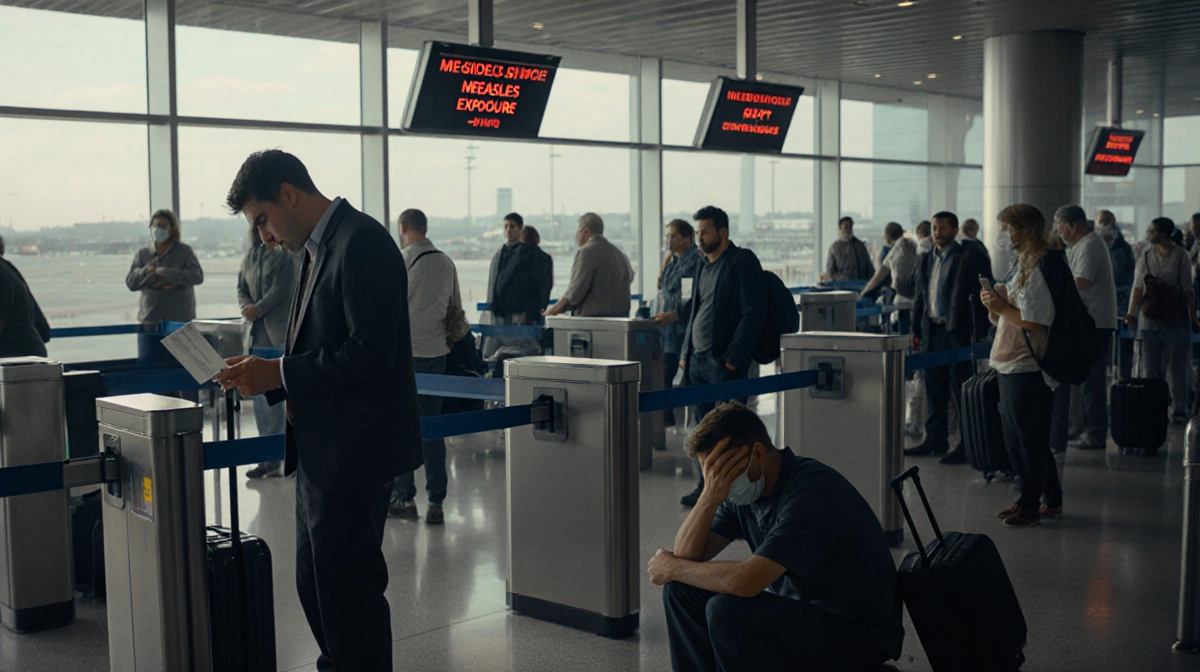
- Exposure sites include Philadelphia International Airport Terminal A East, 30th Street Station, and the southbound train.
- Anyone unvaccinated or unsure of immunity should monitor for fever, cough, runny nose, and rash.
- Why it matters: Measles can linger in air for up to two hours and cause severe complications.
Health officials are notifying riders of a confirmed measles exposure along a popular Northeast Corridor route. The infected individual traveled through Philadelphia on Wednesday, January 7, 2026, prompting warnings for three specific locations.
Exposure Locations and Times
Passengers who visited the following places during the listed windows may have been exposed:
- Philadelphia International Airport, Terminal A East – 7 p.m. to 11 p.m.
- 30th Street Station – 8:15 p.m. to 11:25 p.m.
- Amtrak Northeast Regional Train 175 southbound – from the 9:23 p.m. Philadelphia departure through 11:30 p.m.
The train made scheduled stops between Boston South Station and Washington Union Station, meaning riders boarding or exiting anywhere along that route could be at risk.
What Travelers Should Do Now
According to News Of Philadelphia, Health Commissioner Dr. Palak Raval-Nelson emphasized that the general public faces no ongoing threat. Still, anyone present during the exposure windows should verify their immunity.
People born before 1957, those who previously had measles, or individuals who received two doses of the MMR vaccine are considered protected. Anyone unsure of their status should contact a healthcare provider.
Unvaccinated or under-vaccinated travelers can develop measles up to 21 days after exposure. Early symptoms include:
- Fever
- Runny nose
- Cough
- Red, puffy eyes
- Rash that typically starts on the face and spreads downward
In some cases, the virus can lead to pneumonia, brain infection, or death.
How Measles Spreads
The virus is highly contagious and spreads through respiratory droplets when an infected person coughs, sneezes, or talks. It can remain suspended in air for as long as two hours after the contagious individual leaves the area.
Because of this airborne persistence, health officials warn that simply walking through the same terminal or train car hours later could still pose a risk to the unprotected.
Global Context Behind the Case
Dr. Raval-Nelson noted that many international destinations are experiencing measles outbreaks, increasing the likelihood of travel-related cases in the United States. She urged parents to ensure children receive routine vaccinations on schedule and recommended that anyone planning overseas travel consult a doctor about necessary immunizations.
Where to Find Updates
The Philadelphia Department of Public Health will post additional exposure details at phila.gov/measles as needed. General measles information is available on the CDC website.
Key Takeaways
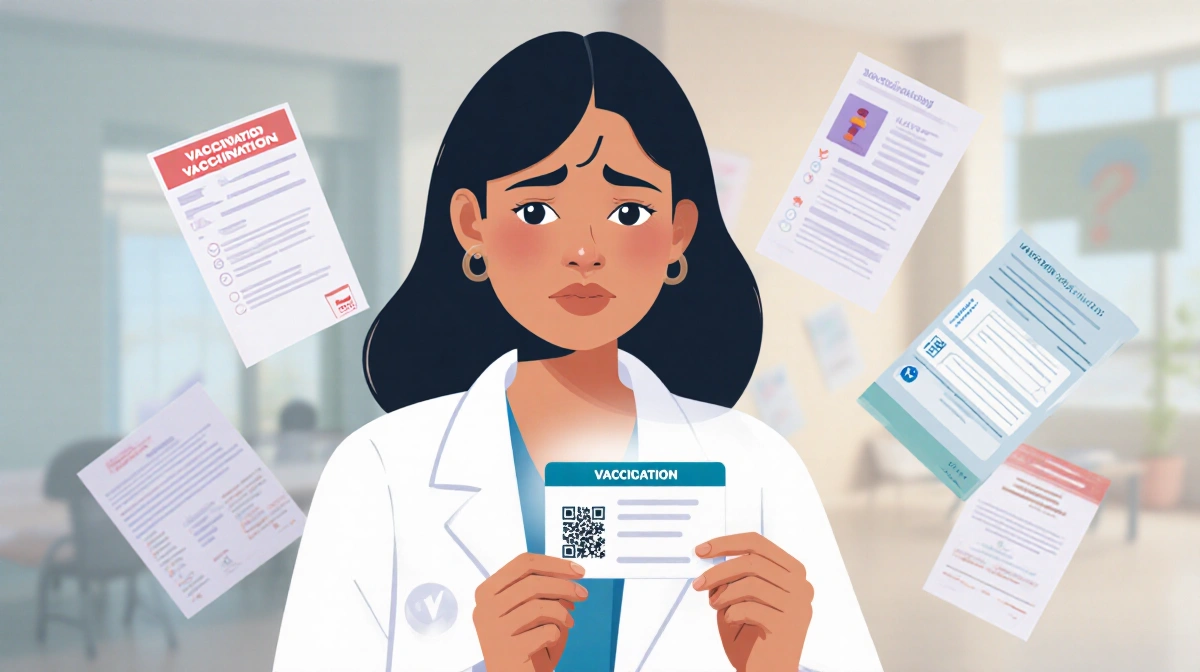
- Travelers on Amtrak 175 and visitors to the airport terminal or 30th Street Station on January 7, 2026, should check their vaccination records.
- Measles immunity can be confirmed through medical records or a blood test.
- Early medical care is critical if symptoms appear; call ahead to prevent spreading the virus in waiting rooms.
- Maintaining high community vaccination rates remains the most effective way to prevent outbreaks.