
> At a Glance
> – U.S. forces struck 35+ ISIS targets in Syria Saturday with 90+ precision bombs
> – Operation Hawkeye Strike ordered by President Trump after Dec. 13 ambush killed 2 Americans
> – Over 20 aircraft used in largest anti-ISIS action since December
> – Why it matters: Signals renewed U.S. offensive against Islamic State remnants
American warplanes lit up eastern Syria Saturday as the Pentagon unleashed its biggest wave of strikes on ISIS since December, retaliating for a deadly ambush that claimed two U.S. lives and injured three others.
The Retaliation Begins
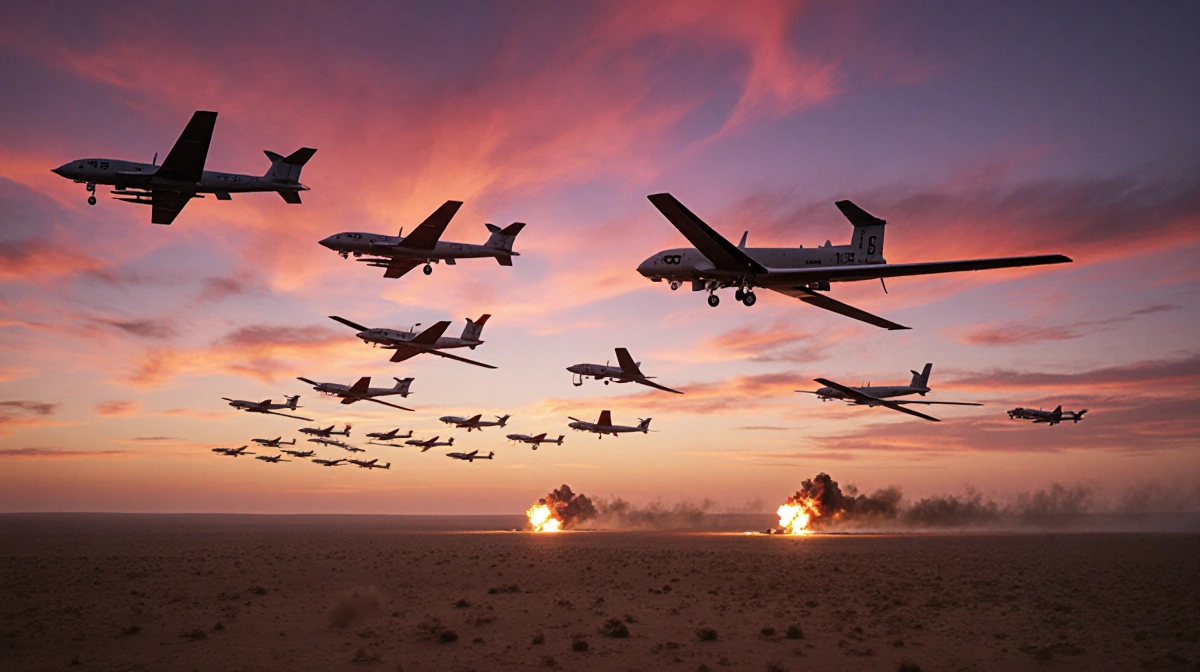
Central Command says the assault began at 12:30 p.m. ET, hammering more than 35 Islamic State positions with over 90 precision-guided weapons. Captain Tim Hawkins told News Of Philadelphia the operation involved “more than 20 aircraft” in a coordinated daylight blitz.
Defense Secretary Pete Hegseth posted a stark warning on social media:
> “We will never forget, and never relent.”
Why Now
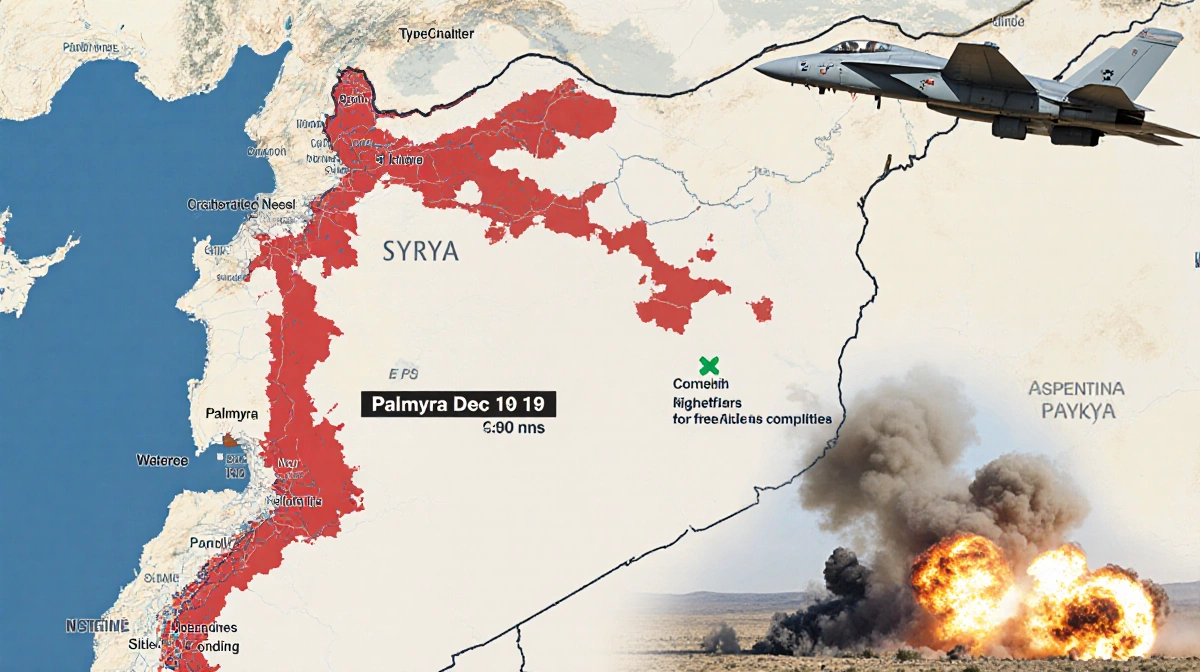
The strikes are the first major move since President Trump green-lit Operation Hawkeye Strike on Dec. 19, vowing “very serious retaliation” after ISIS fighters ambushed a U.S. patrol near Palmyra on Dec. 13. That attack killed:
- Two American soldiers
- One civilian interpreter
- Wounded three additional personnel
| Strike Details | Numbers |
|---|---|
| Targets hit | 35+ |
| Munitions used | 90+ |
| Aircraft involved | 20+ |
Message Sent
CENTCOM’s statement left no room for doubt:
> “If you harm our warfighters, we will find you and kill you anywhere in the world.”
Officials stress the campaign is not “the beginning of a war” but a declaration of vengeance aimed at preventing future attacks on American and partner forces.
Key Takeaways
- Largest U.S. anti-ISIS action in Syria since December
- Direct response to ambush that killed two Americans
- Operation expected to continue for weeks
- Trump administration signals zero-tolerance stance on attacks
The strikes mark a sharp escalation in America’s campaign against Islamic State holdouts as the group attempts to regroup across Syria’s vast desert regions.