
> At a Glance
> – President Trump declared U.S. authority over the Western Hemisphere after Nicolás Maduro’s capture
> – Secretary Rubio says the move aims to block adversaries from using the region
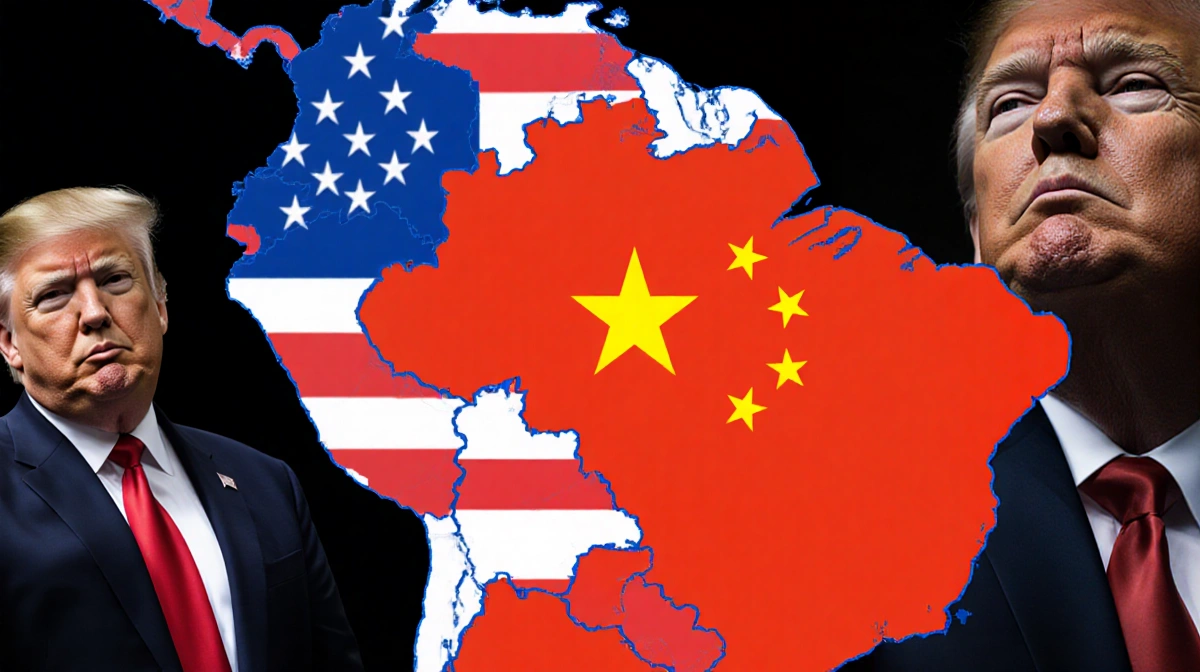
> – Why it matters: Washington is pressuring Latin America to choose sides between U.S. and Chinese influence
President Trump has asserted U.S. dominance over the Western Hemisphere following the surprise capture of Venezuelan leader Nicolás Maduro, while openly warning China to curb its regional presence.
The Power Play
Trump administration officials frame the Venezuela operation as a necessary step to counter Beijing’s growing economic reach. Secretary of State Marco Rubio told NBC News:
> “We’re not going to allow the Western Hemisphere to be a base of operation for adversaries, competitors and rivals of the United States.”
Despite Washington’s demand that Caracas cut economic ties with Beijing, Energy Secretary Chris Wright told Fox News that Venezuelan oil will still flow to China:
> “We’re not going to cut off China.”
China buys the majority of Venezuela’s crude exports, yet these shipments account for only a single-digit share of Beijing’s total oil imports.
China’s Measured Response
Beijing has condemned the U.S. strike and vowed to protect its interests. Foreign ministry spokesperson Mao Ning said:
> “The legitimate rights and interests of China and other countries in Venezuela must be protected.”
Venezuela’s interim leader Delcy Rodríguez met Chinese Ambassador Lan Hu and praised Beijing’s stance:
> “We value China’s firm and consistent stance in strongly condemning the serious violation of international law and Venezuelan sovereignty.”
China lacks security commitments to Venezuela and offered only rhetorical support as U.S. forces mobilized.
Regional Divide
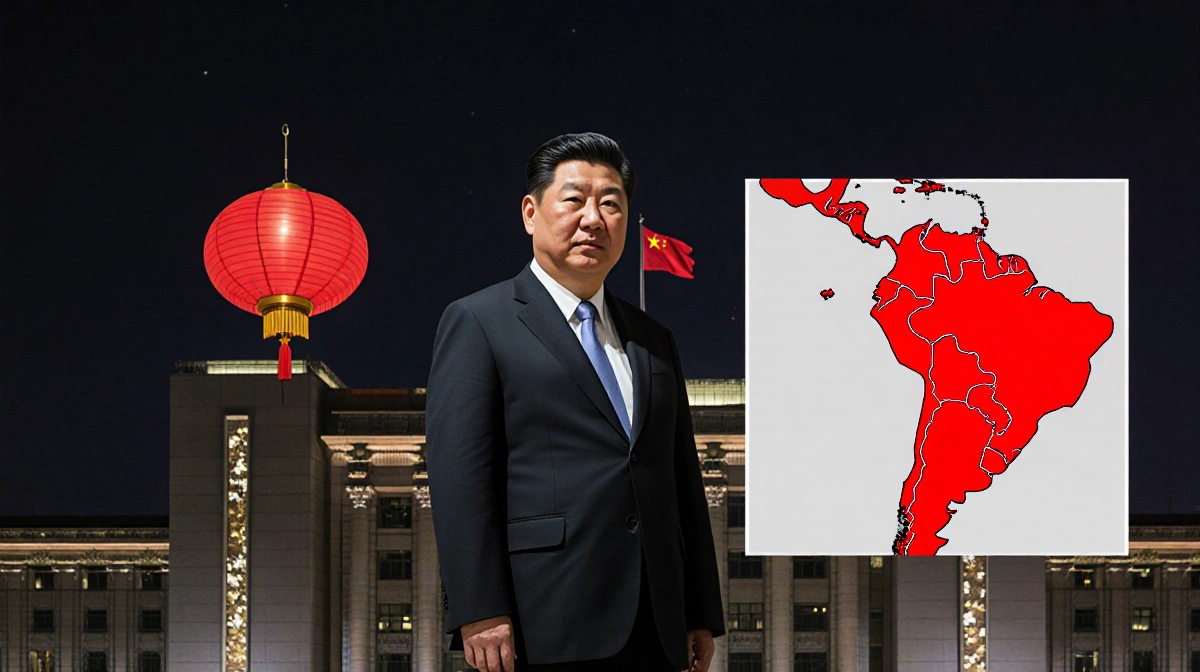
Latin American reactions split along ideological lines:
- Backing the U.S.: Argentina’s Javier Milei, Ecuador’s Daniel Noboa
- Opposing the action: Mexico’s Claudia Sheinbaum, Brazil’s Luiz Inácio Lula da Silva
The White House’s new national security strategy pledges to “deny non-Hemispheric competitors” control of strategic assets, targeting Chinese infrastructure like Peru’s Chancay port that opened in 2024.
Economic Footprint Remains
Chinese brands dominate daily life across the region:
- Smartphones from Xiaomi and Huawei
- Electric vehicles from BYD and other Chinese automakers
Professor Bárbara Fernández Melleda noted:
> “I’m not sure they would want to be part of a conflict that, from the outside, doesn’t seem to involve them.”
Panama withdrew from China’s Belt and Road program, and CK Hutchison agreed to sell its Panama Canal ports to a BlackRock-led consortium. Mexico approved tariffs up to 50% on Chinese imports.
Key Takeaways
- U.S. claims hemisphere-wide authority after Maduro’s capture
- China vows to protect its economic interests in Venezuela
- Latin America balances ties with both powers rather than choosing sides
- Everyday Chinese products remain embedded across the region
Trump says U.S. oil companies are ready to invest $100 billion to revive Venezuela’s industry, signaling long-term American commitment.