
> At a Glance
> – CES 2026 spotlighted “physical AI” and robotics instead of chatbots
> – Boston Dynamics’ redesigned Atlas humanoid robot headlined the show
> – Gadgets ranged from drone-catching net guns to AI-powered ice makers
> – Why it matters: Manufacturers say AI is ready for real-world, hands-on tasks
The tech industry’s biggest annual showcase in Las Vegas just proved that artificial intelligence is no longer confined to your phone or laptop. After years of software-centric reveals, CES 2026 flipped the script by filling the expo floor with machines that move, grab, and even dance.
Hardware Steals the Spotlight
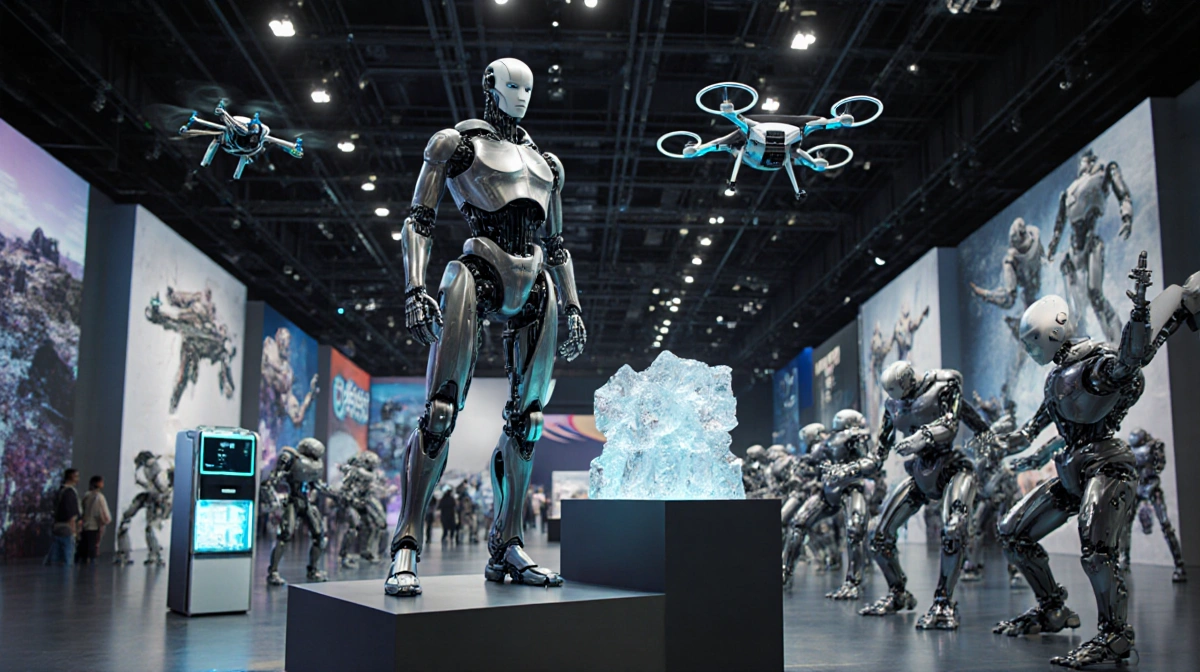
Robots and physical AI dominated the event, pushing voice assistants and image generators to the sidelines. Boston Dynamics unveiled a fresh take on its Atlas humanoid, drawing crowds eager to see the machine’s new design.
Beyond the headliner, exhibitors demonstrated AI that could:
- Manipulate car parts on assembly lines
- Snatch drones out of the sky using net guns
- Power everyday appliances-including ice makers
What the Shift Signals
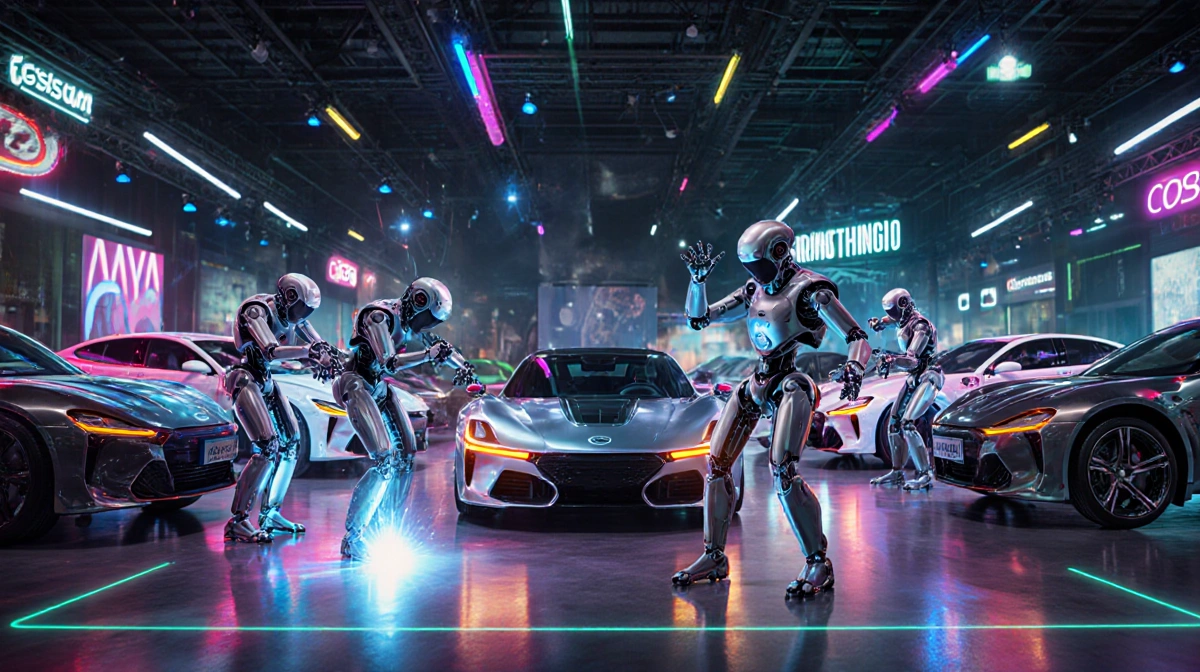
Company messaging was consistent: AI has graduated from answering questions to performing physical work. Booth demonstrations emphasized real-world applications, with automakers even programming robots to dance alongside their latest vehicles.
The change in focus reflects industry confidence that the technology is robust enough for factory floors, logistics hubs, and consumer devices.
Key Takeaways
- CES 2026 marked a clear pivot from software to hardware AI
- Boston Dynamics’ redesigned Atlas robot became the show’s marquee attraction
- Exhibitors pushed practical uses: manufacturing, security, and home appliances
- Automakers and robotics firms signaled that deployment, not experimentation, is next
Expect supply-chain managers, warehouse operators, and gadget lovers-not just software developers-to be the target audience for this new wave of AI products.