> At a Glance
> – San Diego claims Marines erected razor wire on city land without permission.
> – City says the fence blocks access to protected habitats and damages the environment.
> – Lawsuit asks court to halt construction and remove federal crews.
> – Why it matters: The outcome could set a precedent for how local governments can challenge federal border projects on their land.
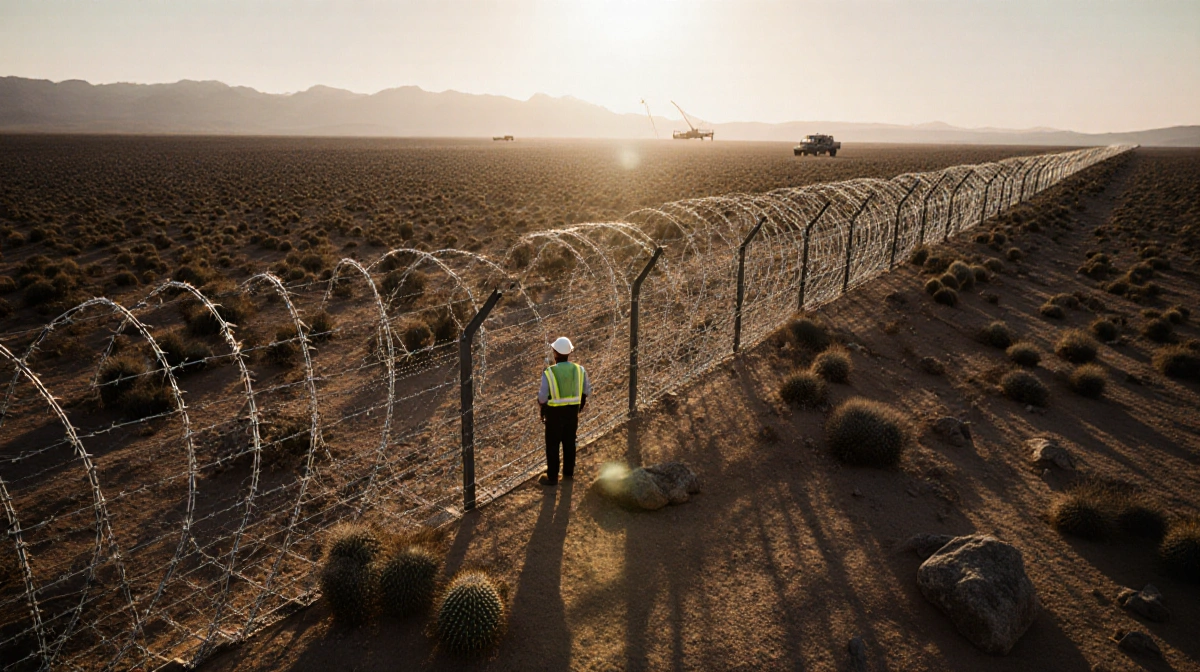
San Diego is taking the federal government to court after discovering U.S. Marines installing razor wire near the U.S.-Mexico border. City leaders say the activity began in December and has already harmed sensitive land they are legally bound to protect.
The Legal Complaint
The suit, filed Monday in federal court, names the Department of Homeland Security and Department of Defense as defendants. It accuses them of trespassing on city property in the Marron Valley area and degrading protected plant and wildlife habitats.
City crews can no longer reach the site to inspect or manage the land, according to the complaint. Construction has already caused damage and will continue to do so if it is not stopped, the city argues.
- Blocks access to conservation areas
- Harms protected species
- Violates local land-use rules
City Response
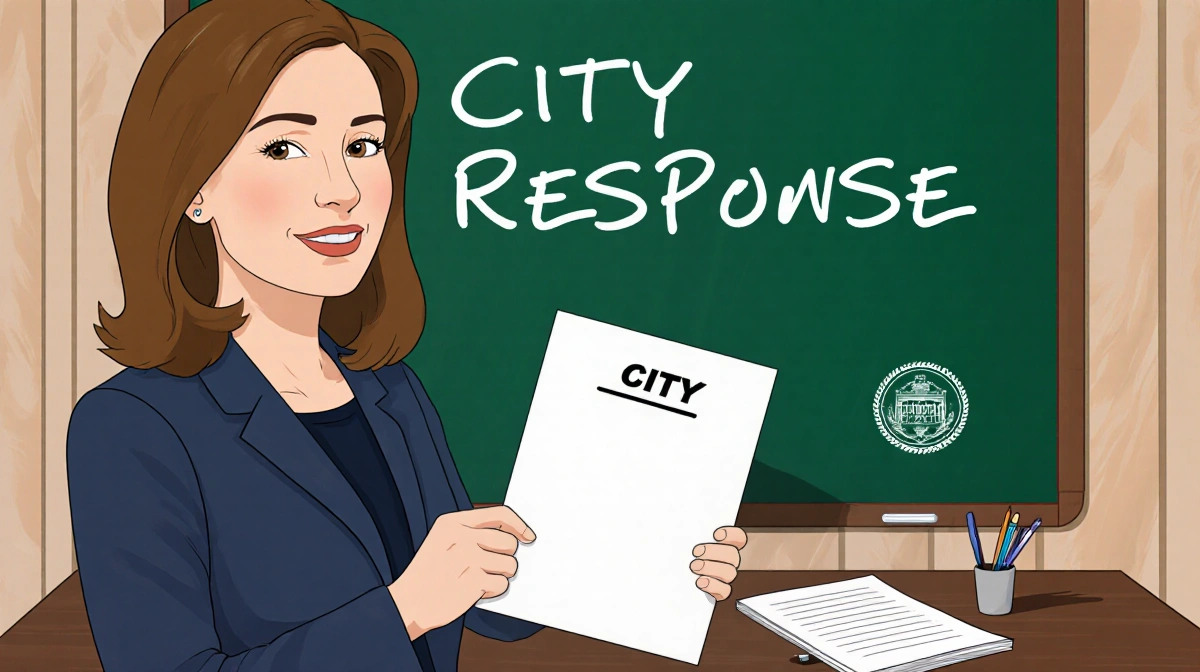
City Attorney Heather Ferbert issued a blunt statement alongside the filing:
> “The city of San Diego will not allow federal agencies to disregard the law and damage city property. We are taking decisive action to protect sensitive habitats, uphold environmental commitments and ensure that the rights and resources of our community are respected.”
What the City Wants
San Diego is asking the court for an injunction that would:
- Order all federal personnel to stop entering the area
- Bar further fence construction
- Restore access for city environmental teams
Key Takeaways
- Federal agencies began the wire project without city notice or permits.
- San Diego says the work threatens conservation areas it must protect.
- A court order could force federal crews to halt construction and leave the site.
The case lands as border infrastructure remains a flashpoint between local governments and federal authorities over environmental and property rights.