


At a Glance
- Paul Caneiro, 59, faces trial for murder and arson of his brother’s family on Nov. 20, 2018.
- He is accused of setting fires to create an illusion that the Caneiro family was targeted.
- A financial dispute over stolen money and business control is cited as motive.
- Why it matters: The case highlights how financial greed can drive extreme violence and raises questions about evidence admissibility in high-profile trials.
Jury selection will begin Monday in the long-awaited trial of Paul Caneiro, a New Jersey man charged with murdering his brother and family and setting fires to make it look like a targeted attack. The case centers on a financial feud that turned deadly, and prosecutors say the arson was staged to mislead investigators. If convicted, Caneiro could receive life without parole for the murder charge.
Trial Overview
Caneiro will stand in a Monmouth County courtroom on more than a dozen counts, including murder, aggravated arson, theft, and other crimes. The trial is expected to last several weeks and will examine evidence from the fires, the murders, and the alleged theft of $75,000 from his brother’s businesses.
- Murder: life without parole
- Aggravated arson: up to 20 years
- Theft and related crimes: up to 10 years
The Crimes and Motive
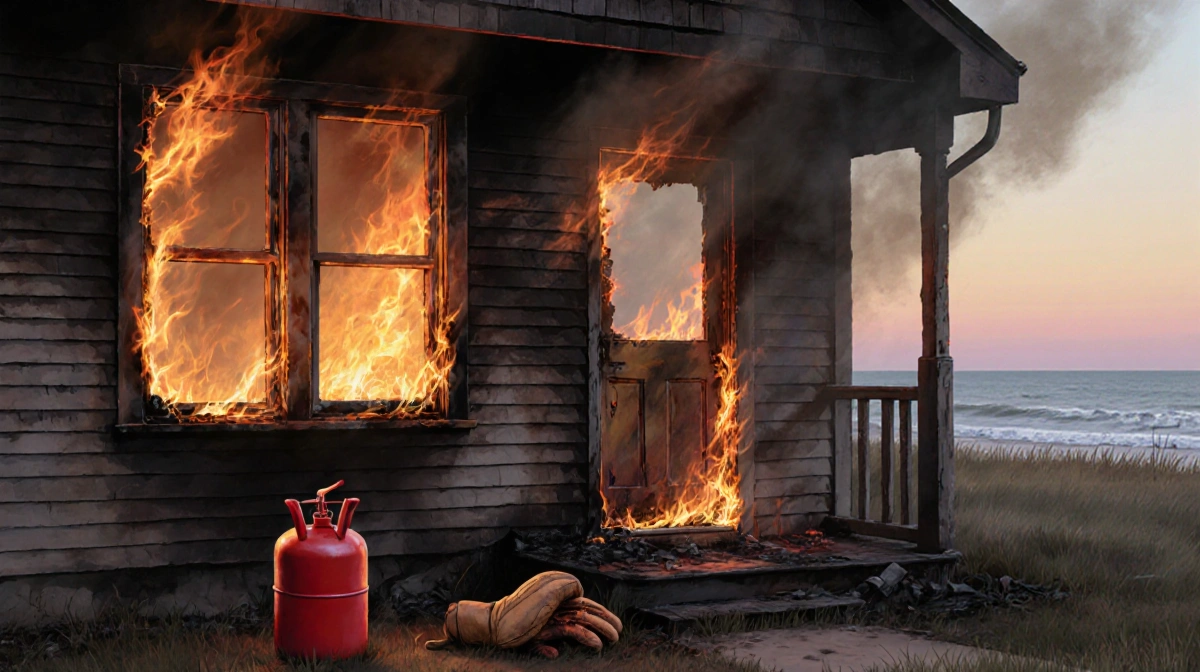
On the morning of Nov. 20, 2018, a fire broke out at Paul Caneiro’s Ocean Township home at 5:01 a.m. Emergency responders found a red gas can and a charred glove.
About seven hours later, authorities responded to a blaze at Keith Caneiro’s home, where investigators discovered the bodies of Keith, his wife Jennifer, their children Jesse and Sophia, and the charred remains of the house.
The deaths were caused by gunshots and stab wounds, with smoke inhalation contributing to the victims’ deaths.
Prosecutor Christopher J. Gramiccioni said the motive was money, describing the case as one of the most brutal he had seen.
Christopher J. Gramiccioni said:
> “This is one of the most brutal cases that I’ve seen in my experience here.”
A lawsuit filed by Jennifer’s family in 2021 alleges that Paul stole $90,000 set aside for college tuition and misappropriated about $11,000 per month from the brothers’ businesses.
Paul was arrested three days after the fires, charged with aggravated arson and later with the killings, and indicted for theft and other offenses.
Legal Challenges
Paul’s defense has sought to exclude evidence they argue was obtained improperly, including a DNA identification tool and electronic data from a home security system.
Judge Marc Lemieux rejected the claim that the DNA tool STRmix was improperly vetted but agreed that the security system was seized without a warrant.
The court ruled that the security system evidence was inadmissible, but the New Jersey Supreme Court later overruled the decision, allowing the evidence to be used.
Judge Marc Lemieux said:
> “The evidence from the system was crucial in establishing Mr. Caneiro’s movements before the killings.”
Defense statements say Caneiro maintains innocence and thanks family and friends for support.
Paul Caneiro’s defense team said:
> “Mr. Caneiro remains patient and resolute as well as deeply grateful for the unwavering support of his close family and friends who continue to stand by him.”
| Date | Event |
|---|---|
| Nov. 20, 2018, 5:01 a.m. | Fire at Paul Caneiro’s home |
| Nov. 20, 2018, ~12:00 a.m. | Fire at Keith Caneiro’s home |
| Nov. 23, 2018 | Paul arrested for aggravated arson |
| (later) | Indictment on murder, theft, etc. |
The timeline shows how quickly the events unfolded, from the first fire to the arrest and indictment.
Key Takeaways
- Paul Caneiro faces life without parole for murder.
- The case centers on a financial dispute that escalated to arson and murder.
- Evidence admissibility issues have been contested in court.
As the trial approaches, the courtroom will scrutinize whether financial greed can justify such violence and whether the evidence presented meets legal standards.