
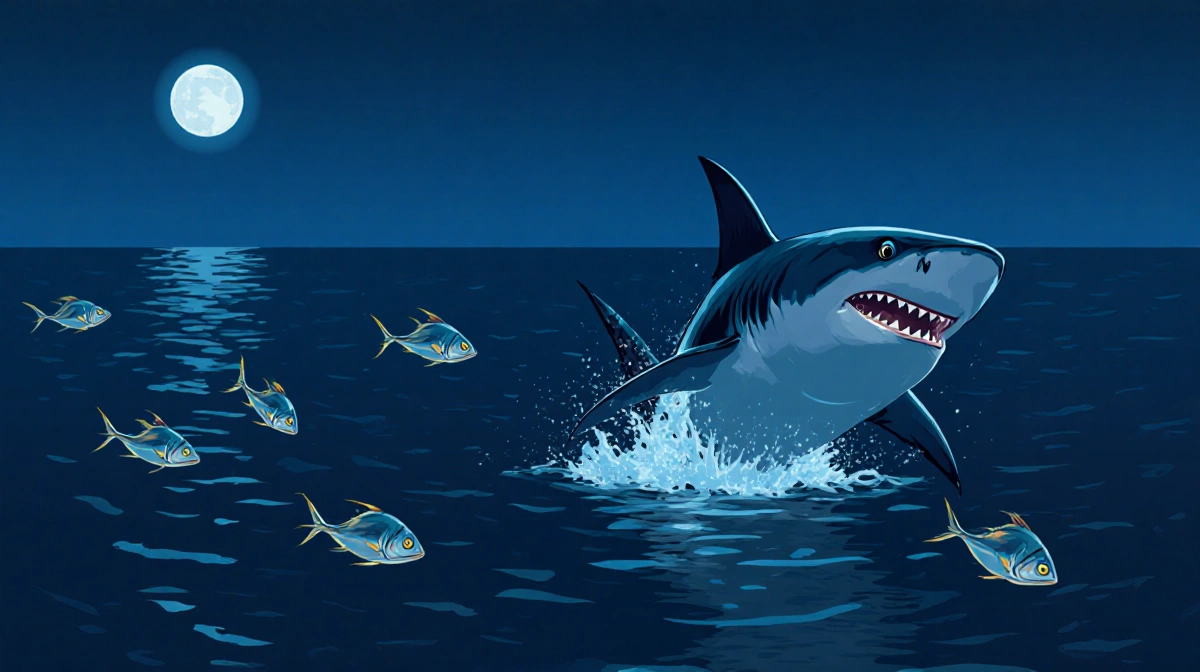

> At a Glance
> – Cookiecutter shark bite patterns mapped from 2011-2023 data.
> – Attacks peak during new-moon nights, especially on swordfish at night and bigeye tuna by day.
> – Study links bites to sea temperature, height, and salinity.
> – Why it matters: Fishermen can adjust gear timing to reduce losses.
The University of Hawaii at Manoa has released the most comprehensive look at the elusive cookiecutter shark, revealing that bites on prized fish are most common during low-light nights near the new moon. By combining bite reports with environmental data, the study offers fresh insight for both scientists and the fishing industry.
Study Overview
The research team analyzed reports of cookiecutter damage from Hawaiian longline fisheries between 2011-2023, building on a previous study that linked shark activity to moonless nights. They paired the bite data with sea temperature, surface height, and salinity to create a statistical model of shark behavior.
- Upper jaw: 30-37 small, erect teeth
- Lower jaw: 25-31 larger, jagged triangular teeth
- Size: up to ~20 inches long

Behavioral Findings
The model shows that cookiecutter attacks are most likely at night and closer to the new moon, when lunar illumination is lowest. Sharks prefer swordfish during nighttime and bigeye tuna during daytime.
Historical Context
Researchers cross-referenced Polynesian oral histories, finding multiple references to cookiecutter bites that confirm the sharks’ long presence near Hawaiian waters.
Donald R. Kobayashi stated:
> “These enigmatic creatures have resisted formal study due to their habitat, behavior, and apparent rarity,” he said in a statement.
| Feature | Detail |
|---|---|
| Length | Up to ~20 inches |
| Upper teeth | 30-37 small, erect |
| Lower teeth | 25-31 larger, jagged |
The study notes that cookiecutter sharks are listed as Least Concern on the IUCN Red List, but increased fishing pressure could threaten their numbers.
Key Takeaways
- Attacks peak at new-moon nights.
- Swordfish are nighttime targets; bigeye tuna are daytime targets.
- Fishermen can time gear deployment to reduce damage.
With these new insights, longline operators can better plan their operations, while scientists gain a clearer picture of a shark that has long been a shadowy figure in the Pacific.