

At a Glance
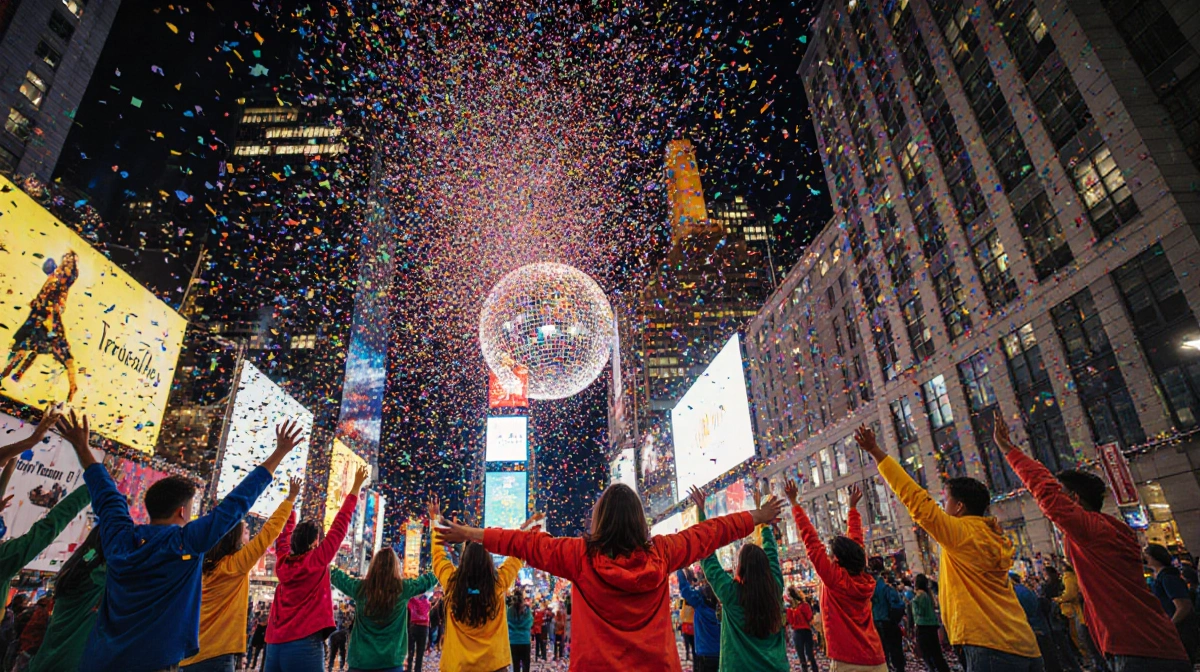
- 3,000 pounds of hand-released confetti light up Times Square each New Year’s Eve.
- Treb Heining has orchestrated the drop for 34 years, starting in 1992.
- The event involves 70 boxes of biodegradable confetti and 100 volunteers.
- Why it matters: It turns the world’s most watched countdown into a shared, volunteer-powered spectacle.
The New Year’s Eve celebration in Times Square is famed for its ball drop, but the real magic comes from the confetti that rains from the city’s rooftops. For more than three decades, Treb Heining has led the hand-released confetti drop, turning a simple celebration into a choreographed, volunteer-driven show.
The Confetti Drop
The drop begins 20 seconds before midnight, when Heining gives the cue.
- 3,000 pounds of confetti are released by hand.
- 70 boxes, each holding about 45 pounds, are delivered on December 29.
- 100 volunteers positioned on building setbacks and windows disperse the pieces.
Treb Heining stated:
> “We usually start the confetti about 20 seconds before midnight. That’s when I give the go.”
Heining’s Balloon Roots
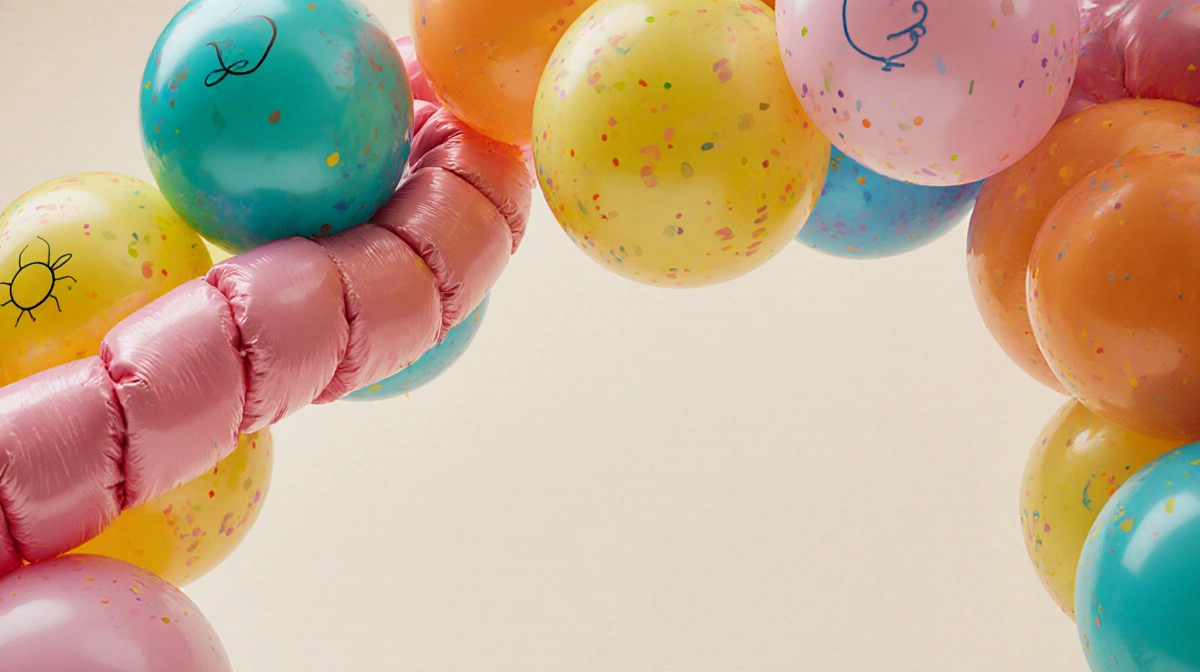
Heining’s career began at Disneyland in 1969, selling Mickey Mouse balloons. He founded Balloon Art by Treb in 1979, creating balloon arches and columns for events ranging from the 1984 Olympic opening ceremony to presidential conventions.
In the 1990s he invented the Glasshouse Balloon, a clear-plastic balloon containing a Mickey balloon inside. The partnership with Disney continues today, with Heining designing balloons for parks worldwide.
Volunteer Process
Applicants worldwide fill out the “Official Confetti Dispersal Engineer Request Form” at makingmagicnye.com. Heining selects about 30-40 volunteers each year, each allowed to bring one guest. The selection begins in February, with notifications sent in July, and selected engineers receive credentials on drop day and attend a 7 p.m. orientation.
Treb Heining remarked:
> “We have people from all over the world that do this now. I have to say no every year to hundreds and hundreds of people. So, it’s a real bucket list for a lot of people across the world.”
Behind the Scenes
Confetti boxes are unloaded between 9 a.m. and noon, then pushed to the designated buildings, where they are unpacked, fluffed, and mixed with handwritten New Year’s wishes from the Wishing Wall. Radio communication links each crew chief to Heining, who gives the final cue just before midnight. The drop continues until about 30 seconds after the ball hits the base, with pieces lingering in the air for photo opportunities.
Treb Heining added:
> “It’s a physically violent act. You are taking a clump of confetti and throwing it as hard as you can.”
Special Moments
Heining’s favorite year was the 1999-2000 transition, when confetti reflected each country’s celebration. He also honored late friend Tommy DeLorenzo by dropping green confetti at a dedicated building. This year, a post-midnight drop of 2,000 pounds of red, white and blue confetti will celebrate the upcoming 250th anniversary of the Declaration of Independence.
Treb Heining said:
> “We’ll be doing something a little new this year that’s never been done before.”
Key Takeaways
- Treb Heining has led the Times Square confetti drop for 34 years.
- The drop involves 3,000 pounds of hand-released confetti and 100 volunteers.
- Each year, a small, exclusive group of volunteers is selected to participate.
The tradition of confetti in Times Square continues to turn a global countdown into a shared, volunteer-powered celebration, reminding us that even small pieces of paper can create a lasting impact.