

At a Glance
- 38 states enacted AI laws this year.
- 100% premium increase capped in Colorado with $100M aid.
- 20 states passed 37 voting-restriction bills.
As 2026 approaches, a wave of state legislation reshapes AI, health care, and elections. From deepfake disclosures to paid leave expansions, the new laws aim to protect voters, patients, and workers.
AI Regulation in Elections and Health Care
Thirty-eight states passed AI-related bills, targeting deepfakes in elections and misleading medical AI. Tim Storey of the National Conference of State Legislatures noted:
> “States have taken the lead, as they have in so many issues. AI is the big one.”
- California: Bans AI chatbots that misrepresent licensed professionals.
- Oregon: Prohibits AI from using the title “nurse” for medical advice.
- Montana & South Dakota: Require disclosure of deepfakes in elections.
| State | AI Law Focus |
|---|---|
| California | Bans AI chatbots impersonating licensed professionals |
| Oregon | Prohibits AI using title “nurse” for medical advice |
| Montana | Requires disclosure of deepfakes in elections |
| South Dakota | Requires disclosure of deepfakes in elections |
Paid Family and Medical Leave Expansion
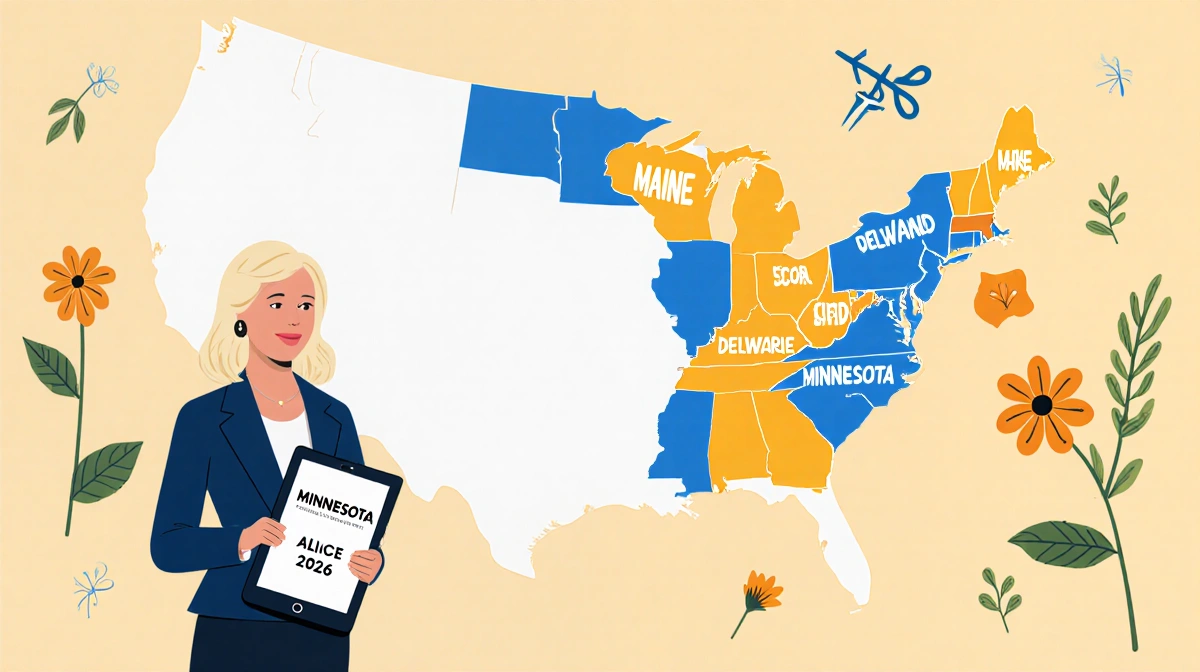
Maine, Delaware, and Minnesota will begin paid leave programs in 2026, while Maryland, Vermont, and Washington expanded existing policies. Alice Mann, a Minnesota state senator, said:
> “I see people every single day who struggle. People are left with the choice of taking care of themselves, their family members, their new baby and not getting a paycheck anymore.”
- Maine: Paid leave policy effective 2026.
- Delaware: Paid leave policy effective 2026.
- Minnesota: Paid leave policy effective 2026.
- Maryland: Expanded leave policy effective 2026.
- Vermont: Expanded leave policy effective 2026.
- Washington: Expanded leave policy effective 2026.
Colorado Tackles Obamacare Subsidy Loss
All states face rising premiums as ACA subsidies expire in January 2026. Colorado allocated $100M to cushion the blow. Kyle Brown explained:
> “Before we passed the bill, people’s premiums on average were expected to go up by 175% in Colorado. We passed the bill, and now they’re only going up by 100%.”
- $100M allocated to health-premium aid.
- Premiums expected to rise 101% for ~225,000 people.
- Aim to reduce potential 175% increase.
New Voting Restrictions
A surge of voting-restriction bills took effect in 2026. Chris Vasquez of the Voting Rights Lab observed:
> “We did see 27 states introduce some sort of restrictive proof-of-citizenship legislation this year, which is triple what we saw in the previous legislative session.”
- 20 states passed 37 voting-restriction bills.
- 23 states passed 51 voting-enhancement bills.
- 27 states introduced proof-of-citizenship requirements.
Key Takeaways
- AI laws aim to curb deepfakes and misleading medical AI.
- Paid leave expands to 6 states, improving worker support.
- Colorado’s $100M aid mitigates ACA subsidy loss.
- Voting laws see a record number of restrictions and some enhancements.
These state-level moves highlight a growing trend of legislatures stepping in to regulate technology, protect workers, and shape elections as federal action stalls.