

At a Glance
- NASA seeks drone-detection system for Kennedy Space Center.
- System must cover at least 46 miles and alert by April 2026.
- FCC has banned foreign-made drones amid security concerns.
- Why it matters: Protects launch assets and personnel from potential drone threats.
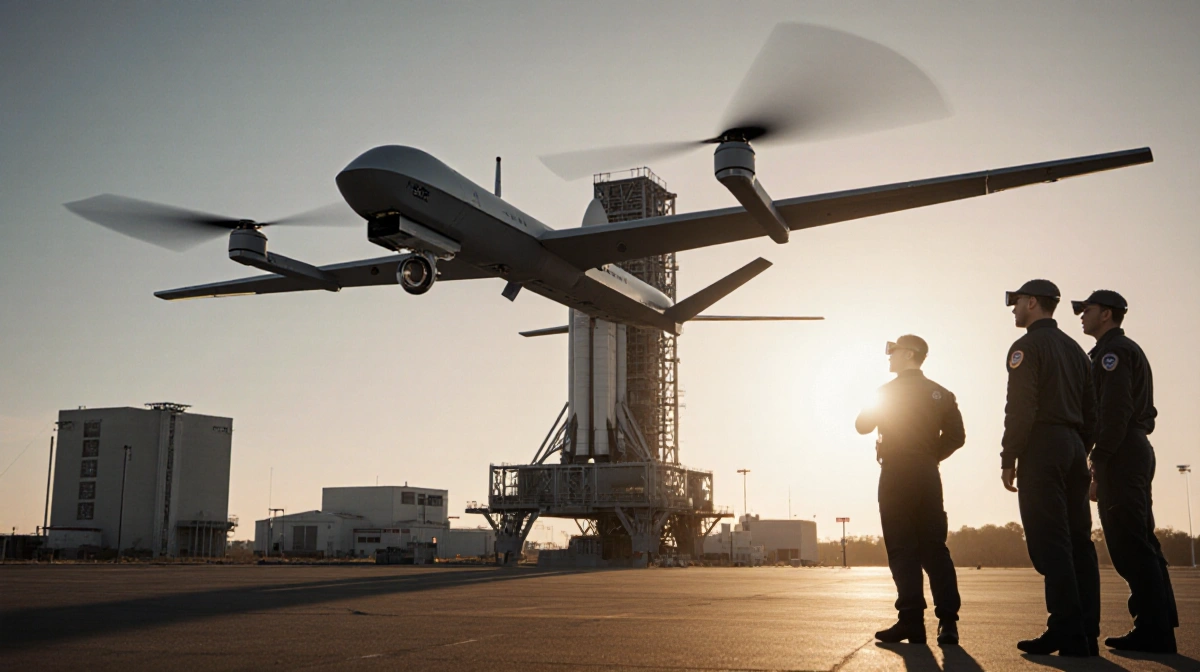
NASA has issued a call for proposals to build a new drone-detection and analysis system for its primary launch site, Kennedy Space Center in Cape Canaveral, Florida. The agency aims to deploy the system by April 2026 to safeguard launch vehicles, flight hardware, and high-value assets from unmanned aircraft that could pose security risks.
System Requirements
The proposed system must detect and identify unknown UAS within a minimum range of 46 miles (64 kilometers). It will provide real-time detection, threat analysis, and alerting to enable rapid decision-making for personnel and the public.
- Detection range of at least 46 miles
- Real-time detection and notification
- Threat analysis and assessment
Context and Background
The request follows the FCC‘s ban on new foreign-made drones and components, citing national security. Kennedy Space Center restricts all UAS flights over its property unless approved by KSC Flight Operations, but the agency has not confirmed recent drone incidents.
| Feature | Description |
|---|---|
| Detection Range | Minimum 46 miles (64 km) |
| Alerting | Real-time detection and notification |
| Threat Analysis | Identification and assessment of UAS |
This move mirrors security tightening at nearby Cape Canaveral Space Force Station, which also hosts classified military activities, though its own drone detection capabilities remain unclear.
Key Takeaways
- NASA aims to deploy the system by April 2026.
- System will detect UAS up to 46 miles.
- The move follows FCC‘s ban on foreign-made drones.
With the deadline approaching, NASA’s new system could become a critical shield for its lunar missions and broader space launch operations.