


> At a Glance
> – December’s end invites many to review goals and set new ones.
> – Experts share advice on letting go, budgeting, and fitness.
> – Key strategies: schedule tasks, separate holidays from finances, start small.
> – Why it matters: These tips help readers transition smoothly into the new year.
December’s end invites many to review goals and set new ones. The Associated Press interviewed specialists in organization, fitness, finance, risk, and politics to uncover practical advice for the coming year.
Organizing Your Life
**Laura Olivares, a professional organizer, explains that even exciting changes can bring grief over lost items or memories.
> “When you let go of something that was meaningful to you, it deserves a moment,” Olivares said.
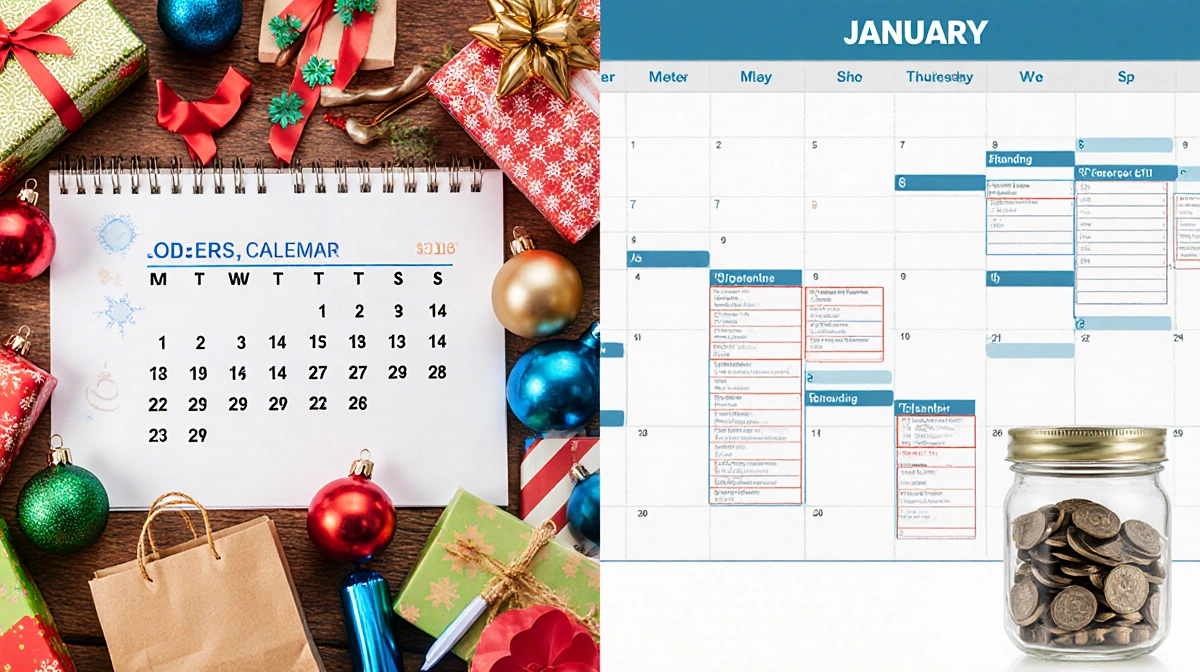
> She recommends a brain dump in December and then scheduling tasks before January 1.
> By planning three tasks on each of three days, she suggests nine tasks per week to keep the year organized.
Planning Ahead with Risk and Money
R. Dale Hall, an actuary, notes that the public can’t predict everything but can map out risk scenarios.
> “We can’t control or predict everything and must accept the possibility of something unexpected,” Hall said.
> He advises keeping holidays and finances separate, encouraging people to enjoy the season and set financial goals in January.
> This separation helps avoid holiday spending that skews long-term planning.
Dana Miranda, author of You Don’t Need a Budget, stresses that details matter and one size does not fit all.
> “Insisting that the same technique works for everybody can leave people feeling stuck,” Miranda said.
> She encourages readers to consider the broader systemic context, linking personal finance to collective solutions like unions and policy change.
Fitness and Small Steps
Keri Harvey, a personal trainer, champions starting small to avoid injury and build consistency.
> “We want to be mindful of making sure that we’re not asking too much or trying to overcompensate,” Harvey said.
> She recommends beginning with two to three gym visits per week, warming up, and adding mobility work.
> Making workouts enjoyable keeps motivation high and reduces the risk of injury.
Learning from History
Jeanne Theoharis, a political science professor, reminds us that change often happens without guarantees of success.
> “A number of us would be willing to do something brave if we knew that it would work,” Theoharis said.
> She cites Rosa Parks’ resistance as a lesson that progress can emerge from uncertain action.
> Theoharis also highlights the erosion of voting rights and the need to confront history honestly to drive future change.
Key Takeaways
- Letting go requires acknowledgement and time.
- Separate holiday enjoyment from financial goal-setting.
- Start fitness goals with manageable, enjoyable steps.
As the year turns, these experts’ insights provide a roadmap for turning reflection into action.