
At a Glance
- January 2025 brings the year’s first supermoon and the Quadrantid meteor shower into the same night.
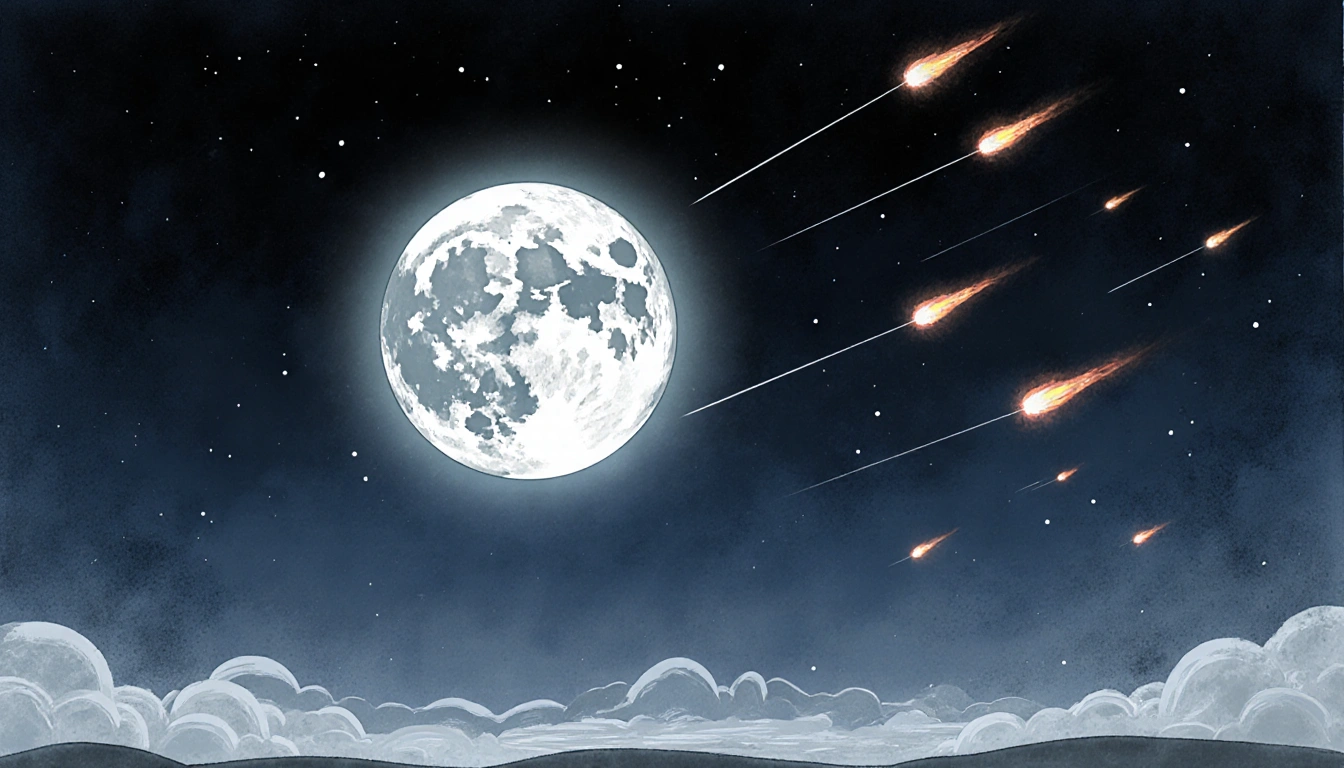
- Supermoon brightness will dim the expected 25 meteors per hour to fewer than 10.
- Full moon is the biggest enemy of enjoying a meteor shower, says planetarium director Mike Shanahan.
- Why it matters: Light from the supermoon will make it harder to spot the night’s fireworks, affecting sky-watchers worldwide.
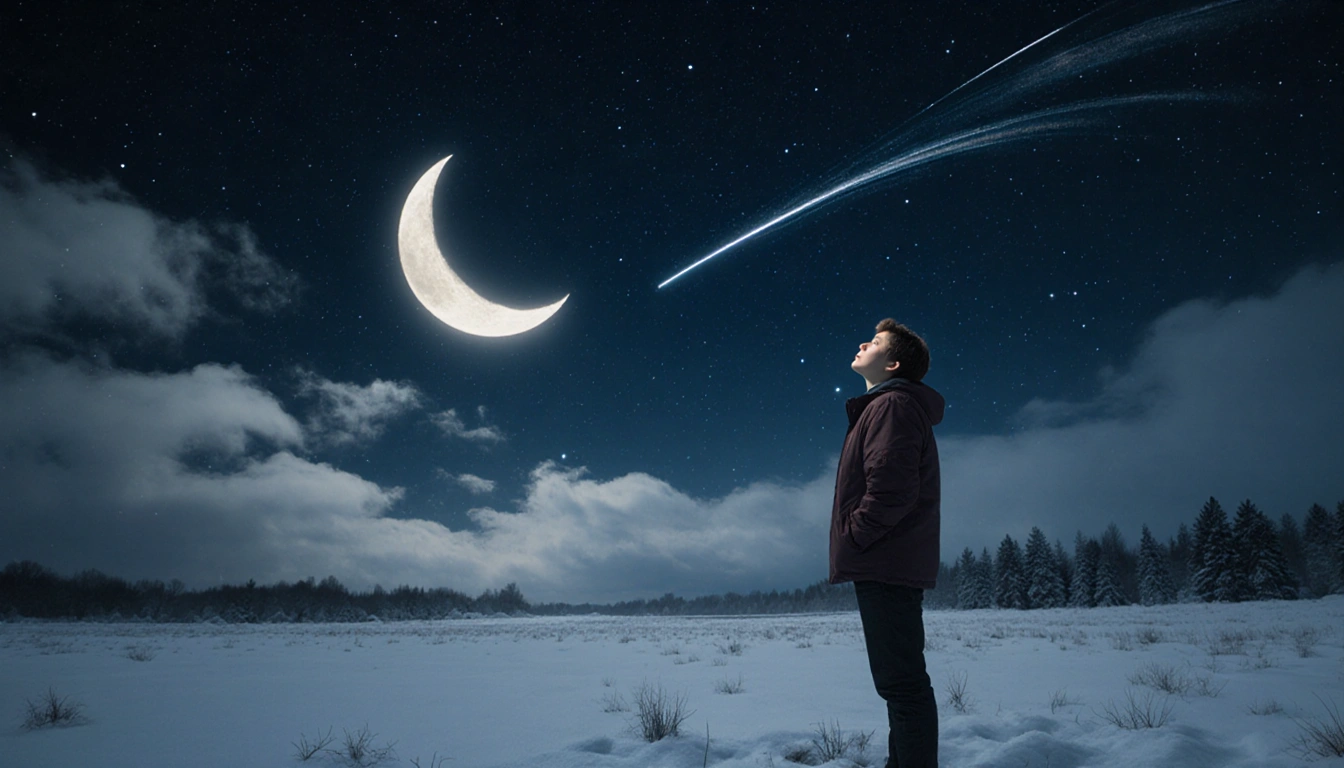
In January, the sky will host two celestial events that rarely coincide: the first supermoon of the year and the peak of the Quadrantid meteor shower. While the moon will look larger and brighter, its glow will also reduce the number of visible meteors.
Supermoon and Meteor Shower Converge
The American Meteor Society reports that the Quadrantids typically deliver about 25 meteors per hour in dark skies, but the supermoon will likely bring that number down to fewer than 10. This reduction is due to the moon’s full brightness washing out fainter fireballs.
Mike Shanahan, planetarium director at Liberty Science Center in New Jersey, said:
> “The biggest enemy of enjoying a meteor shower is the full moon.”
How to Watch the Quadrantids
- Find a dark spot away from city lights in the early evening.
- Look for fast-moving white dots across the entire sky.
- Try early dawn on Sunday when the moon has set.
- Avoid looking at your phone to let your eyes adjust.
Jacque Benitez of the Morrison Planetarium at the California Academy of Sciences added:
> “Venturing out early and watching during the dawn hours gives you the best chance to see the fireballs before the moon crashes the party.”
| Feature | Normal Moon | Supermoon |
|---|---|---|
| Apparent Size | 0% larger | Up to 14% larger |
| Brightness | Baseline | Up to 30% brighter |
The supermoon occurs when the full moon is closer to Earth, making it appear larger and brighter. This effect is most noticeable in the night sky and can mask the faint meteors that would otherwise be visible.
Key Takeaways
- The supermoon will dim the Quadrantid meteor shower’s visibility from 25 to fewer than 10 meteors per hour.
- Sky-watchers should seek dark, early-evening locations and avoid screens.
- The event showcases how lunar brightness can interfere with meteor observations.
Even though the fireworks will be less plentiful, the January sky still offers a rare chance to witness both a supermoon and a meteor shower in one night.