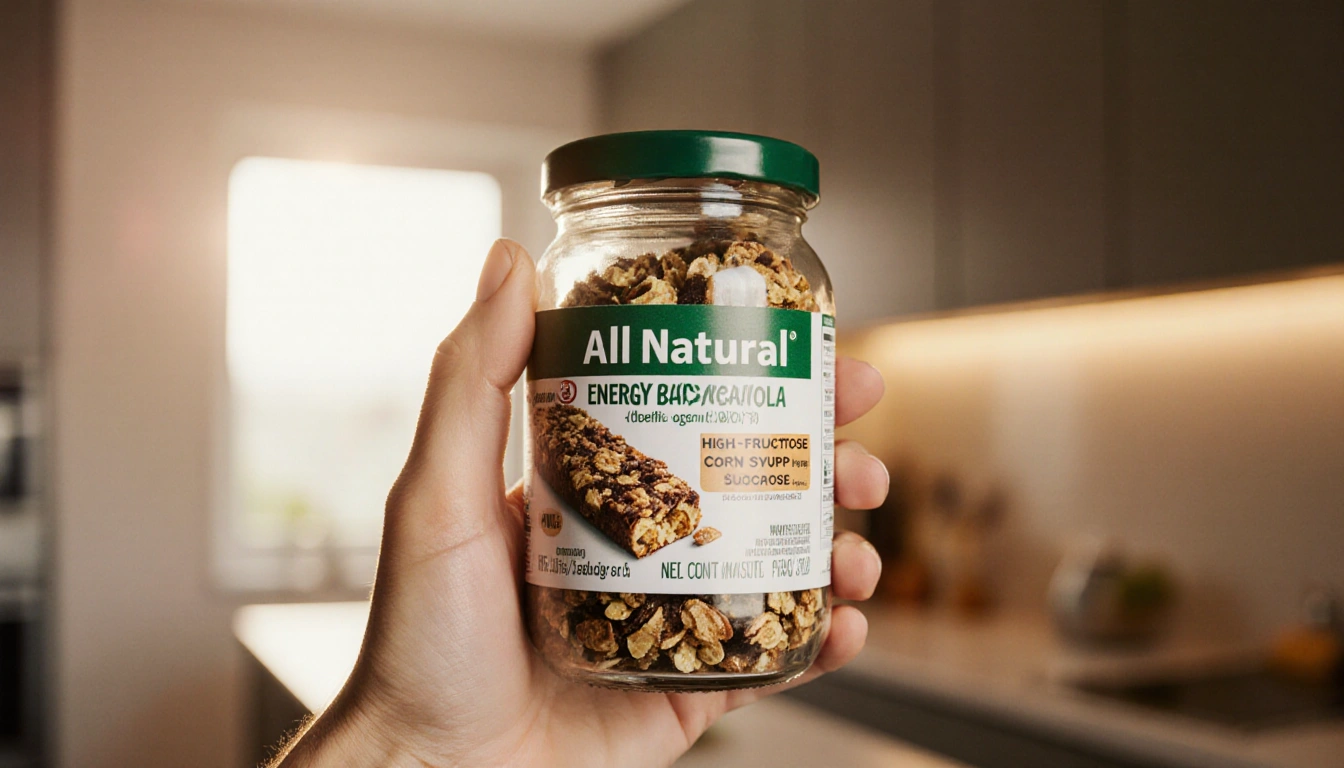

At a Glance
- “Healthy” foods often contain hidden added sugars.
- Americans average 17 teaspoons of added sugar daily, 57 pounds yearly.
- FDA recommends no more than 10% of calories from added sugar, about 50 grams per day.
- Why it matters: Unseen sugars raise risk of heart disease, obesity, and diabetes.
Consumers think they’re buying wholesome foods, but many label-free products hide added sugars. Experts warn that the sweeteners used by big brands are often overlooked, leaving people with more sugar than they realize.
Spotting Hidden Sugars
Because added sugars are now listed separately, brands can still mask sweetness with alternatives that the FDA doesn’t count as added sugars. Nicole Avena noted:
> “Now our foods are even more sweet than they were back in 2020.”
Key things to check on labels:
- Saturated fat and salt
- Total sugar vs. added sugar
- Sweetener names like monk fruit or erythritol
Examples of surprising sugar content:
| Product | Added Sugar (g) |
|---|---|
| Chobani Black Cherry Yogurt | 9 |
| Silk Almond Milk (1 cup) | 7 |
Sugar Limits and Recommendations
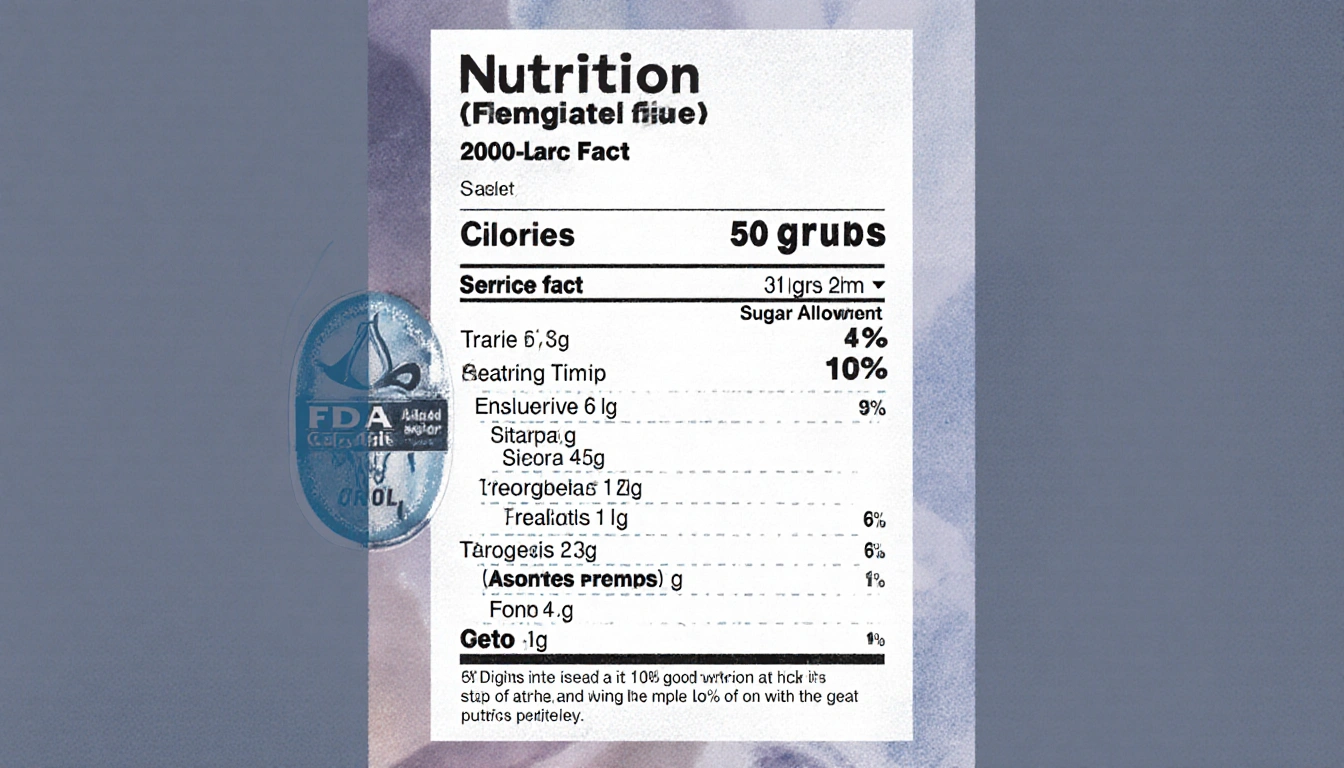
The FDA allows up to 10% of calories from added sugar, about 50 grams for a 2,000-calorie diet. Collin Popp suggested:
> “I would actually like to see that be less than 5%, and closer to zero for some, if they have diabetes or prediabetes.”
| Recommendation | Daily Added Sugar |
|---|---|
| 10% of calories | 50 g |
| 5% of calories | 25 g |
Practical Ways to Cut Sugar Intake
Mindful choices and DIY sweetening can help reduce hidden sugars:
- Buy plain yogurt and add honey or berries
- Ask baristas to use oat milk instead of flavored options
- Read labels for sweetener names like monk fruit or erythritol
President Donald Trump said Coca-Cola has agreed to use real cane sugar in its flagship soft drink in the U.S. at his suggestion.
Key Takeaways
- Hidden added sugars are common in “healthy” foods.
- The average American consumes 17 teaspoons of added sugar daily.
- Aim for no more than 10% of calories from added sugar, or lower if possible.
Even a small change in how you read labels and choose products can cut your sugar intake and lower health risks.