

At a Glance
- $10B will be shared among states for 2026 rural health care.
- The program averages $200M per state and totals $50B over five years.
- Half the money is equal, half follows a formula tied to policy compliance.
- Why it matters: The funds aim to cushion rural hospitals from Trump-era budget cuts, but critics fear uneven distribution and future clawbacks.
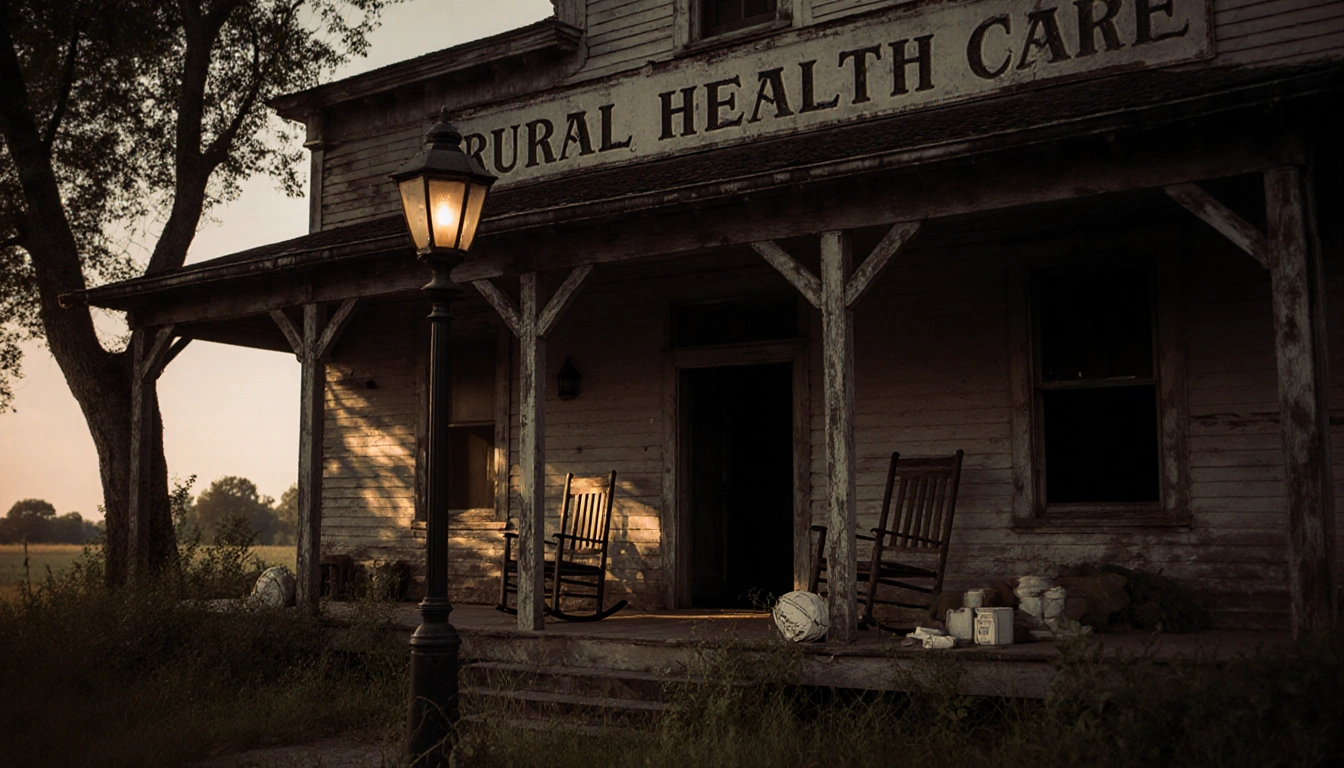
The federal government announced that states will receive a combined $10B for rural health care in 2026, part of a larger $50B Rural Health Transformation Program designed to counteract the Trump administration’s budget cuts. The initiative, a component of the italicized One Big Beautiful Bill signed six months ago, offers an average award of $200M to each state while tying funding to policy compliance.
Funding Mechanics and Allocation
The Rural Health Transformation Program distributes its money in two equal halves. One half is allocated equally among all states, ensuring a baseline level of support. The other half is determined by a CMS-developed formula that weighs rural population size, the financial health of state medical facilities, and health outcomes.
The formula also earmarks $12B of the five-year funding to states that adopt health policies highlighted in the Trump administration’s Make America Healthy Again initiative. These policies include mandatory nutrition education for health care providers, participation in the Presidential Fitness Test by schools, and bans on using SNAP benefits for junk foods.
Several Republican-led states-Arkansas, Iowa, Louisiana, Nebraska, Oklahoma, and Texas-have already enacted SNAP restrictions, allowing them to qualify for the policy-linked portion of the grant.
| Distribution Method | Amount | Criteria |
|---|---|---|
| Equal share per state | $25B | All states receive the same amount |
| Formula-based share | $25B | Rural population, facility health, outcomes, policy compliance |
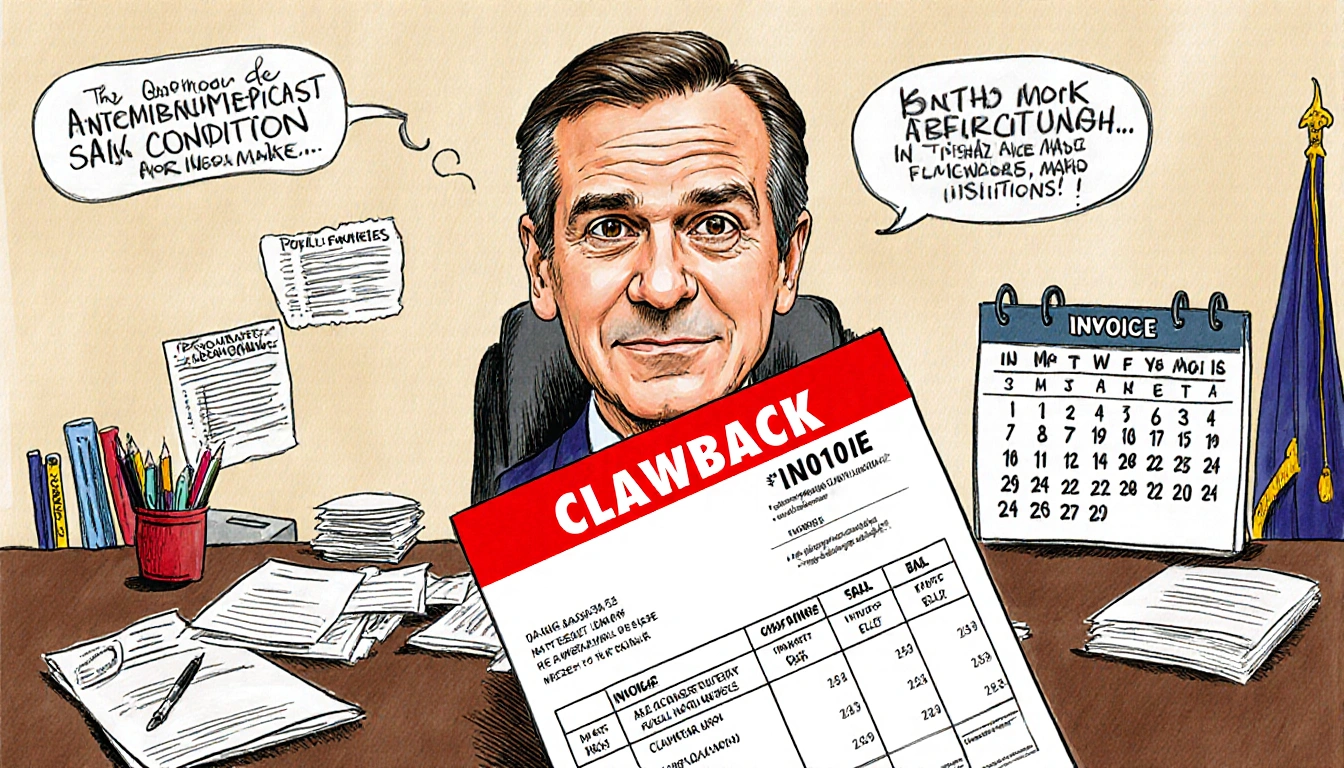
The annual recalculation of each state’s award allows the administration to “claw back” funds if promised policies are not enacted. This mechanism is intended to be a lever, not a punishment, according to CMS administrator Dr. Mehmet Oz.
Policy Conditions, Clawbacks, and Criticisms
Dr. Mehmet Oz explained that the clawbacks give governors a tangible incentive to adopt the targeted policies, framing the funding as an “empowering element” of the One Big Beautiful Bill.
**Carrie Cochran-McClain, chief policy officer with the National Rural Health Association, warned that Democratic-led states might lose funding if they refuse SNAP restrictions. She noted, “It’s not where their state leadership is,” implying that policy compliance, not political ideology, determines funding.
Rep. Don Bacon of Nebraska, who voted for the budget bill that cut Medicaid, highlighted the fund as a 50% increase in Medicaid investments for rural health care. He said, “This money is meant to keep hospitals afloat.”
However, experts argue that the $50B fund will not offset the projected $137B loss rural hospitals face over the next decade due to a $1.2T federal spending cut. An analysis by the italicized Cecil G. Sheps Center for Health Services Research at UNC Chapel Hill estimated that up to 300 rural hospitals could close.
| Projected Losses | Rural Hospital Funding | Net Gap |
|---|---|---|
| $137B | $50B | $87B |
Cochran-McClain also pointed out that funding may not reach the hospitals that need it most. In one state, the application proposed healthier, locally sourced school lunch options rather than hospital support.
Innovation remains a challenge when hospitals struggle to meet payroll. Cochran-McClain said, “When you’re in crisis mode, it is almost impossible to do true innovation.”
Key Takeaways
- The Rural Health Transformation Program will distribute $10B in 2026, averaging $200M per state.
- Half the money is equal; the other half depends on population, facility health, outcomes, and policy compliance.
- Critics warn that the $50B fund may not cover the projected $137B loss from federal cuts, and that clawbacks could reduce support for states that resist policy changes.
The program represents a significant federal effort to shore up rural health care, but its effectiveness hinges on policy compliance and the ability to match funding with the urgent needs of rural hospitals.