
At a Glance
- Judge Tony Graf orders release of audio and transcript from the Oct. 24 hearing in the Charlie Kirk murder case.
- 246 words (about one page) will be redacted from an 80-page transcript.
- A separate hearing will decide whether cameras can be allowed in Robinson’s trial.
- Why it matters: The release brings the case into public view and fuels debate over media access in high-profile criminal trials.
The court has opened a previously sealed hearing in the murder case of political activist Charlie Kirk, allowing the public to hear audio and read a transcript with limited redactions. Judge Tony Graf emphasized balancing constitutional interests while recognizing the public’s right to access. The decision follows arguments from both sides about media coverage and potential jury prejudice.
Judge Orders Release
Judge Tony Graf ruled that the audio and transcript from the Oct. 24 closed-door hearing should be released, with 246 words-approximately one page-redacted from the 80-page document. The transcript will appear in the court docket by the end of the day, while the audio file may take longer to become available.
Media Access Debate
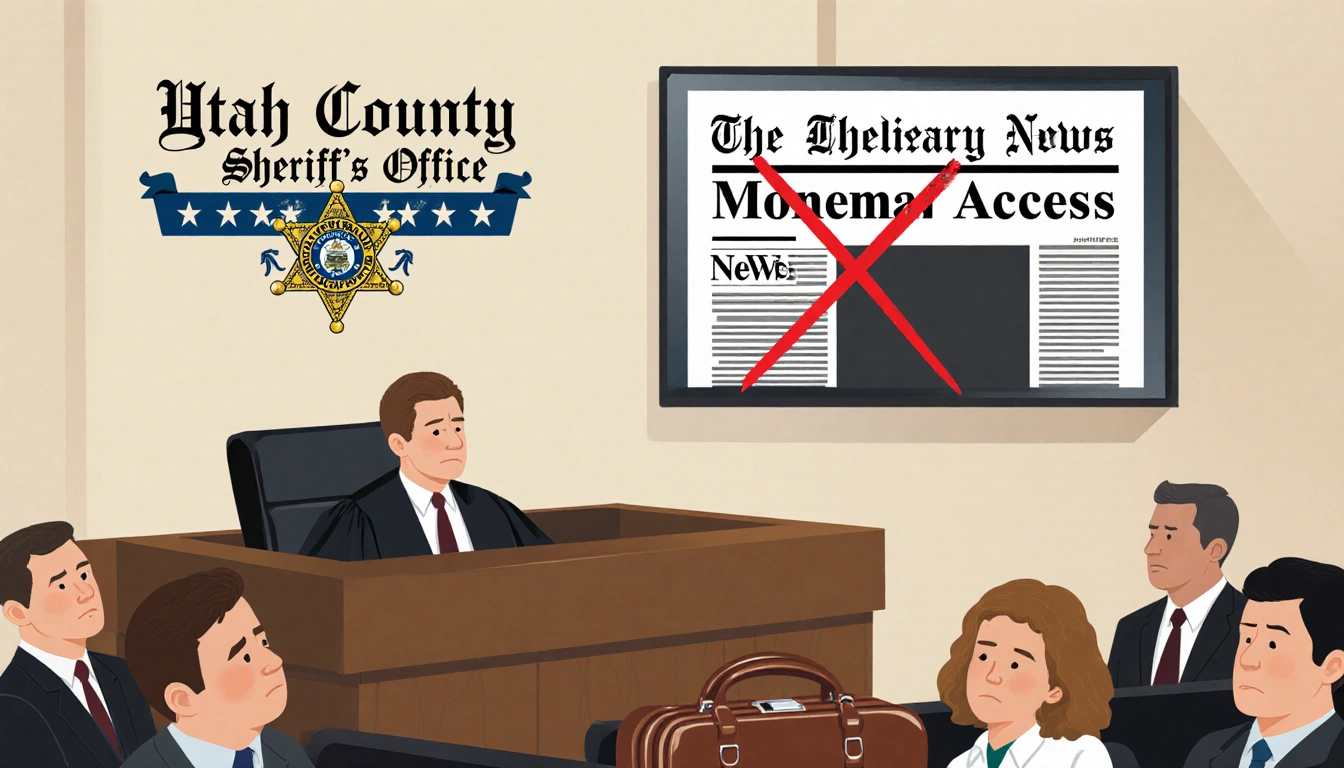
Robinson’s attorneys and the Utah County Sheriff’s Office support limiting media access, citing concerns that extensive coverage could taint the jury pool.
Robinson’s attorneys stated:
> “Realistic likelihood of prejudice”
Media organizations argue that the First Amendment guarantees public access to courts, describing the hearings as “the courts do the public’s business”.
Media groups said:
> “The courts do the public’s business”
The widow, Erika Kirk, has called for full transparency, stating that the public deserves to have cameras there.
Erika Kirk said:
> “The public deserves to have cameras there”
- Robinson’s lawyers want to restrict cameras to prevent prejudice.
- The sheriff’s office backs limited media presence.
- Media groups insist on First Amendment protection.
Case Background
The case centers on Tyler Robinson, 22, who is charged with aggravated murder for shooting Charlie Kirk on the Utah Valley University campus in September. Prosecutors seek the death penalty, and the indictment alleges Robinson targeted Kirk because of his political views. Robinson’s family had expressed concerns about LGBTQ rights, and he reportedly told a roommate he had “enough of his hatred” toward Kirk.
Robinson told a roommate:
> “Enough of his hatred”
| Item | Detail |
|---|---|
| Transcript length | 80 pages |
| Words redacted | 246 (≈1 page) |
Key Takeaways
- Judge Tony Graf has released the audio and transcript with limited redactions.
- The release heightens public scrutiny and sparks a debate over media access.
- A future hearing will determine if cameras can be allowed in Robinson’s trial.
The decision marks a significant step toward transparency in a high-profile case, while the ongoing debate over media presence continues to unfold.