

At a Glance
- Senate race expanding to more states next year as parties rally candidates.
- Democrats need to win 4 seats, including 2 Trump-heavy states, to take control.
- Republicans expect to hold or grow majority, citing Trump’s record.
- Why it matters: The outcome will shape the balance of power in Washington for the next two years.
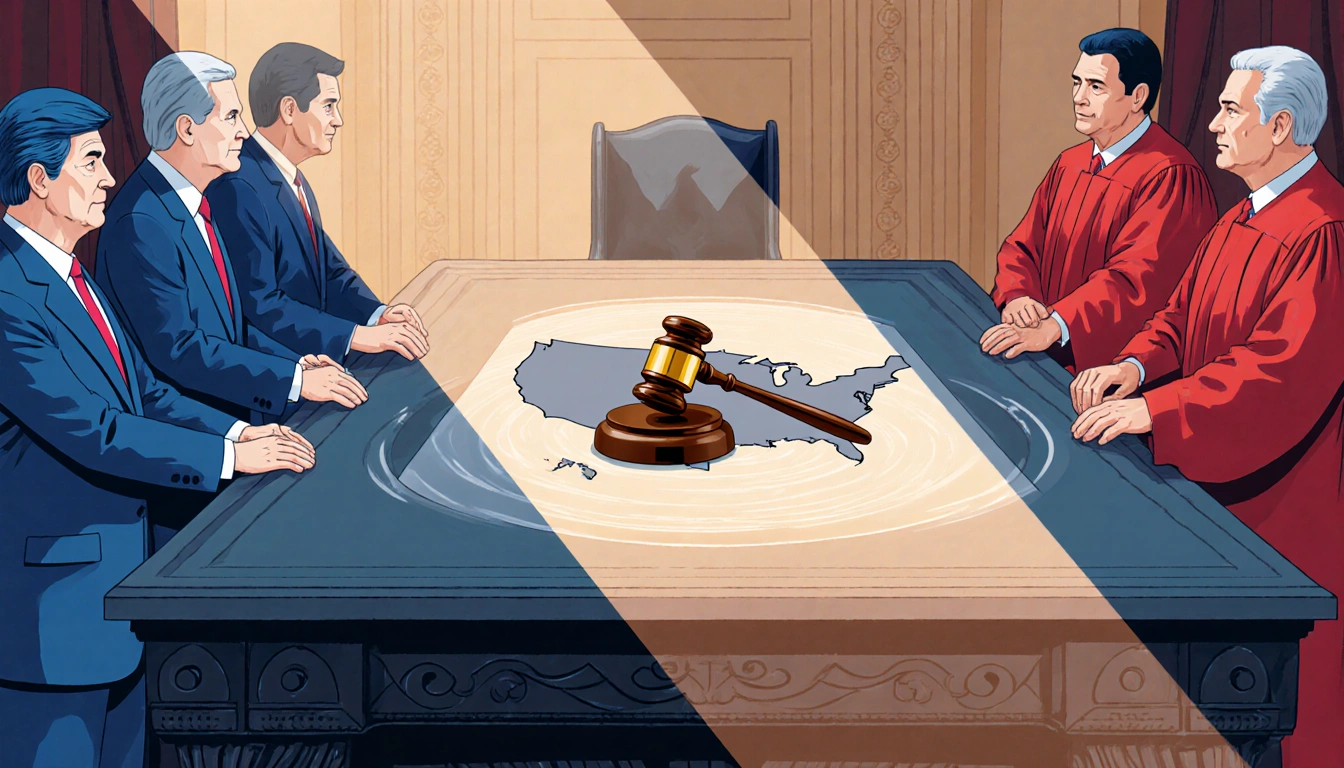
In the lead-up to the 2026 midterms, the Senate battle is widening beyond the four traditional battlegrounds. Both parties are fielding strong candidates and banking on key issues, while primaries threaten to upend the status quo.
Core Four States
Maine
Sen. Susan Collins is the only GOP senator from a state that Vice President Kamala Harris won in 2024. Collins, who won re-election in 2020 by 9 points, has not yet launched her campaign but said at a recent Punchbowl News event:
Sen. Susan Collins stated:
> “I still plan to run for re-election.”
Her opponent will be decided in June. Democratic Gov. Janet Mills faces military veteran Graham Platner in the primary. Mills is seen as the strongest challenger, backed by the Democratic Senatorial Campaign Committee, while Platner, backed by Sen. Bernie Sanders, has faced controversy over a tattoo and past Reddit posts.
North Carolina

The retiring GOP Sen. Thom Tillis is being replaced by former Gov. Roy Cooper (Dem) and former RNC Chair Michael Whatley (Rep). Whatley, endorsed by Trump, faced a last-minute primary challenge from Michele Morrow. Trump carried NC by 3 points in 2024, but Cooper’s popularity and focus on health care could flip the seat.
Georgia
Incumbent Dem Jon Ossoff is the target of a GOP primary featuring Reps. Buddy Carter, Mike Collins, and former coach Derek Dooley (Kemp-endorsed). Trump won Georgia by 2 points in 2024, and Republicans aim to paint Ossoff as far-left progressive.
Michigan
With Dem Sen. Gary Peters retiring, Republicans coalesced around former Rep. Mike Rogers, who lost a close race last year. The Democratic primary pits moderate Rep. Haley Stevens, state Sen. Mallory McMorrow, and progressive physician Abdul El-Sayed against each other, exposing divisions over manufacturing and Israel.
Expanding the Map
Ohio
Former Sen. Sherrod Brown is challenging GOP Sen. Jon Husted in a special election. Brown, who lost re-election by nearly 4 points in 2024, could make the race competitive. Ad spending in the last Senate race exceeded $480 million.
New Hampshire
Sen. Jeanne Shaheen is retiring. GOP leaders back former Sen. John Sununu, who lost to Shaheen in 2008, against Scott Brown. Rep. Chris Pappas is the clear Democratic front-runner.
Texas
The GOP primary involves Sen. John Cornyn, Attorney General Ken Paxton, and Rep. Wesley Hunt. The Democratic primary pits Rep. Jasmine Crockett against Rep. James Talarico.
Iowa
GOP Sen. Joni Ernst is retiring. The Democratic primary includes Rep. Josh Turek, state Sen. Zach Wahls, and veteran Nathan Sage. Republicans coalesced around Rep. Ashley Hinson.
Alaska
Former Rep. Mary Peltola may run against GOP Sen. Dan Sullivan. Sullivan supports extending ACA subsidies for three more years.
Minnesota
The GOP is still deciding on a candidate. Former NFL reporter Michele Tafoya, ex-NBA player Royce White, and retired Navy SEAL Adam Schwarze are contenders. The Democratic primary features Rep. Angie Craig and Lt. Gov. Peggy Flanagan.
Key Takeaways
- The Senate map is expanding beyond the core four states.
- Democrats must win 4 seats, including two Trump-heavy states, to gain control.
- Republicans expect to hold or grow their majority, banking on Trump’s legacy.
As primaries and general-election campaigns unfold, the 2026 Senate race will test both parties’ ability to mobilize voters and navigate the shifting political landscape.