
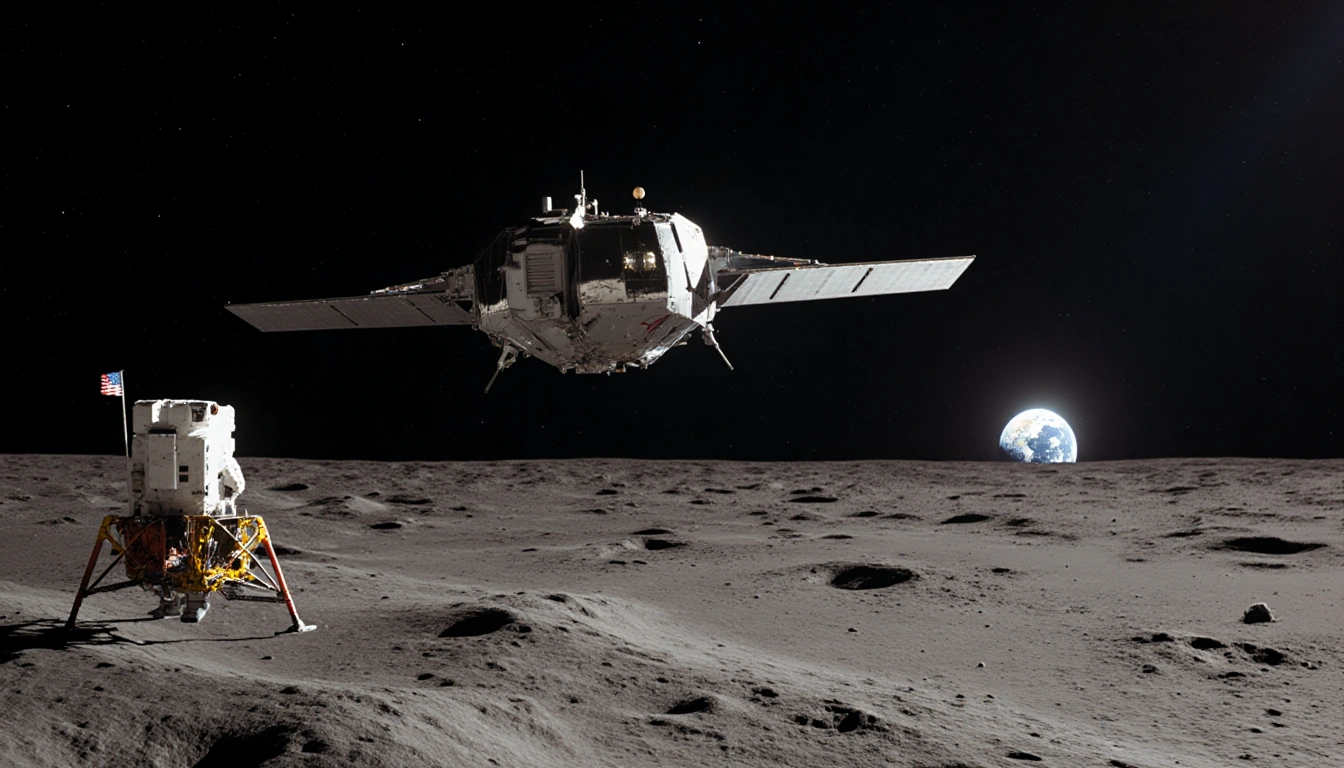

At a Glance
- NASA plans a 2026 moon launch with Artemis II.
- The crew of four will orbit the moon for ~10 days.
- Launch window: February-April 2026, no exact date yet.
Why it matters: This mission will be the first crewed test of the Space Launch System rocket and Orion spacecraft, setting the stage for lunar landings and future Mars missions.
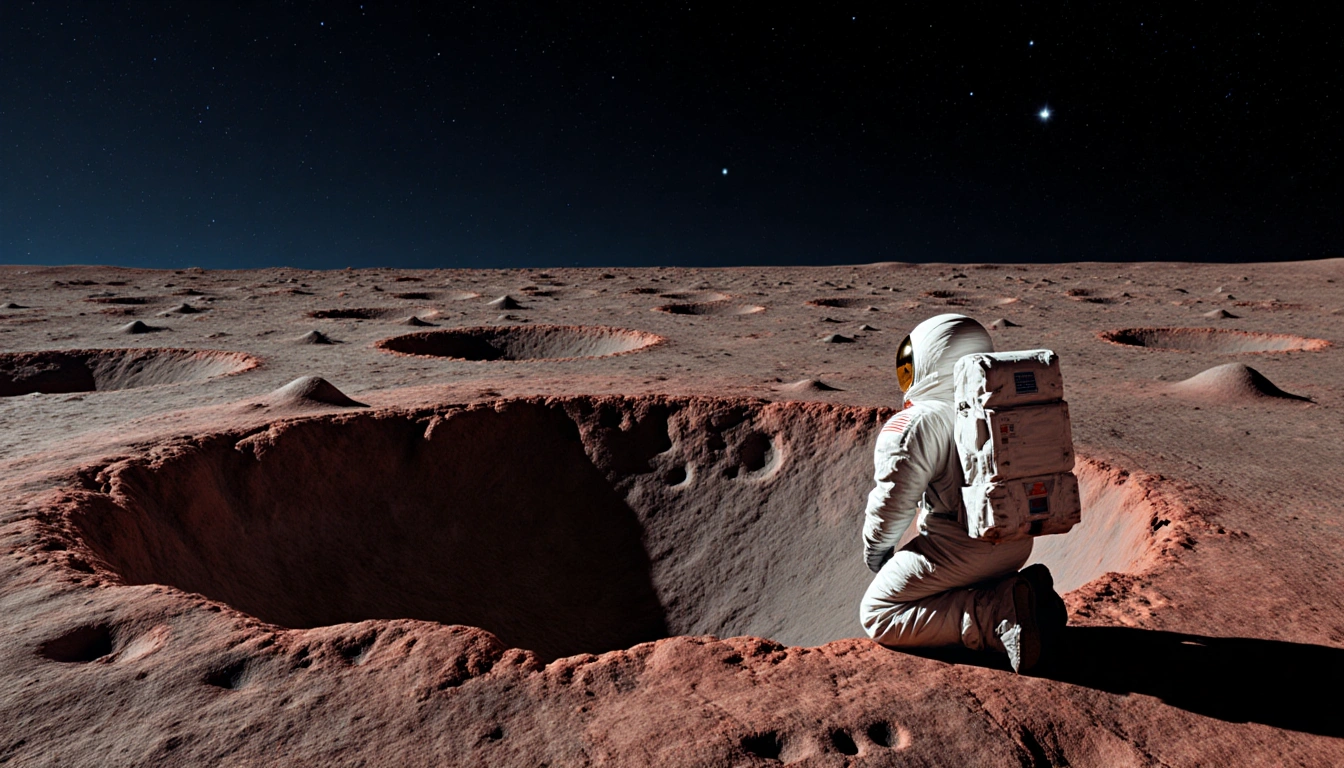
Artemis II is poised to launch as early as February 2026, marking the first time humans will circle the moon in more than 50 years. The four-person crew-NASA astronauts Reid Wiseman, Victor Glover, Christina Koch and Canadian Space Agency astronaut Jeremy Hansen-will conduct a ~10-day orbital flight. The mission will test life-support systems, docking maneuvers and other technologies needed for future lunar landings.
Key Details
- Mission duration: ~10 days
- Crew: Wiseman, Glover, Koch, Hansen
- Launch window: February-April 2026
- Purpose: Test Space Launch System rocket and Orion spacecraft
Artemis II follows the uncrewed Artemis I flight in 2022, which circled the moon for 3½ weeks. The program was revived in 2019 under President Trump and has been delayed multiple times due to budget overruns and technical setbacks. The current administration has emphasized the space race against China, which plans to land astronauts by 2030.
Jared Isaacman stated:
> “Within the next three years, we are going to land American astronauts again on the moon, but this time with the infrastructure to stay.”
Scientists such as Brett Denevi see the mission as a gateway to answer questions about the moon’s formation and water origins. She noted:
> “As you can imagine, lunar scientists have had a lot of pent up questions for decades.”
> “Earth is kind of a terrible record-keeper, but on the moon, you have this terrain that formed about 4.5 billion years ago, and it’s just sitting there on the surface for us to explore.”
The crew’s launch-day rehearsal last weekend involved donning flight suits, boarding Orion and running through the countdown sequence. The Artemis II mission will not land, but it will validate critical systems that will be used in Artemis III, slated for 2027. That mission aims to land four astronauts near the moon’s south pole-a region rich in permanently shadowed craters that may contain water ice.
Casey Dreier of The Planetary Society remarked:
> “There’s a lot riding on this, both good and bad. Everything seems to be coming together, but this is the first time with humans on this rocket, and we’ve never tested this life-support system in space before.”
The Artemis program’s roots trace back to 2010, when NASA began work on a next-generation booster after retiring the Space Shuttle. The Orion spacecraft was originally designed for the Constellation Program under President George W. Bush. In 2028, an executive order from President Trump directed NASA to prioritize a lunar landing.
Artemis II paves the way for Artemis III, which will land near the south pole. Brett Denevi leads the geology team for that flight and is excited to collect new samples from shadowed craters.
Key Takeaways
- Artemis II will be the first crewed test of the Space Launch System rocket and Orion spacecraft.
- The mission will launch between February and April 2026 and last ~10 days.
- The program aims to set the stage for a 2027 lunar landing at the south pole and future Mars exploration.
The upcoming launch marks a pivotal moment in the U.S. space program, potentially redefining humanity’s presence beyond Earth.