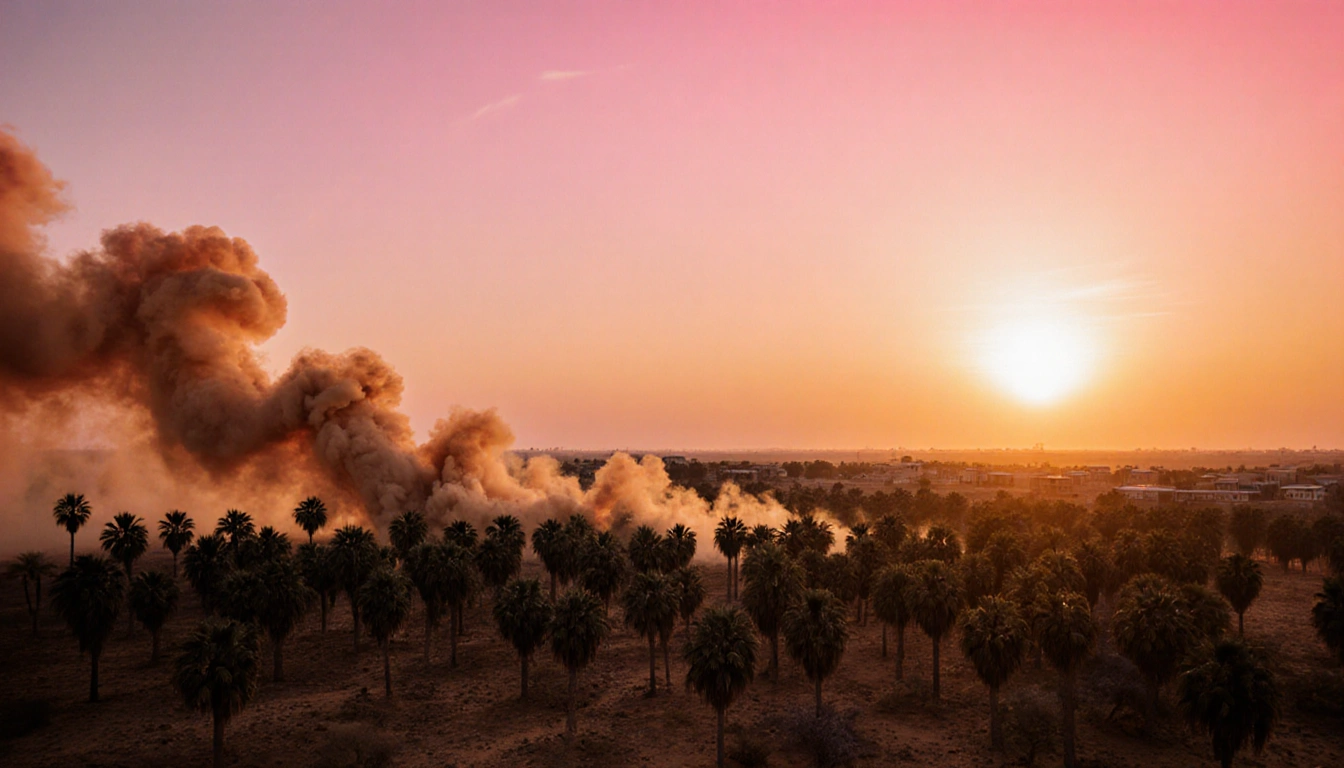

U.S. airstrikes Thursday in Nigeria’s Sokoto state marked a major escalation in the West Africa nation’s long-standing fight against Islamic State affiliates. President Donald Trump posted on social media that the “powerful and deadly” strikes were aimed at IS gunmen “targeting and viciously killing, primarily, innocent Christians.” The Associated Press could not confirm how many militants were hit or the exact damage caused.
U.S. and Nigerian Cooperation
Nigeria said the strikes were part of an exchange of intelligence and strategic coordination with the United States. U.S. Defense Secretary Pete Hegseth added on X that “More to come…” in a post about the airstrikes, signaling ongoing support.
Who Was Targeted?
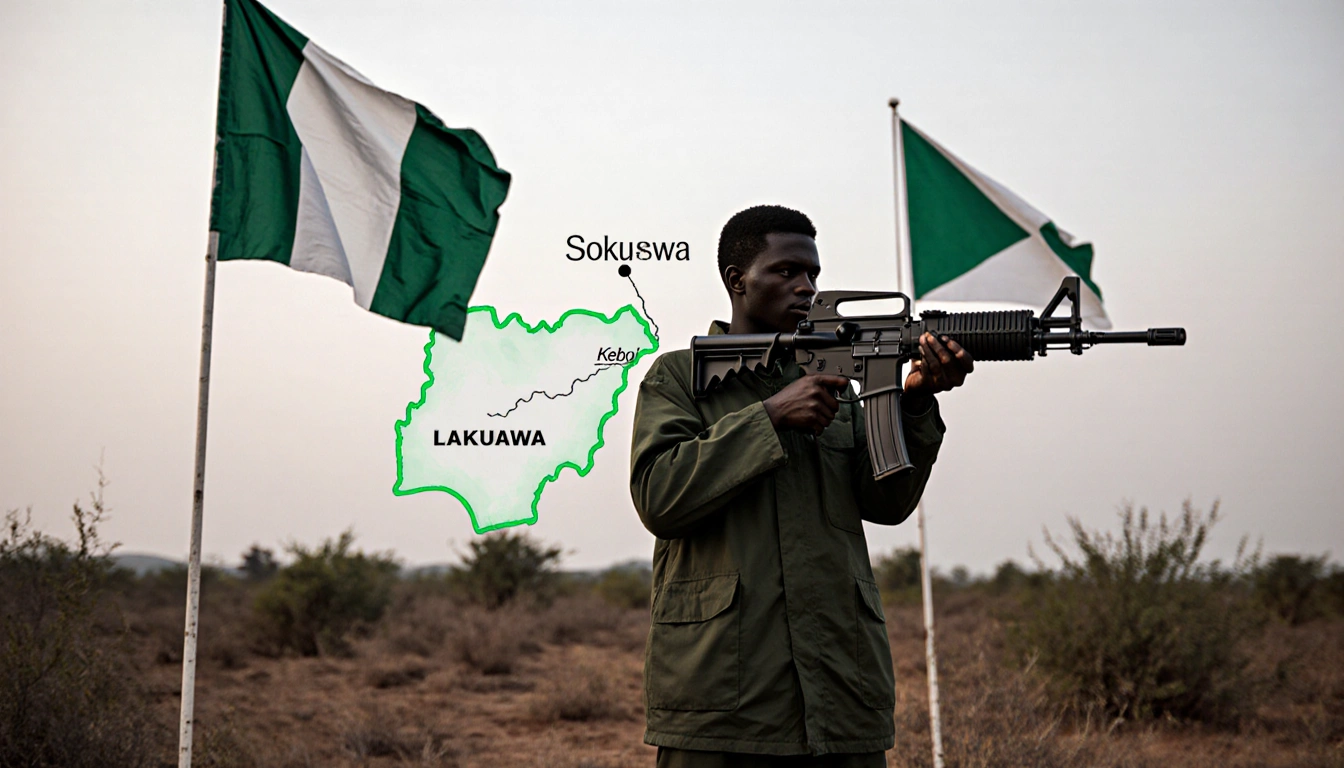
At least two Islamic State-affiliated groups operate in Nigeria: the Islamic State West Africa Province (ISWAP) in the northeast and the Islamic State Sahel Province (ISSP), locally known as Lakurawa, which is prominent in the northwest. Officials did not disclose the exact group hit, but security analysts believe the strikes likely targeted members of Lakurawa, which has become more lethal in border states such as Sokoto and Kebbi over the past year.
The Rise of Lakurawa
Militants called Lakurawa have been active in northwest Nigeria since about 2017, when traditional authorities in Sokoto invited them to protect communities from bandit groups. According to James Barnett, an Africa researcher with the Hudson Institute, “overstayed their welcome, clashing with some of the community leaders … and enforcing a harsh interpretation of Sharia law that alienated much of the rural population.” Malik Samuel, a Nigerian security researcher with Good Governance Africa, added that “Communities now openly say that Lakurawa are more oppressive and dangerous than the bandits they claim to protect them from.” Lakurawa controls territories in Sokoto and Kebbi states and is known for killings, kidnapping, rape and armed robbery.
ISSP’s Low-Profile Expansion
Some attacks attributed to Lakurawa are actually carried out by the Islamic State Sahel Province, which has expanded from Niger’s Dosso region into northwestern Nigeria. The Armed Conflict Location & Event Data Project reports that ISSP “has maintained a low profile, operating covertly to infiltrate and entrench itself along the Niger-Nigeria border, and is now also expanding its operations toward the Beninese border.”
Governance, Not Just Military
The security crisis in Nigeria is rooted more in governance than in military capability. Nigeria’s Minister of Defense, Christopher Musa, once said that “military action is only 30% of what is needed to fix the country’s security crisis, while the remaining 70% depends on good governance.” Samuel notes that the “absence of the state in remote communities is making it easy for non-state actors to come in and present themselves to the people as the best alternative government.”
Strategic Significance of the Strikes
The strikes are widely seen by analysts as crucial help for Nigeria’s overstretched security forces, which are outgunned and fighting multiple crises across the country. In Sokoto, the military often conducts airstrikes against militant hideouts, and Nigeria has embarked on mass recruitment of security personnel. However, analysts warn that such operations are rarely sustained, and militants can quickly relocate on motorcycles through vast forests that connect several northern states. They also frequently use hostages-including schoolchildren-as cover, complicating airstrike efforts.
Key Takeaways
- U.S. airstrikes in Sokoto targeted Islamic State militants, likely members of the Lakurawa group.
- The strikes are part of a broader intelligence-sharing partnership between the U.S. and Nigeria.
- The conflict underscores deep governance gaps, with non-state actors exploiting absent state presence in remote areas.
The U.S. intervention underscores the international community’s willingness to back Nigeria in its fight against extremist groups, even as the nation grapples with systemic governance challenges that fuel the insurgency.