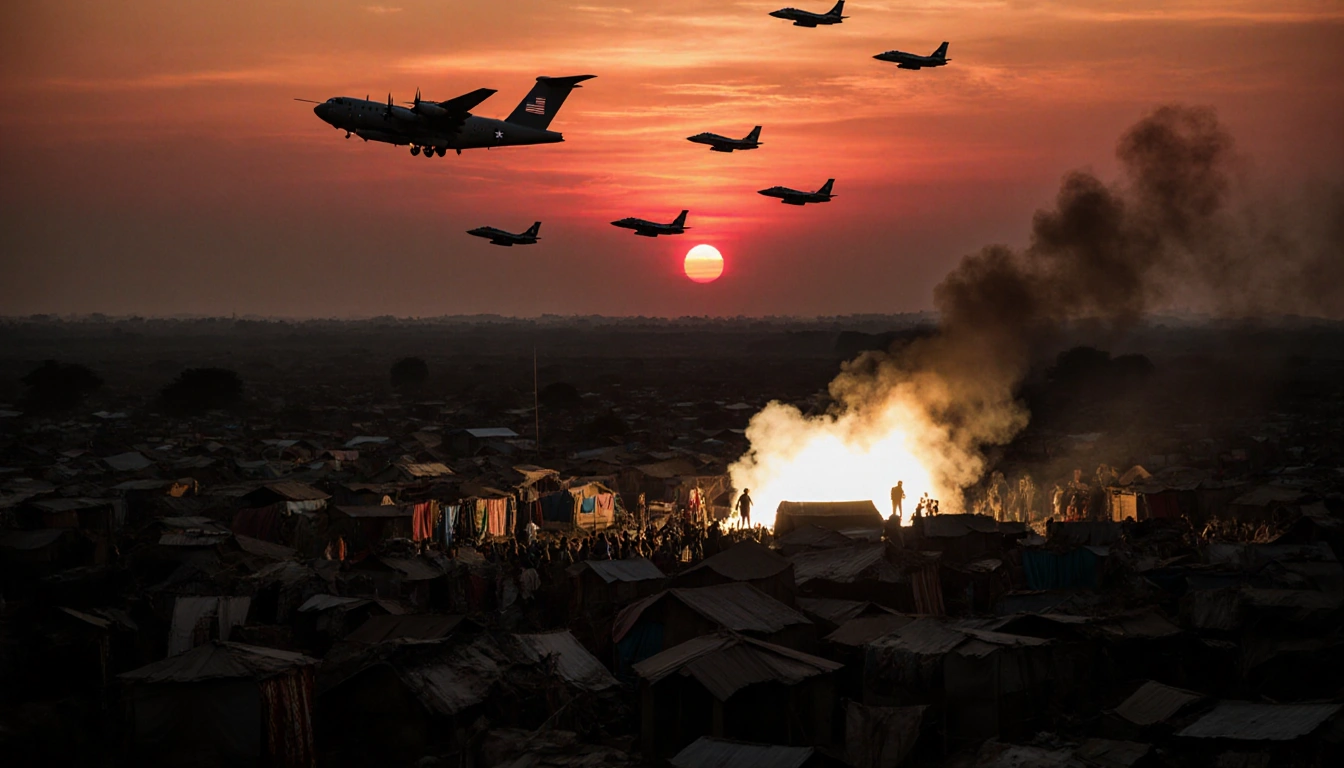
On Thursday, President Donald Trump announced that the United States had carried out a “powerful and deadly” strike against Islamic State forces in Northwest Nigeria, following weeks of criticism of the Nigerian government over Christian persecution.
US Strike and Official Statements
Trump posted a Christmas-evening message on his social media platform, saying, “Tonight, at my direction as Commander in Chief, the United States launched a powerful and deadly strike against ISIS Terrorist Scum in Northwest Nigeria, who have been targeting and viciously killing, primarily, innocent Christians, at levels not seen for many years, and even Centuries!” The post did not provide details about the extent of the damage or the number of casualties.
In response, U.S. Africa Command issued a statement on X that the strikes were conducted “at the request of Nigerian authorities in Soboto State” and had killed “multiple ISIS terrorists.” The command added that the operations “demonstrate the strength of our military and our commitment to eliminating terrorist threats against Americans at home and abroad.”
A Defense Department official, who chose to remain anonymous, said the United States worked with Nigeria to carry out the strikes and that they had been approved by the Nigerian government. The official added that the U.S. had “executed numerous perfect strikes, as only the United States is capable of doing,” and that “our Country will not allow Radical Islamic Terrorism to prosper.”
Nigeria’s Response
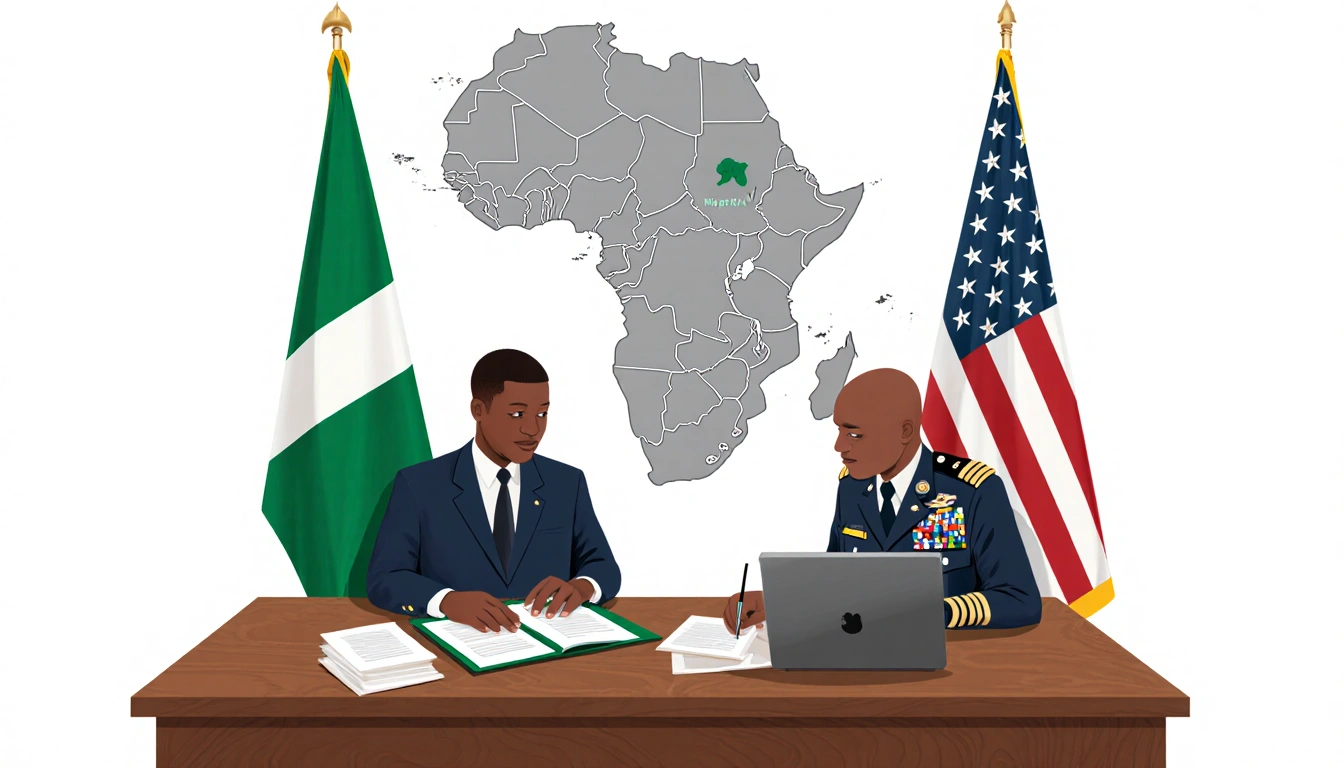
Nigeria’s Ministry of Foreign Affairs released a statement saying the cooperation included exchange of intelligence and strategic coordination “consistent with international law, mutual respect for sovereignty and shared commitments to regional and global security.” The ministry also noted that “Terrorist violence in any form, whether directed at Christians, Muslims or other communities, remains an affront to Nigeria’s values and to international peace and security.”
The Nigerian government has previously said that people of many faiths, not just Christians, have suffered attacks at the hands of extremist groups. In its statement, the ministry reaffirmed its commitment to protecting all citizens from terrorist violence.
Broader US Actions and Policies
Trump had ordered the Pentagon last month to begin planning for potential military action in Nigeria in an effort to curb Christian persecution. The State Department recently announced it would restrict visas for Nigerians and their family members involved in mass killings and violence against Christians. In addition, the United States has designated Nigeria a “country of particular concern” under the International Religious Freedom Act.
Defense Secretary Pete Hegseth posted on X on the same night, saying, “The President was clear last month: the killing of innocent Christians in Nigeria (and elsewhere) must end.” He added, “More to come…Grateful for Nigerian government support & cooperation” before signing off with “Merry Christmas!”
Trump also wrote, “I have previously warned these Terrorists that if they did not stop the slaughtering of Christians, there would be hell to pay, and tonight, there was.” He reiterated that the U.S. military forces are “always ready,” adding that ISIS had “found out tonight – on Christmas.”
Context of Nigerian Security
Nigeria’s population of 220 million is split almost equally between Christians and Muslims. The country has long faced insecurity from various fronts, including the Boko Haram extremist group, which seeks to establish a radical interpretation of Islamic law and has also targeted Muslims it deems not Muslim enough.
Attacks in Nigeria often have varying motives: religiously motivated ones targeting both Christians and Muslims, clashes between farmers and herders over dwindling resources, communal rivalries, secessionist groups, and ethnic clashes. The U.S. security footprint in Africa has diminished, with many military partnerships scaled down or canceled. U.S. forces would likely have to be drawn from other parts of the world for any larger-scale military intervention in Nigeria.
Despite these challenges, Trump has maintained pressure as Nigeria faced a series of attacks on schools and churches that experts and residents say target both Christians and Muslims.
Key Takeaways
- President Trump announced a U.S. strike against ISIS in Northwest Nigeria, citing Christian persecution.
- U.S. Africa Command confirmed the strikes were at Nigerian request and killed multiple ISIS terrorists.
- Nigeria’s Ministry of Foreign Affairs affirmed lawful cooperation and condemned all terrorist violence.
- The United States has taken broader measures, including visa restrictions and a new religious freedom designation.
- Context remains complex, with Nigeria’s security environment shaped by religious, ethnic, and resource-based conflicts.
The announcement underscores the U.S. commitment to countering terrorism in Africa while navigating a multifaceted security landscape in Nigeria.