


A recent survey by the School District of Philadelphia shows residents overwhelmingly favor renovating aging school buildings rather than shutting them down.
Survey Highlights
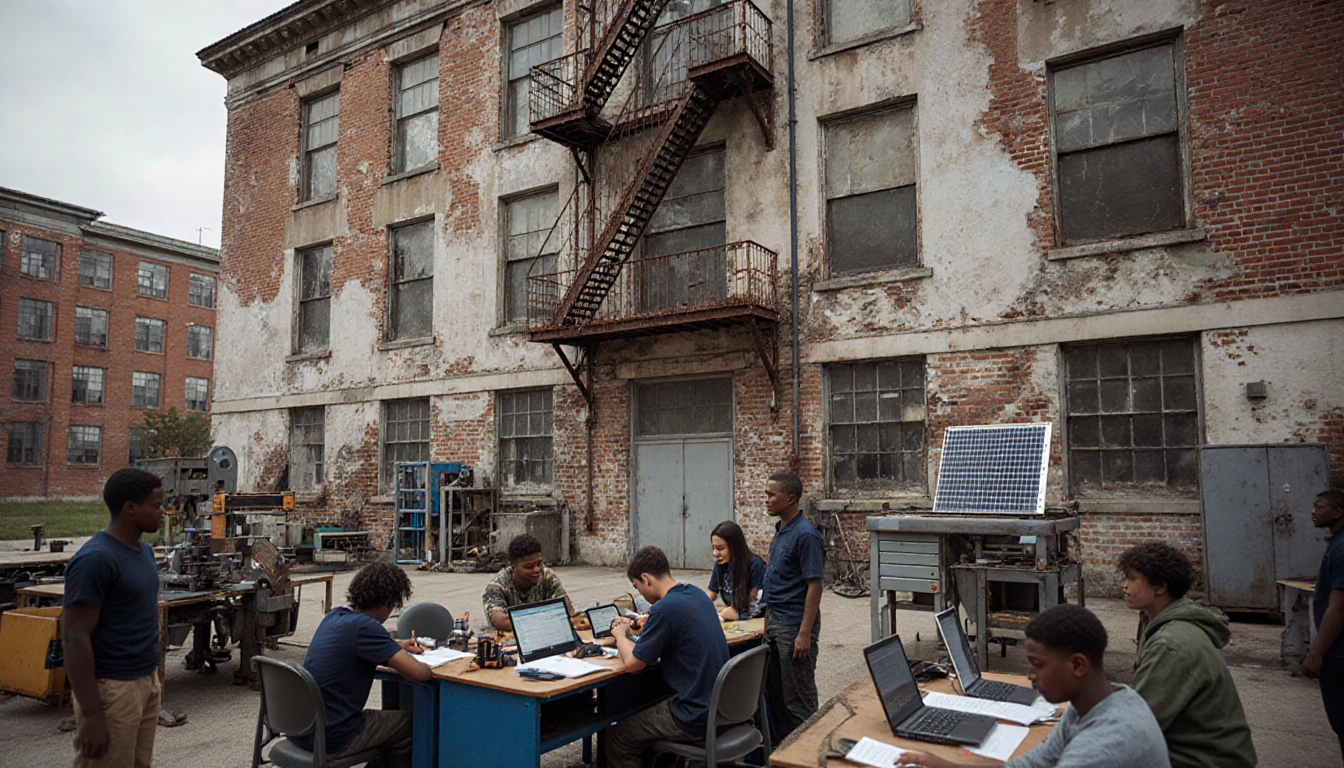
- 81% of respondents felt it was important or very important that Pre-K-8 programming be strengthened through better use of space.
- Calls included updating old facilities, using space more efficiently, reducing class sizes, and expanding arts, music, physical education, home economics, foreign language, extracurriculars, and clubs for all grades.
- Even the 19% who found better use of space somewhat or not important still opposed school closures.
- Many respondents worried that “better use of space” might mean closing schools.
- Commentors noted hardships of closing neighborhood schools, limited transportation, and children walking farther in potentially unsafe areas.
High-School Investment
- 85% of respondents said reinvesting in neighborhood high schools was important or very important.
- They wanted more investment so students wouldn’t travel long distances and sought diverse practical programs, including vocational and trade.
- Respondents also wanted old buildings modernized, HVAC systems fixed, and schools to serve as community anchors with partnerships, increased mental health support, and after-hours community use.
Additional Findings
- 71% wanted unnecessary school transitions reduced for students.
- 75% wanted expanded access to grades 5-12 criteria-based schools.
Next Steps
The district plans to deliver a plan for its aging facilities later this winter. For more information on the overall facilities planning process, click here.
Key Takeaways
- Residents prioritize renovating schools over closures.
- Strong support for better use of space in Pre-K-8 and investment in neighborhood high schools.
- Community concerns include transportation, safety, and the role of schools as community anchors.
Philadelphia residents’ clear preference for renovation over shuttering underscores the need for a comprehensive facilities plan that addresses both educational and community needs.