

When the Conference Board released its December consumer confidence data, the numbers sent a clear message: Americans are growing increasingly uneasy. The index fell to 89.1, a sharp 3.8-point drop from the revised 92.9 in November, and the dip comes amid lingering worries about soaring prices and the ripple effects of President Donald Trump’s sweeping tariffs. The figure sits just above the 85.7 reading recorded in April, the month Trump rolled out his import taxes on U.S. trading partners.
Consumer Confidence Trends
The 89.1 reading represents a decline that mirrors the broader sense of uncertainty in the economy. The Conference Board’s survey also noted that the short-term outlook for income, business conditions and the job market stayed steady at 70.7, yet it remains well below the 80-point threshold that analysts associate with a looming recession. This is the 11th straight month that the index has fallen beneath 80, underscoring a sustained decline in optimism.
Meanwhile, consumers’ assessment of their current economic situation slipped 9.5 points to 116.8, a drop that signals growing concerns about the cost of living. Write-in responses from the survey highlighted that prices and inflation remain the biggest worries for households, with tariffs also featuring prominently on the list of anxieties. These sentiments illustrate how the cost of goods and the trade policy environment are shaping everyday financial decisions.
Impact of Tariffs and Inflation
Trump’s tariff strategy has become a focal point for many Americans. During the press Q&A on Monday, the president announced a plan to distribute $2,000 dividends from tariff revenue to citizens, a proposal that administration officials said is not yet formally sent to the Senate. Although the policy has not yet been legislated, it has already sparked debate about its potential to offset the higher prices many consumers face.
Labor Market and Job Numbers
Job market perceptions have also shifted. According to the Conference Board, only 26.7% of respondents said jobs were plentiful, down from 28.2% in November, while 20.8% said jobs were hard to get, up from 20.1% last month. These changes reflect a tightening labor environment amid broader economic uncertainty.
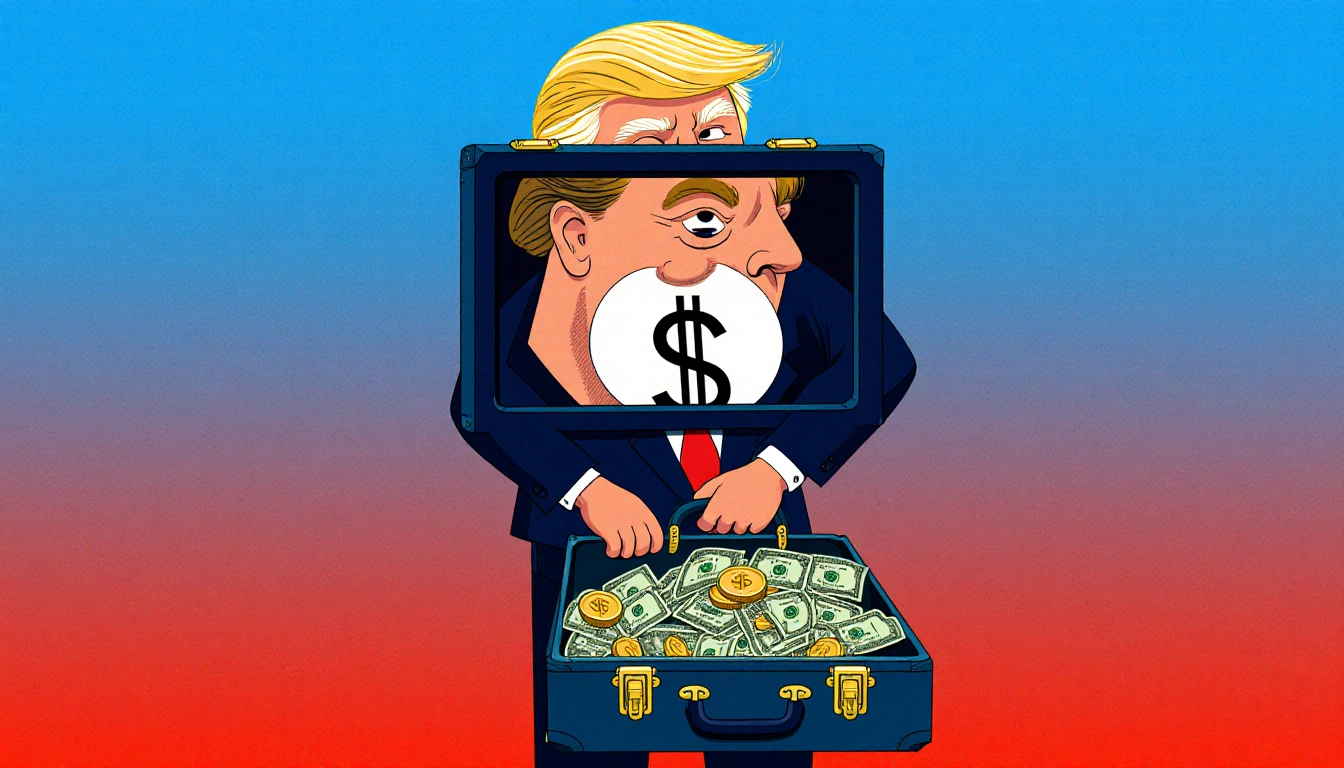
Official employment data add context to these perceptions. The government reported that the U.S. economy added 64,000 jobs in November but shed 105,000 in October. The unemployment rate climbed to 4.6% in November, the highest level since 2021, indicating that the labor market remains fragile.
Economists describe the current labor market as a “low hire, low fire” state, with businesses holding off on hiring and layoffs due to uncertainty over tariffs and elevated interest rates. Since March, monthly job creation has averaged 35,000, compared with 71,000 in the year that ended in March. Fed Chair Jerome Powell recently remarked that he suspects these numbers may be revised even lower.
Outlook and Government Comments
The combination of high prices, tariff uncertainty, and a sluggish labor market paints a cautious picture for consumers. While the administration’s dividend proposal could provide some relief, its impact remains to be seen until it reaches the Senate and, ultimately, the public. For now, Americans must navigate a landscape marked by inflationary pressures and a trade policy that continues to evolve.
Key Takeaways
- Consumer confidence fell to 89.1 in December, a 3.8-point drop from revised 92.9 in November.
- High prices, inflation, and tariffs are the top concerns for consumers.
- The labor market remains fragile, with unemployment at 4.6% and job growth slowing to an average of 35,000 per month since March.
Overall, the December consumer confidence data underscore a growing unease among households as they grapple with rising costs and a trade environment that feels unpredictable. The dip in optimism, coupled with a tight labor market and an uncertain policy outlook, suggests that many Americans are bracing for continued challenges in the months ahead.