
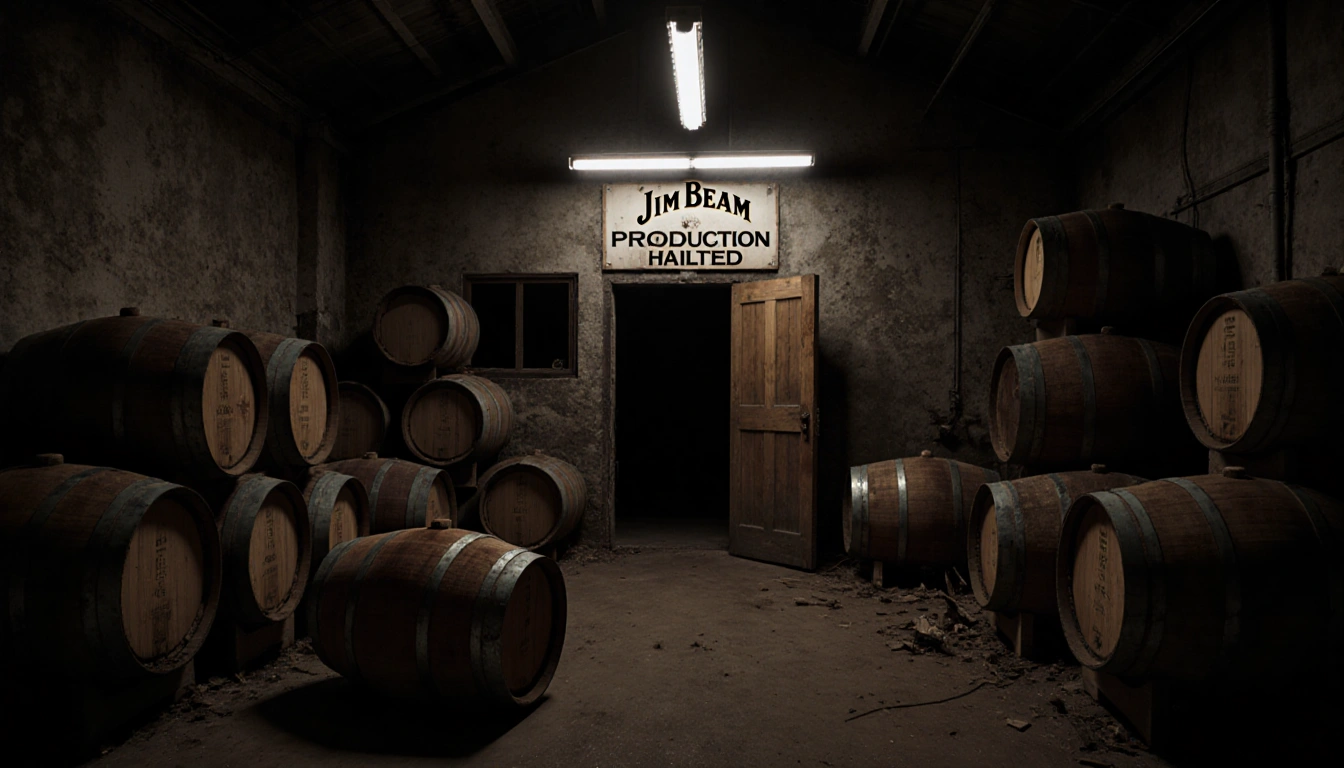

Jim Beam pauses bourbon production at its Clermont distillery for at least a year amid tariff pressures and falling demand, keeping bottling sites open.
Production Halt at Clermont
Jim Beam announced that bourbon making at its Clermont, Kentucky, location will stop in 2026 for a minimum of one year. The decision is intended to allow the company to invest in improvements to the distillery. The pause does not affect the site’s bottling and warehouse operations.
Visitor Center and Restaurant Stay Open
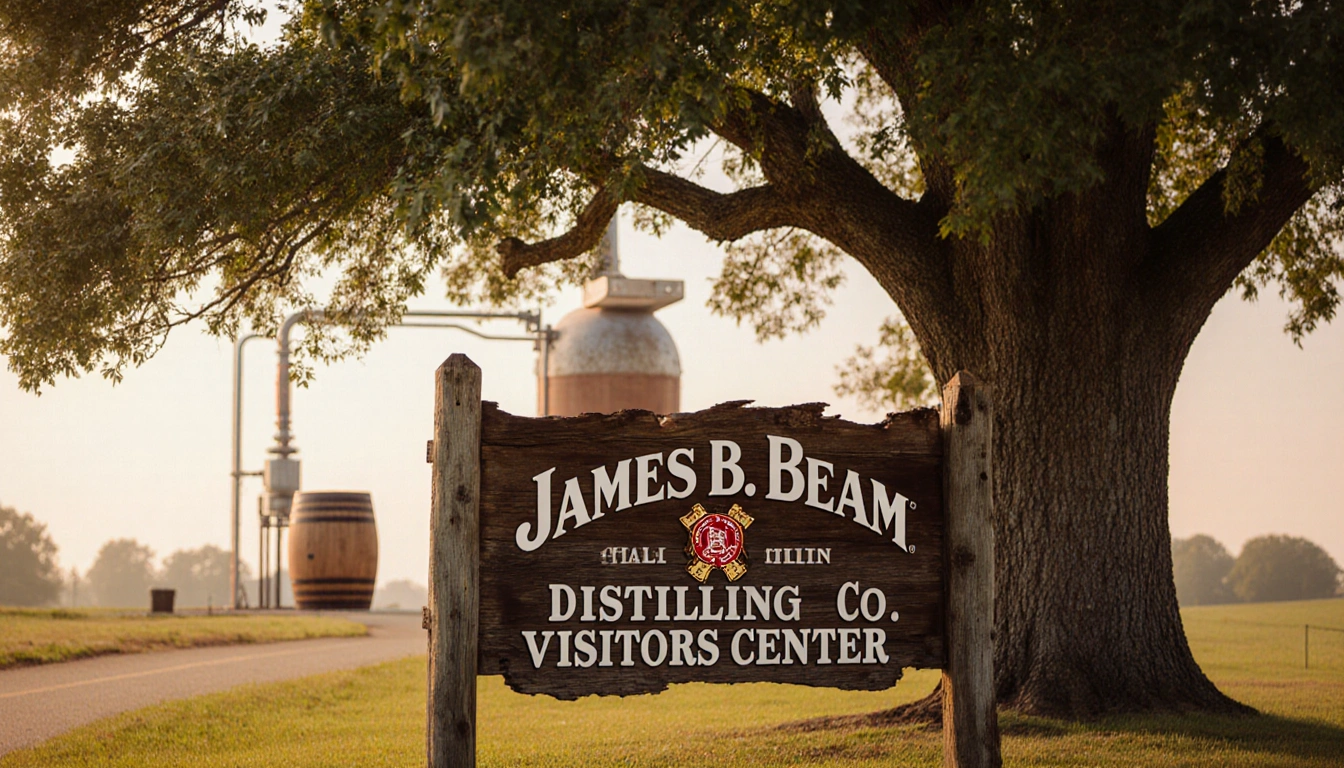
Although distillation will cease, the James B. Beam Distilling Co. visitors center and on-site restaurant will remain open to the public. These facilities continue to welcome tourists and bourbon enthusiasts.
Boston Distillery Remains Active
The company’s larger distillery in Boston, Kentucky, will keep operating normally. Production at that site will not be affected by the Clermont pause.
Company Statement on Demand
“We are always assessing production levels to best meet consumer demand,” the company said in a statement. It added that it is speaking with the distillery’s union about potential layoffs or other reductions.
Union Discussions
Jim Beam is negotiating with the Clermont distillery’s union representatives. The talks focus on whether layoffs or other workforce adjustments will be necessary during the production halt.
Tariff Challenges in Europe
Whiskey makers face ongoing disputes over tariffs in Europe. The U.S. has engaged in back-and-forth arguments about these duties.
Canadian Boycott Over Trump’s Proposal
A boycott began in Canada after President Trump suggested annexing the country into the United States. The proposal triggered tariff concerns for Canadian imports.
Exports Decline in 2025
Overall exports of American spirits fell 9% in the second quarter of 2025 compared with the same period a year earlier, according to the Distilled Spirits Council of the United States.
Sharp Drop in Canadian Exports
The most dramatic decrease was in U.S. spirits exports to Canada, which fell 85% in the April-through-June quarter.
Aging Requirements for Bourbon
Bourbon makers must age their product in barrels for at least four years before bottling. This long maturation period influences production schedules.
Growth in Bourbon Production
Bourbon production has grown significantly in recent years. As of January, there were about 16 million barrels of bourbon aging in Kentucky warehouses.
Triple Increase Over 15 Years
The 16 million barrels represent more than triple the amount held 15 years ago, according to the Kentucky Distillers’ Association.
Declining Consumption in the U.S.
Sales figures and polling indicate that Americans are drinking less bourbon than they have in decades.
Kentucky’s Dominance in Bourbon Production
About 95% of all bourbon made in the United States comes from Kentucky. The trade group estimates the industry provides more than 23,000 jobs and $2.2 billion to the state.
Trump’s 200% Tariff on European Alcohol
President Donald Trump declared a 200% tariff on all European alcoholic beverages. The announcement has caused anxiety among South Florida liquor and wine sellers.
Impact on South Florida Sellers
South Florida sellers are concerned about the potential increase in costs for imported alcoholic beverages. The tariff could affect the availability of European products.
Key Takeaways
- Jim Beam will pause bourbon production at its Clermont distillery for at least a year to invest in improvements.
- The company’s larger Boston distillery will continue operating, and bottling and visitor sites remain open.
- U.S. spirits exports fell 9% in Q2 2025, with Canadian exports dropping 85%.
Jim Beam’s decision reflects broader industry challenges, including tariff disputes and a shift in consumer demand. The company’s focus on maintaining operational continuity while addressing long-term investment needs highlights the delicate balance faced by bourbon producers in a changing market.