

A Wisconsin jury found Circuit Judge Hannah Dugan guilty of obstruction after a trial that has become a focal point in the national debate over immigration enforcement.
Jury Finds Judge Guilty of Obstruction
The jury returned a verdict on Thursday, convicting Dugan on the felony obstruction count while acquitting her on the misdemeanor concealment charge. The decision came after six hours of deliberation.
Charges and Sentencing
Federal prosecutors had charged Dugan with obstruction of justice and with concealing an individual to prevent arrest. The obstruction charge carries up to five years in prison, while the concealment charge is a misdemeanor. Dugan faces a potential five‑year sentence on the obstruction count, although no sentencing date has yet been set.
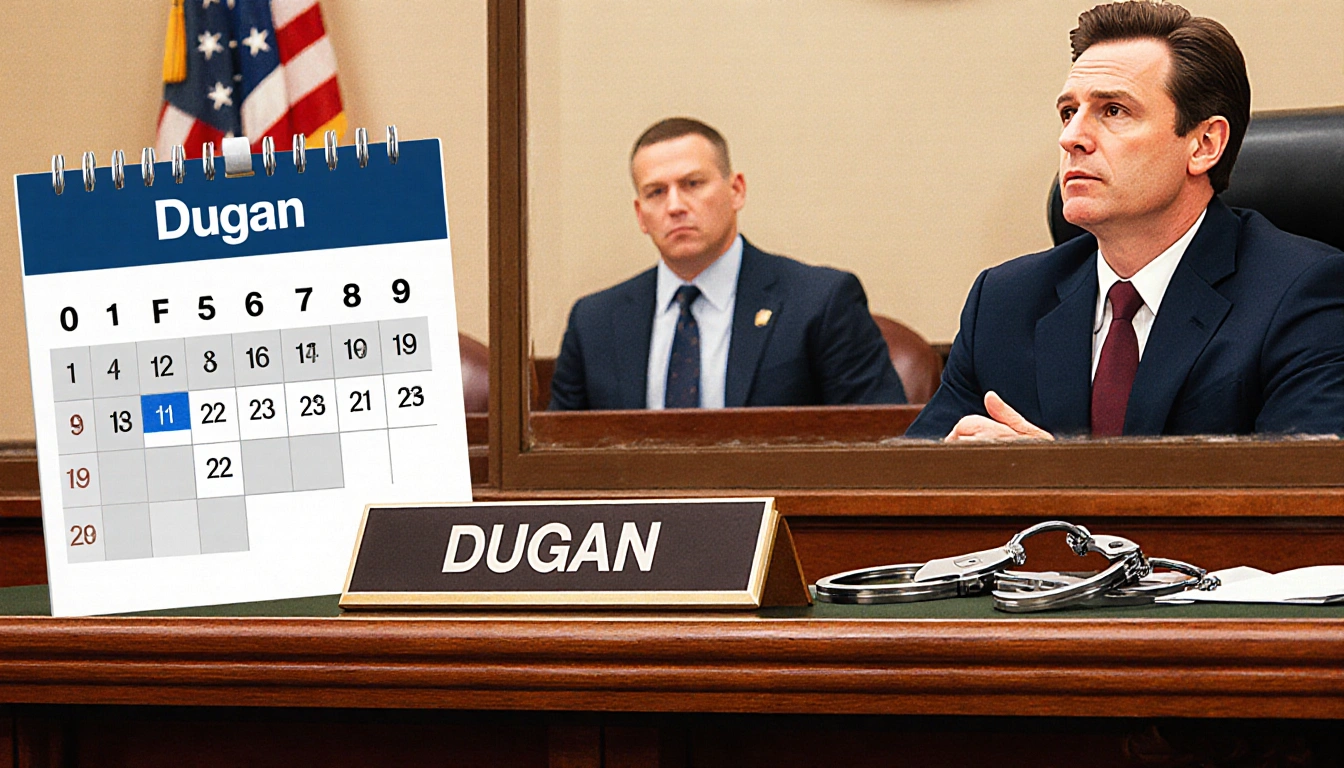
Trial and Evidence
The case has intensified tensions over President Donald Trump’s immigration crackdown, with the administration labeling Dugan an activist judge and Democrats arguing the government is using the case to silence judicial dissent. After the verdict, Dugan and her attorneys left the courtroom, entered a side conference room, and closed the door without speaking to reporters. Lead attorney Steve Biskupic expressed disappointment, saying the jury’s split verdict was hard to understand given the similarity of the charges.
Reactions from Officials
U.S. Attorney Brad Schimel denied that the case was political and urged calm. He stated that courthouse arrests are safer because individuals are screened for weapons and that law enforcement has no unfair advantage in arresting wanted persons in courthouses. ”While this case is serious for all involved, it is ultimately about a single day, a single bad day, in a public courthouse. The defendant is certainly not evil. Nor is she a martyr for some greater cause.”
U.S. Deputy Attorney General Todd Blanche praised the verdict on X, saying, ”Nobody is above the law, even judges.”
Background of the Arrest
The arrest that sparked the trial began on April 25 when FBI agents seized Dugan in the Milwaukee County Courthouse parking lot. The agents had arrived on April 18 after learning that 31‑year‑old Eduardo Flores‑Ruiz had reentered the United States illegally and was scheduled to appear before Dugan for a state battery hearing. During the hearing, Dugan learned that agents were waiting outside her courtroom. She left the courtroom to confront them, falsely telling them that their administrative warrant was insufficient to arrest Flores‑Ruiz and directing them to the chief judge’s office. While the agents were gone, Dugan addressed Flores‑Ruiz’s case off the record, told his attorney he could attend his next hearing via Zoom, and led Flores‑Ruiz and the attorney out a private jury door. The agents later spotted Flores‑Ruiz in the corridor, followed him outside, and arrested him after a foot chase. The U.S. Department of Homeland Security announced in November that Flores‑Ruiz had been deported.
Key Takeaways
- Judge Hannah Dugan was convicted of obstruction, faces up to five years in prison.
- The case highlights clashes between federal immigration enforcement and state judicial officers.
- The trial included testimony that Dugan directed agents away from a defendant, leading to his escape and subsequent arrest.
The verdict underscores the ongoing legal battles over the limits of judicial authority in immigration matters and the broader national debate about enforcement tactics.