


Powerball’s jackpot climbs to $1.5 billion after a Wednesday draw with no winner, marking the 44th drawing since September 6. Winners took home $2 million each.
Jackpot Continues to Build
The Wednesday Powerball drawing, held at 10:59 p.m. ET, added another $250 million to the prize fund, bringing the estimated jackpot to $1.5 billion. The winning numbers were announced as 25, 33, 53, 62, 66, with a red Powerball of 17 and a 4× Power Play multiplier. No ticket matched all six numbers, so the jackpot rolled over.
The growth of the prize has attracted attention from players across the country. The $1.5 billion figure is now the fifth‑largest jackpot ever drawn by Powerball and the seventh‑largest among U.S. lottery jackpots.
Record‑Breaking Drawing Count
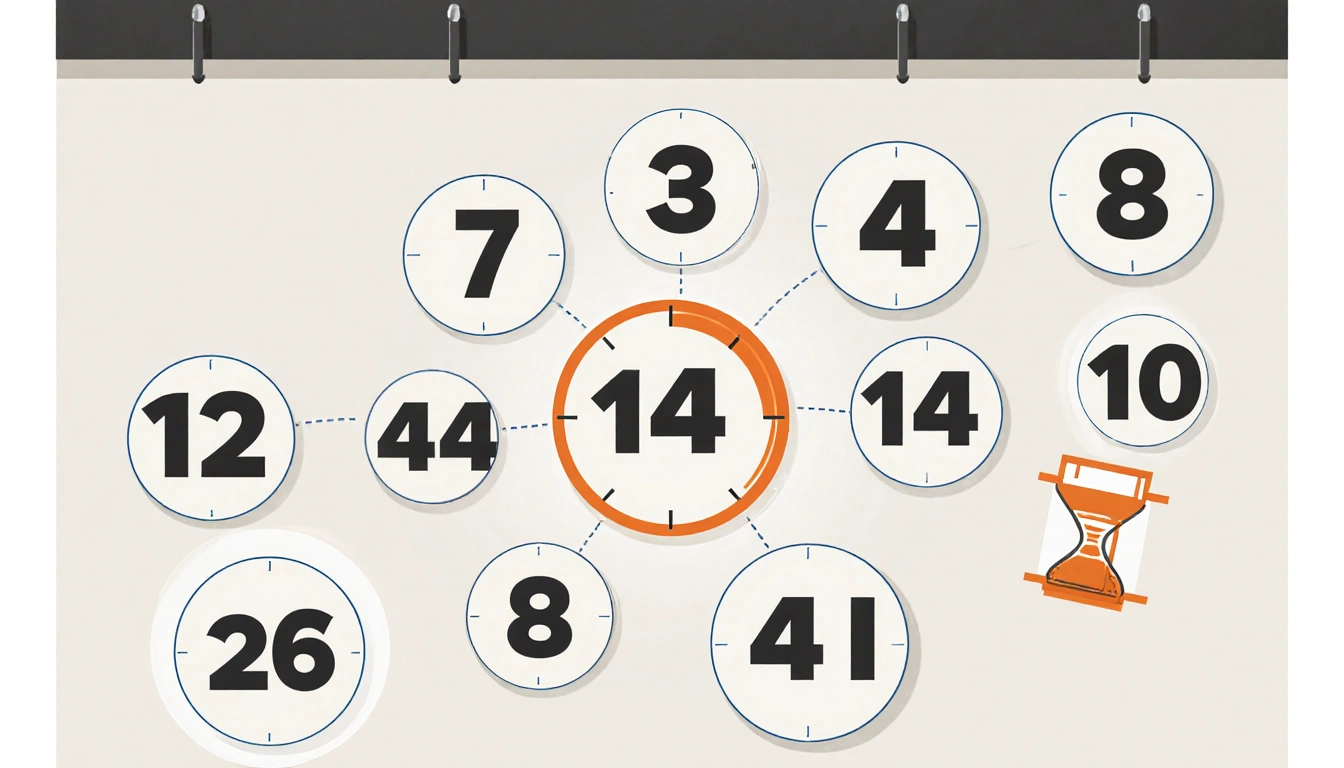
Wednesday’s event marked the 44th drawing since the last jackpot was claimed on September 6. This is the highest number of drawings in a single jackpot cycle since Powerball began in 1992. The previous record was 42 drawings, set in 2015. The record‑breaking streak highlights how rare it is for a Powerball ticket to hit the top prize.
The odds of matching all six numbers plus the Powerball are 1 in 292.2 million, making each draw a high‑stakes gamble for participants.
Minor Winners
Although no jackpot winner emerged, several players still walked away with significant prizes. Two tickets sold in Arizona and Massachusetts matched five numbers and the Power Play, earning $2 million each. Additionally, six tickets matched five numbers without the Power Play, receiving $1 million each. Those tickets came from three locations in New York and one each in Connecticut, Pennsylvania, and Tennessee.
These smaller wins demonstrate that even when the top prize remains unclaimed, Powerball still offers substantial rewards for near‑hits.
How Powerball Works
Powerball is played in 45 states, Washington, D.C., Puerto Rico, and the U.S. Virgin Islands. Players choose five numbers from 1 to 69 and a Powerball number from 1 to 26. Tickets cost $2 each and are sold at authorized retailers. Drawings occur three times a week—Monday, Wednesday, and Saturday—at 10:59 p.m. ET. The results are streamed live on Powerball.com, allowing fans to watch the numbers reveal in real time.
The Power Play option, available for an additional $1 per ticket, multiplies non‑jackpot prizes by 2, 3, 4, or 5 depending on the drawing. In the Wednesday draw, the multiplier was 4×, which increased the value of the five‑number wins.
What Happens When No Winner
When a Powerball drawing produces no jackpot winner, the prize rolls over to the next drawing. The accumulated amount is added to the base jackpot and can grow to record sizes, as seen with the current $1.5 billion figure. The money that accumulates in this way is eventually awarded to the next ticket that matches all six numbers and the Powerball.
The absence of a winner also means that the prize money does not go to the state or federal governments; instead, it remains part of the lottery’s prize pool until a winner is found.
Key Takeaways
- The Wednesday Powerball jackpot reached $1.5 billion, the fifth‑largest ever.
- It is the 44th drawing since the last jackpot, breaking the previous record of 42.
- Two tickets in Arizona and Massachusetts won $2 million each with the Power Play; six others won $1 million.
- Odds of winning the jackpot are 1 in 292.2 million.
- Powerball drawings occur Monday, Wednesday, and Saturday at 10:59 p.m. ET and are streamed live.
The continued growth of the Powerball jackpot keeps the national lottery in the spotlight, offering players a chance—albeit slim—to win a life‑changing sum. Until a ticket matches all six numbers, the prize will keep expanding, and the excitement will carry on for the next drawing.