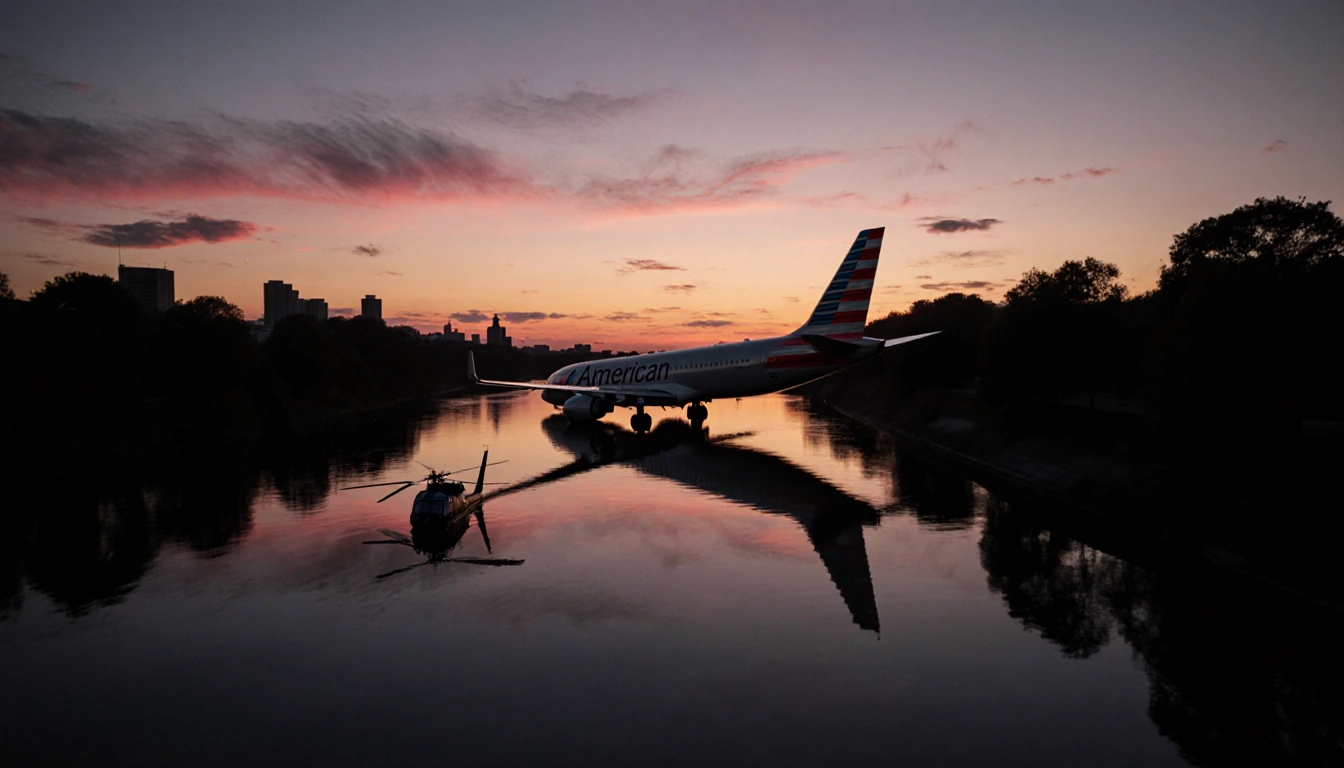

In a stark admission, the United States government conceded responsibility for the midair collision that unfolded over the Potomac River on January 29, 2025, killing 67 people aboard an American Airlines flight and a U.S. Army Blackhawk helicopter.
Government Admission of Fault
The court filing, released Wednesday night, states that the United States “owed a duty of care to Plaintiffs, which it breached, thereby proximately causing the tragic accident on January 29, 2025.” The admission follows a month‑long investigation into the circumstances that led to the fatal collision.
Complexity of the Airspace
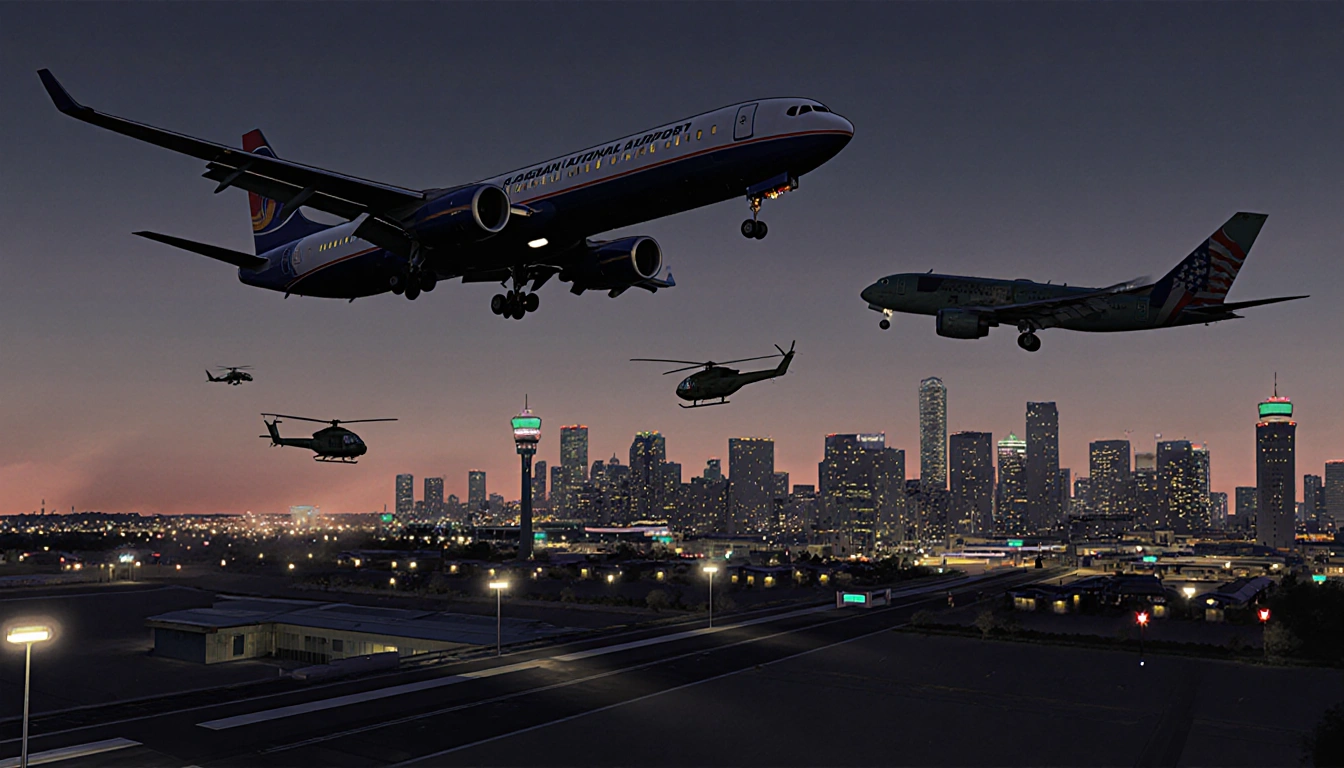
Pilots operating in the vicinity of Reagan National Airport (DCA) have long warned about the intricate airspace, where commercial airliners and military helicopters often share the same corridor. The filing notes that city lights can obscure visibility, further complicating navigation during nighttime operations.
Lawsuit Filed by a Victim’s Family
The lawsuit, brought by Rachel Crafton, widow of Casey Crafton, was filed in September. It alleges that the United States, American Airlines, and PSA Airlines, which operated Flight 5342, failed to heed warning signs after more than 30 near‑collisions in the DCA area. This case marks the first legal action taken by a family member of a crash victim.
Allegations of Knowledge and Negligence
Crafton’s complaint asserts that the defendants “knew, or should have known, that AE5342 was transiting one of the busiest airspaces in the United States, and that the airport approaches presented certain safety risks, specifically the possibility of a mid‑air collision.” The lawsuit further contends that these risks required vigilant monitoring and analysis.
Record of Near‑Miss Events
According to the filing, the DCA region had experienced a substantial number of near‑miss incidents. Defendants were required to analyze these events to prevent a collision, yet the lawsuit claims they did not exercise the necessary caution when operating near the airport.
Army Helicopter Crew Negligence
The 209‑page answer admits that the Army crew negligently failed to establish and maintain proper visual separation from the American Airlines flight. It also states that the crew did not recognize the collision course or take evasive action, contributing directly to the tragedy.
Flight Route and Altitude Violations
The filing further details that the helicopter flew off its designated route toward the center of the Potomac River at an altitude deemed too high for the situation. This deviation from the prescribed flight path is presented as a key factor in the collision.
Air Traffic Control Compliance Issues
While the U.S. government acknowledges certain shortcomings, it argues that the actions of air traffic controllers were not a cause of the crash. The filing points out that the local DCA controller did not comply with an FAA rule requiring the informing of aircraft about converging traffic and the application of visual separation.
Counterclaim of Non‑Liability
Despite admitting fault, the government maintains that it cannot be held liable because the alleged negligent acts were not a cause‑in‑fact or proximate cause of the accident. This stance underscores the complexity of assigning blame in a multi‑agency aviation environment.
Anticipated NTSB Report
The National Transportation Safety Board is expected to issue its formal report on the cause of the crash next year. The report will likely provide a comprehensive analysis of all contributing factors, including pilot error, air traffic control procedures, and aircraft performance.
Key Takeaways
- The U.S. government has formally admitted fault for the January 29, 2025 collision that killed 67 people.
- A lawsuit filed by a victim’s widow alleges negligence by the government, American Airlines, and PSA Airlines after numerous near‑miss incidents.
- The Army helicopter crew is cited for failing to maintain visual separation, recognize a collision course, and take evasive action.
The admission and lawsuit highlight the urgent need for improved safety protocols in the congested airspace around Reagan National Airport. Families of the victims now have a legal avenue to seek damages, while investigators continue to dissect the chain of events that led to the tragedy.