
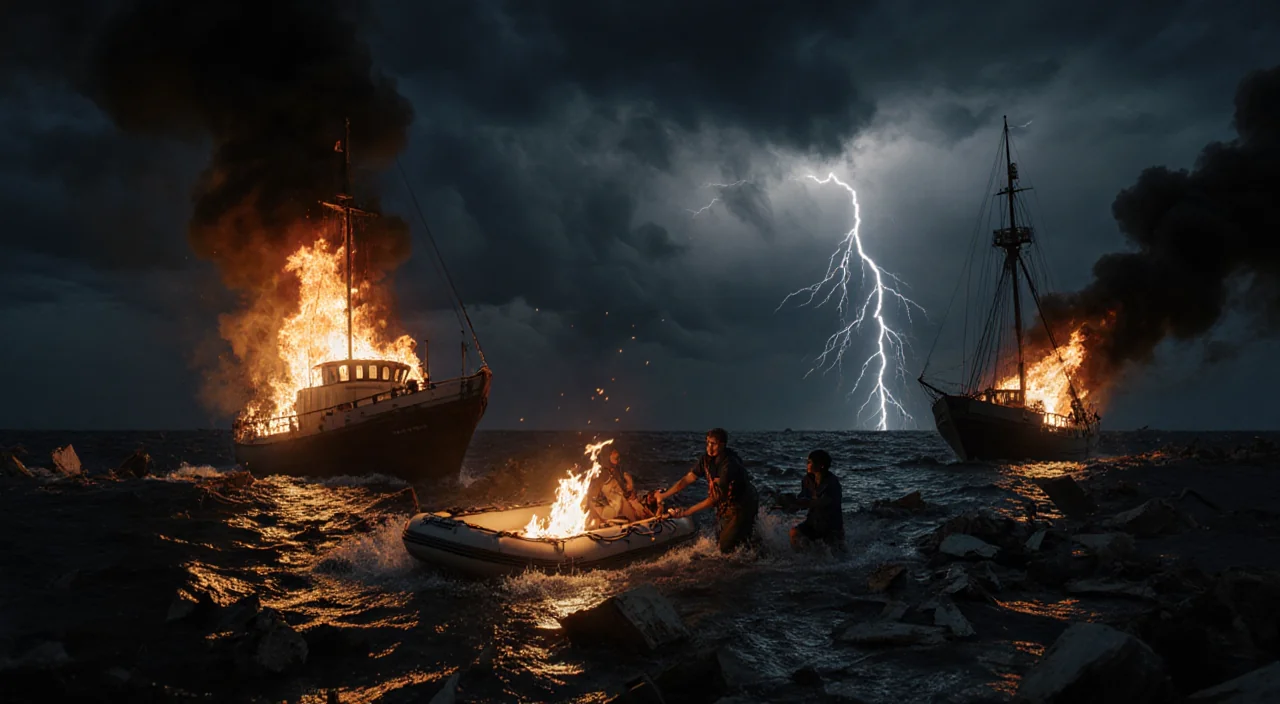
The U.S. military announced on Monday that it had struck three vessels in the eastern Pacific Ocean, killing a total of eight people. The attacks were said to target “designated terrorist organizations,” with casualties reported as three in the first boat, two in the second, and three in the third.
The military statement did not provide evidence that the vessels were smuggling drugs, yet it posted a video showing a boat moving through water before exploding. The clip was shared on the Department’s social media channels, offering visual confirmation of the strike but no proof of illicit cargo.
President Donald Trump has defended the campaign as a necessary escalation to curb the flow of drugs into the United States. He has also declared that the United States is engaged in an “armed conflict” with drug cartels, framing the strikes as part of a broader counter‑drug strategy.
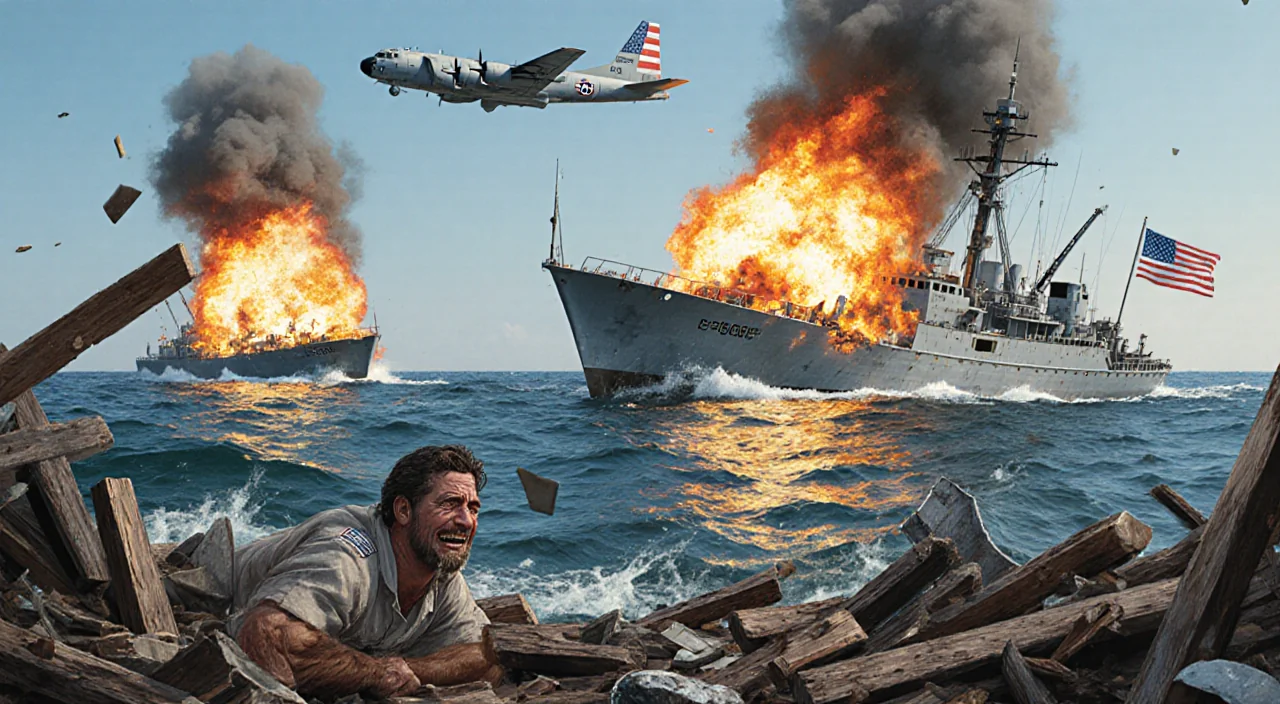
Congressional scrutiny has intensified as lawmakers question the legality and effectiveness of the boat strike campaign. According to the military, at least 95 people have been killed in 25 known strikes since early September, a figure that has raised concerns about civilian casualties.
A follow‑up strike further complicated the situation, as it killed two survivors who were clinging to the wreckage of a boat after the initial hit. The incident was reported by the military and has added to the debate over the use of force in maritime operations.
The latest strikes come on the eve of briefings on Capitol Hill for all members of Congress. Lawmakers are expected to ask hard questions about the campaign’s scope, targets, and oversight mechanisms.
Defense Secretary Pete Hegseth, Secretary of State Marco Rubio, and other top national security officials are slated to provide closed‑door briefings to members of the House and Senate. Their presentations will address operational details and policy justifications for the ongoing maritime strikes.
The campaign has also increased pressure on Venezuelan President Nicolás Maduro, who has been charged with narcoterrorism in the United States. In a sharp escalation last week, U.S. forces seized a sanctioned oil tanker that the Trump administration accused of smuggling illicit crude.
Maduro has insisted that the real purpose of the U.S. military operations is to force him from office, a claim that the administration has denied. The seizure of the tanker was publicly announced by the U.S. military, reinforcing the administration’s stance on combating drug trafficking.
The U.S. military has built up its largest presence in the region in decades, launching a series of deadly strikes on alleged drug‑smuggling boats in the Caribbean Sea and eastern Pacific Ocean. Trump has hinted that land attacks are coming soon, though he has not released details on the locations or targets.
Key Takeaways
- Three boats were struck in the eastern Pacific, killing eight people.
- The military posted a video of a boat exploding but offered no evidence of drug smuggling.
- Congress is demanding briefings as the campaign has killed at least 95 people in 25 strikes.
- The administration faces scrutiny over its intensified pressure on Venezuela and the seizure of a tanker.
The situation remains fluid as the Trump administration prepares to answer congressional questions and as the military continues to conduct operations aimed at disrupting alleged drug‑smuggling activities in the region.