
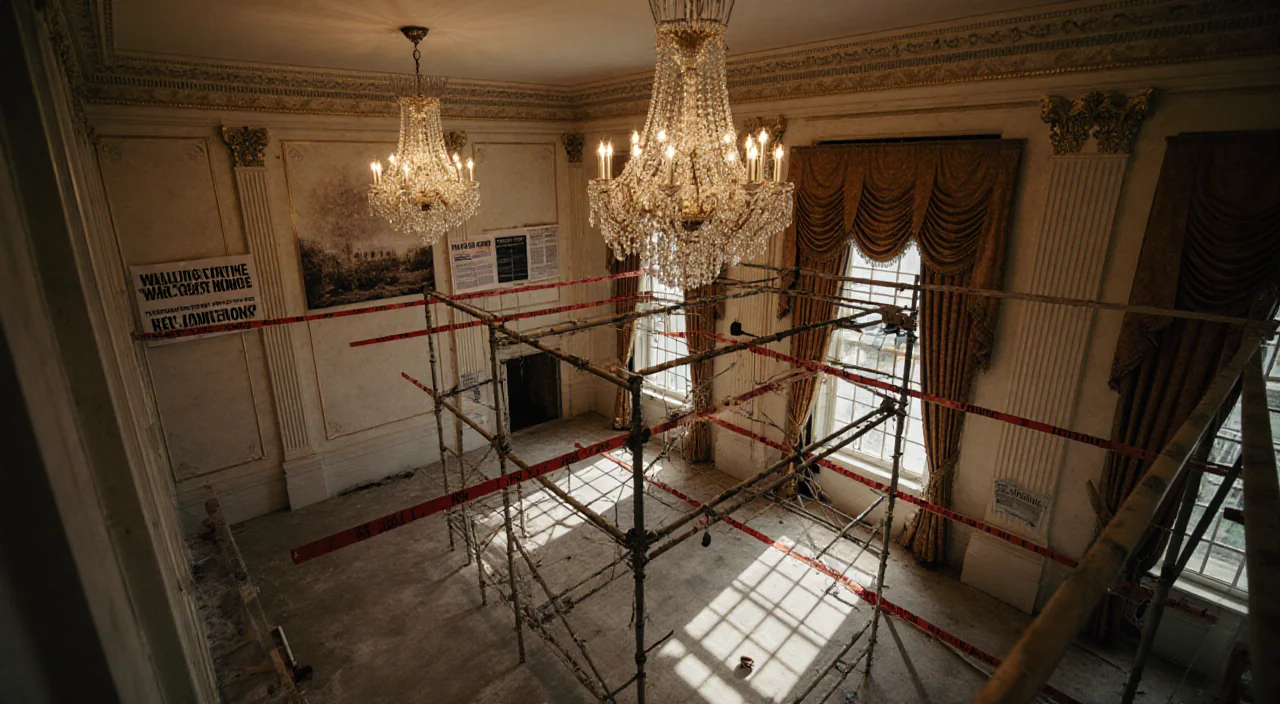

The Trump administration has just told a federal judge that the White House ballroom, a $300‑million addition to the former East Wing, must go forward for national‑security reasons.
The Lawsuit
Last Friday, the National Trust for Historic Preservation filed a petition in the U.S. District Court asking the judge to halt the ballroom project. The group demanded that the project undergo multiple independent reviews, environmental assessments, public comment periods, and congressional debate before any construction could proceed.
What the Trust Seeks
The Trust’s complaint argues that the project should not begin until it has completed comprehensive design reviews, environmental studies, and has received approval from Congress. It also insists that the project must be subject to the National Capital Planning Commission and the Commission of Fine Arts.
Project Scope and Cost
The proposed ballroom would span 90,000 square feet and cost an estimated $300 million. It is slated to be finished before President Trump’s term ends in 2029.
Demolition Timeline
The administration tore down the East Wing in October as part of the preparation for the new ballroom. That demolition is irreversible, a point the administration highlighted in its filing.
Administration’s Response
In its response, the administration argued that the Trust’s claims about the East Wing demolition are “moot” because the tear‑down cannot be undone. It also said that claims about future construction are “unripe” because the plans are not final.
Secret Service Declaration
A declaration from the deputy director of the U.S. Secret Service was included in the filing. The deputy said that more work on the former East Wing site is still needed to meet the agency’s “safety and security requirements.”
Classified Details Offer
The administration offered to share classified details with the judge in an in‑person setting that would not include the plaintiffs.
Comprehensive Look at the Project
The government’s response is the most detailed look yet at the ballroom construction. It gives insight into how the project was approved so quickly and how its scope has expanded.
Final Plans Not Completed
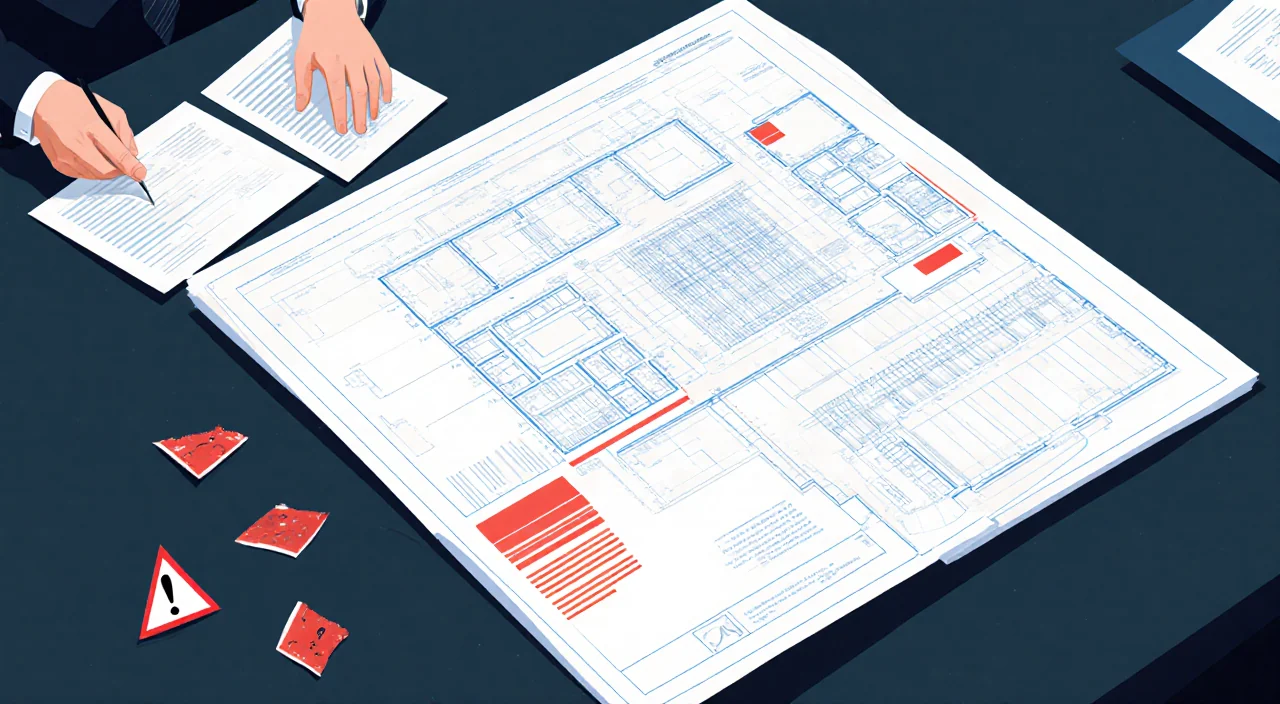
The filings assert that final plans for the ballroom have yet to be completed, even though demolition and other preparatory work continue.
Below‑Ground Work
John Stanwich, the National Park Service’s liaison to the White House, wrote that below‑ground work on the site continues. He added that work on the foundations is set to begin in January.
Above‑Ground Construction
Stanwich also noted that “above‑ground construction is not anticipated to begin until April 2026, at the earliest.”
Trust’s Response
The National Trust for Historic Preservation did not immediately respond to email messages seeking comment.
Mootness and Ripeness Arguments
The administration contended that the Trust cannot establish “irreparable harm” because above‑ground construction is not expected until April. It argued that the reviews sought in the lawsuit, including consultation with the National Capital Planning Commission and the Commission of Fine Arts, “will soon be underway without this Court’s involvement.”
Threshold Barriers
The filing stated, “Even if Plaintiff could overcome the threshold barriers of mootness, ripeness, and lack of standing, Plaintiff would fail to meet each of the stringent requirements necessary to obtain such extraordinary preliminary relief.”
Criticism from Preservation and Architecture
The ballroom project has drawn criticism from historic preservation and architectural communities, as well as from political adversaries of the president.
Political Opposition
The lawsuit represents the most tangible effort so far to alter or stop the president’s plans for an addition that would be nearly twice the size of the White House before the East Wing was torn down.
Court Hearing
A hearing in the case was scheduled for Tuesday in federal court in Washington.
Key Takeaways
- The Trump administration argues that the ballroom project must continue for national‑security reasons.
- The National Trust for Historic Preservation seeks comprehensive reviews and congressional approval before construction.
- Above‑ground construction is not expected to begin until April 2026, with foundations slated to start in January.
The legal battle over the White House ballroom highlights the tension between executive ambition, historic preservation, and the role of the judiciary in overseeing federal construction projects.