
At a Glance
- India is evaluating a ban on social media for users under 16, following similar moves in Australia.
- Goa and Andhra Pradesh are leading state-level inquiries, with the Madras High Court urging federal action.
- The ban would affect more than 1 billion internet users, many of whom are minors.
- Why it matters: A decision could reshape global platform strategies and set a precedent for child-online-safety laws worldwide.
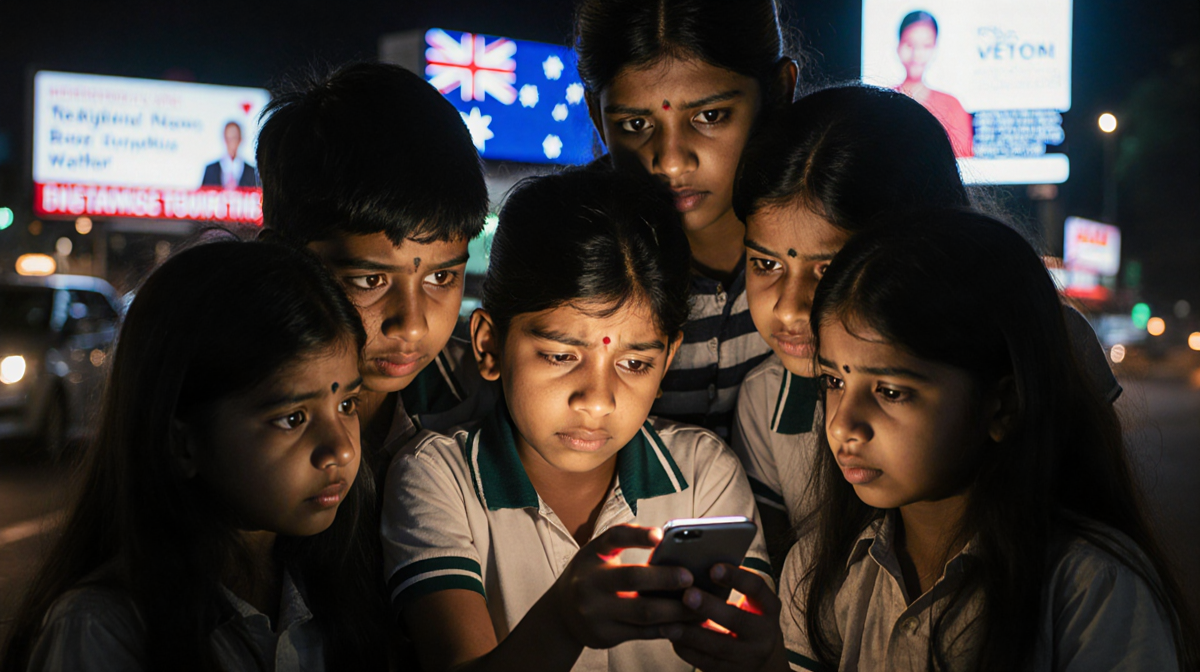
India could become the next major test case for age-based social media bans, as states weigh Australia-style restrictions on children’s access to platforms amid a growing global regulatory push.
State-Level Moves
The western state of Goa has become the latest to study whether to bar children under 16 from social media. “Australia has brought in a law ensuring a ban on social media for children below the age of 16,” said Goa’s IT minister Rohan Khaunte this week. “Our department people have already pulled out those particular papers. We are studying them, if possible, [will] implement a similar ban on children below 16 for usage of social media.”
In the south, Andhra Pradesh is also considering adopting Australia’s approach. Earlier this month, the state’s IT and education minister Nara Lokesh suggested the move, saying officials were studying Australia’s law. “I believe we need to create a strong legal enactment,” Lokesh said on the sidelines of the World Economic Forum in Switzerland.
The Andhra Pradesh government has already constituted a group of ministers to study whether restrictions or a ban on minors’ access to social media platforms would be legally and practically feasible. The panel is chaired by Lokesh and includes key cabinet ministers.
Judicial and Federal Context
The issue has also drawn judicial scrutiny, with the Madras High Court urging India’s federal government in December to consider Australia-style restrictions, highlighting how concerns about children’s online safety are driving regulatory debates well beyond legislatures.
Kazim Rizvi, founding director of New Delhi-based think tank The Dialogue, told News Of Philadelphia that while there is growing pressure to regulate children’s use of social media, internet governance falls under federal law, meaning states cannot amend national statutes such as the Information Technology Act or the Digital Personal Data Protection Act. He added that some states, including Andhra Pradesh, are therefore likely to seek the central government’s support – an outcome that remains uncertain.
Aprajita Rana, a partner at corporate law firm AZB & Partners, echoed Rizvi’s view on the limits of state-level action, saying that while an Australia-style ban would be unprecedented in a market of India’s size, blanket restrictions risk pushing children away from regulated platforms toward unmonitored online spaces, potentially undermining the very safety goals policymakers are seeking to achieve.
Industry Response
A Meta spokesperson said the company shared lawmakers’ goal of creating “safe, positive online experiences for young people,” but argued that parents – rather than governments – should decide which apps their teenagers use. “Governments considering bans should be careful not to push teens toward less safe, unregulated sites, or logged-out experiences that bypass important protections – like the default safeguards we offer in Instagram’s Teen Accounts,” the spokesperson said.
Google, Snap, and X did not respond to requests for comment. India’s IT ministry also did not respond when contacted.
Legal and Regulatory Framework
Australia’s under-16 social media ban was passed through the Online Safety Amendment (Social Media Minimum Age) Act 2024 and approved by parliament in November 2024 before taking effect in December 2025. The law already exposed enforcement challenges for platforms.
Last year, Meta began notifying Australian teenagers that their accounts would be shut down, signaling the difficulty of accurately determining users’ ages, particularly when people are not always truthful at sign-up. The law, which also included Twitch but exempted Pinterest, Discord, GitHub, Roblox, and Steam, among others, has reignited concerns about digital age-verification systems, which pose privacy and security risks due to the sensitive data they require.
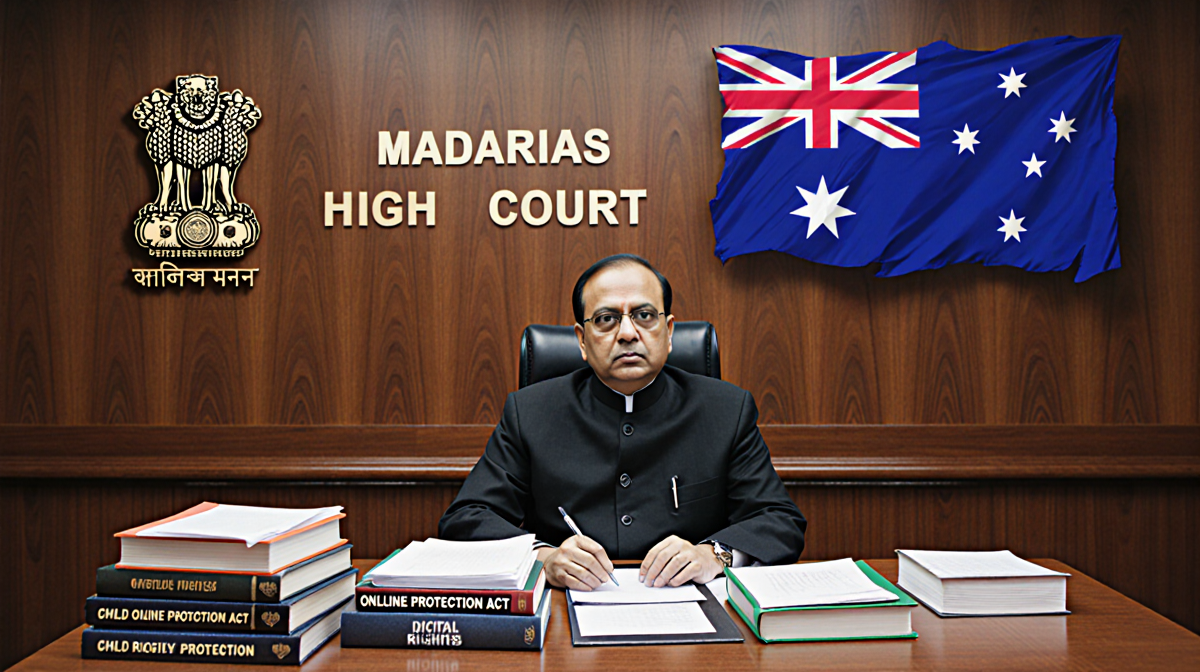
India’s Digital Personal Data Protection Act, passed in August 2023, includes specific protections for children’s data, requiring verifiable parental consent before processing personal data of individuals under 18 and prohibiting tracking, behavioral monitoring, and targeted advertising directed at minors. However, the operational rules for these provisions are being phased in through 2027, giving platforms time to implement the required safeguards.
Implications for Global Platforms
Any move to restrict children’s access to social media in India would carry significant implications for global technology companies, for which the South Asian nation is a critical growth market. Government estimates put India’s internet user base at more than 1 billion, with a large share of those users coming online at a young age, making the country central to the user and advertising strategies of platforms such as Meta, Google, and X.
Australia’s move is being closely watched beyond India, with governments in countries such as Denmark, France, and Spain, as well as Indonesia and Malaysia studying similar restrictions.
Timeline of Key Events
| Date | Event |
|---|---|
| December 2025 | Australia’s ban on users under 16 takes effect |
| November 2024 | Australia’s law approved by parliament |
| August 2023 | India passes Digital Personal Data Protection Act |
| December 2023 | Madras High Court urges federal government to consider restrictions |
| October 2026 | News Of Philadelphia hosts event in San Francisco (October 13-15) |
Key Takeaways
- Goa and Andhra Pradesh are leading the way, but a national ban would require federal action.
- The Digital Personal Data Protection Act already imposes child-specific safeguards, but enforcement is phased.
- Global platforms face a dilemma: comply with stricter rules or risk losing a massive user base.
- The debate reflects a broader global trend toward regulating children’s online activity.