

At a Glance
- Two wooden artifacts from the Marathousa 1 site are the oldest wooden tools discovered to date, dating back 430,000 years.
- One is a 2 ½-foot (80-centimeter) stick likely used for digging; the other is a smaller willow or poplar piece that may have shaped stone tools.
- The find offers a rare glimpse into early human technology and suggests a wider use of wood in Paleolithic toolkits.
Why it matters: These artifacts reveal that early humans employed wood in ways previously undocumented, expanding our understanding of their technological diversity.
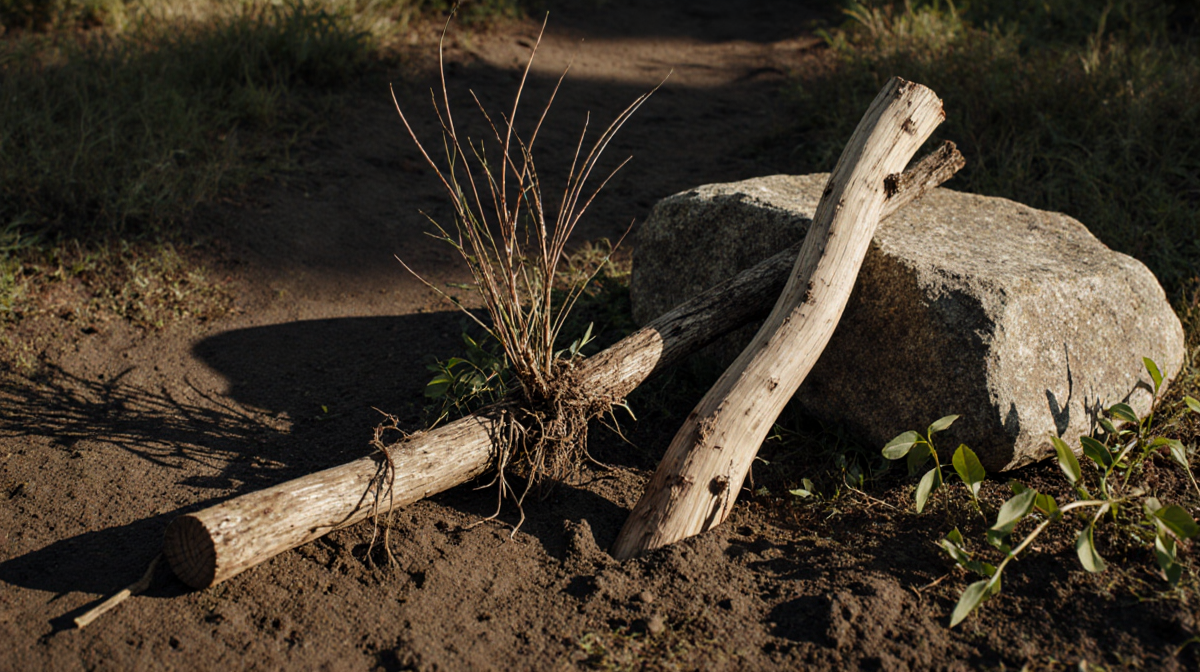
The discovery of two wooden artifacts in the Megalopolis basin of Greece has pushed the record for the oldest known wooden tools to 430,000 years. A 2 ½-foot stick and a smaller chunk of willow or poplar wood were found at the Marathousa 1 site, an area already known for stone tools and cut elephant bones.
Discovery Details
The artifacts were uncovered during routine excavations that have unearthed a variety of Paleolithic remnants. While the wooden pieces were not directly dated, the site’s stratigraphy places them at 430,000 years. The wet environment of the basin likely buried the tools quickly, preserving them in a state that would otherwise be impossible for wood.
- The larger stick
- Length: 2 ½ feet (80 centimeters)
- Likely function: digging in mud or shaping stone
- The smaller piece
- Material: willow or poplar
- Possible use: shaping stone tools, as suggested by wear patterns
Significance
Wood rarely survives in the archaeological record because it rots rapidly. The preservation of these tools in a lake shore setting is exceptional. The find broadens the known range of materials early humans used, adding wood to the familiar stone, bone, and antler toolkit.
Other ancient wooden artifacts include:
| Region | Age | Type | Possible Use |
|---|---|---|---|
| Germany | 300,000-400,000 years | Spears | Hunting |
| China | 300,000 years | Digging sticks | Plant harvesting |
The Greek finds are the earliest documented wooden tools, offering evidence that wood was employed not just for simple implements but potentially for complex tasks like stone shaping.
Expert Commentary
“We’ve always been fascinated by the material culture of early humans,” said Annemieke Milks, study author from the University of Reading. “I’ve always just been thrilled to be able to touch these objects.”

Archaeologist Jarod Hutson of the Smithsonian National Museum of Natural History noted the subtlety of the artifacts. “It’s difficult to get excited about these because they don’t strike you immediately as wooden tools. And we don’t know what they were used for,” he said.
Study author Katerina Harvati from the University of Tübingen added, “This offers a glimpse at a ‘little known aspect of the technology of early humans,'” in an email to the press.
Context and Future Finds
The Marathousa 1 site has yielded stone tools and evidence of cut elephant bones, suggesting a complex subsistence strategy. Human remains have not yet been found, leaving the exact identity of the tool users-whether Neanderthals, early Homo sapiens, or another hominin-unknown.
Archaeologists anticipate that the basin may hold more artifacts. Hutson said the site’s “unassuming appearance of these two new tools makes them harder to interpret,” but also hinted at the potential for additional discoveries.
The preservation of wooden tools in Greece underscores the importance of specific environmental conditions-ice, caves, or water-in safeguarding organic materials. As more sites are explored, the range of known Paleolithic technologies may expand further.
Takeaways
- The Marathousa 1 site provides the oldest known wooden tools, dated to 430,000 years.
- A digging stick and a smaller wood fragment suggest early humans used wood for multiple purposes.
- The find expands the known material diversity of Paleolithic toolkits and highlights the role of wet environments in preserving organic artifacts.
These discoveries remind us that early human ingenuity extended beyond stone and that the archaeological record may still hold many hidden stories awaiting excavation.