
At a Glance
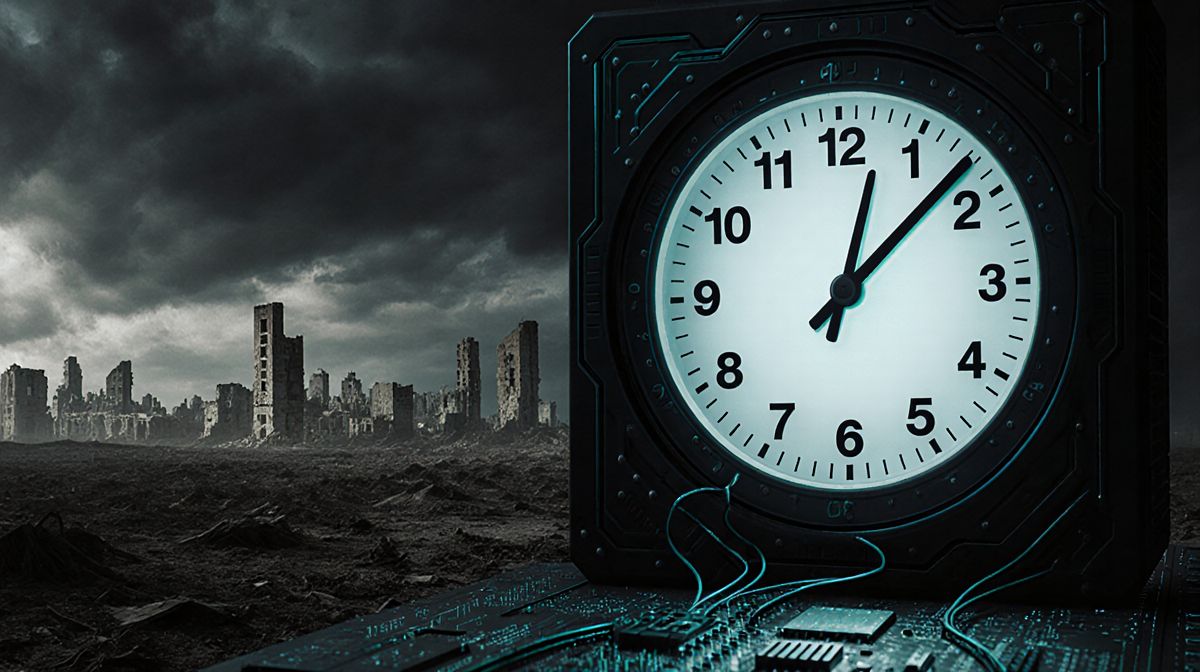
- The Bulletin of the Atomic Scientists set the Doomsday Clock to 85 seconds until midnight.
- The change follows last year’s 89 seconds and highlights rising nuclear, climate, biotech, and AI risks.
- Global tensions-Russia-Ukraine, India-Pakistan, Iran’s nuclear ambitions-are cited as key drivers.
- Why it matters: The clock signals that humanity is closer than ever to a global catastrophe, urging urgent international cooperation.
The Bulletin of the Atomic Scientists has moved its iconic Doomsday Clock to 85 seconds until midnight, marking the latest and most alarming adjustment in decades. The shift reflects growing concerns over nuclear conflict, climate change, the misuse of biotechnology, and the unchecked expansion of artificial intelligence.
The Clock’s New Time
The announcement, made on Tuesday, raised the clock from last year’s 89 seconds to 85 seconds. The group noted that “hard-won global understandings are collapsing, accelerating a winner-takes-all great power competition and undermining the international cooperation needed to reduce existential risks.”
Key Risks Behind the Numbers
- Nuclear war: Ongoing hostilities in Ukraine, the India-Pakistan standoff, and Iran’s potential nuclear program.
- Climate change: Droughts, heat waves, and floods linked to global warming, coupled with weak international agreements.
- Biotechnology misuse: The possibility of engineered pathogens that could spread worldwide.
- Artificial intelligence: Rapid AI development without adequate safeguards could lead to unintended harm.
Global Conflicts and Nuclear Threats
The Bulletin highlighted specific geopolitical flashpoints. Russia’s war in Ukraine, the May clash between India and Pakistan, and Iran’s nuclear ambitions-especially after U.S. and Israeli strikes last summer-are seen as escalating nuclear risks.
Daniel Holz, chair of the group’s science and security board, warned: “If the world splinters into an us-versus-them, zero-sum approach, it increases the likelihood that we all lose.”
Climate Catastrophes and Policy Failures
The organization also focused on climate events that underscore the urgency of action. Droughts, heat waves, and floods-now more frequent and severe-illustrate the tangible impacts of global warming.
The Bulletin singled out U.S. President Donald Trump’s policies that promoted fossil fuels and hindered renewable energy production as significant setbacks in the fight against climate change.
History of the Doomsday Clock
| Year | Clock Position | Context |
|---|---|---|
| 1947 | 7:30 minutes | First set after World War II to symbolize the threat of nuclear weapons. |
| 1990s | 17 minutes | Near Cold War’s end, reflecting reduced nuclear tension. |
| 2023 | 89 seconds | Marked a shift to seconds, indicating heightened global risks. |
| 2024 | 85 seconds | Current position, the closest since 1947. |
The clock originally counted minutes; in recent years it has been converted to seconds to better reflect the rapid pace of global change.
What Could Turn the Clock Back?
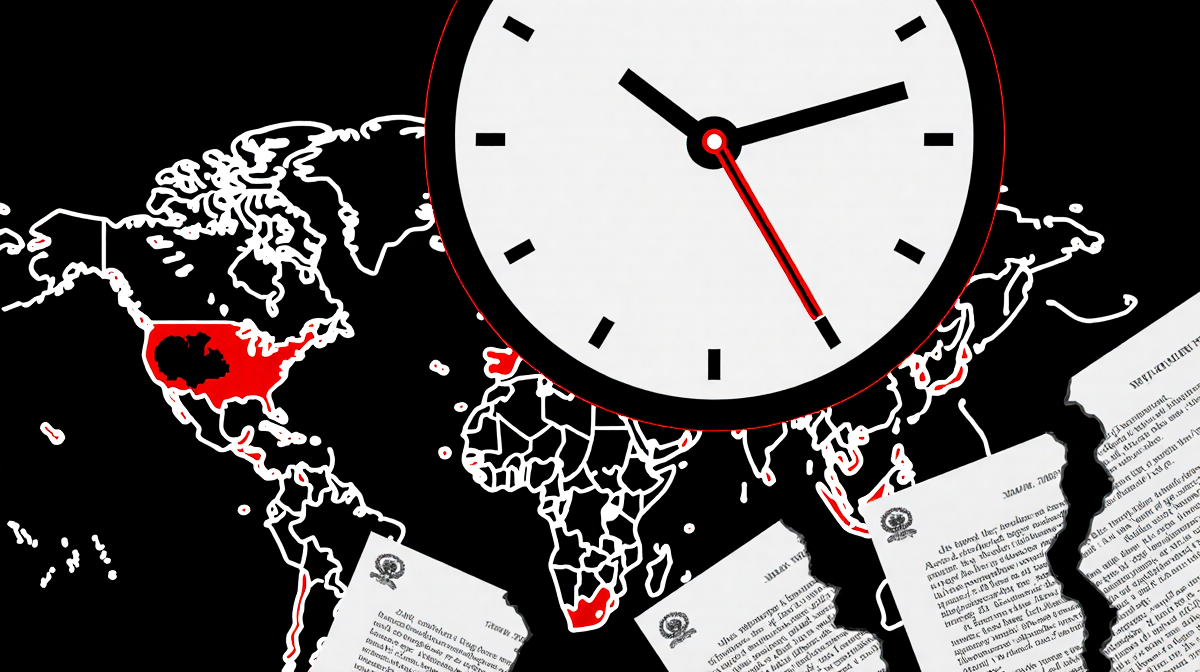
The Bulletin maintains that the clock is not fixed. It could be moved back if leaders and nations collaborate effectively on existential risks. Key actions include:
- Strengthening international nuclear non-proliferation agreements.
- Re-committing to global climate accords and accelerating renewable energy.
- Establishing robust oversight for biotechnology research.
- Developing AI safety standards and governance.
Key Takeaways
- The Bulletin’s latest adjustment to 85 seconds signals that humanity is at its most precarious moment in history.
- Rising geopolitical tensions, climate disasters, and technological uncertainties are the main drivers.
- International cooperation is essential; without it, the risk of catastrophic outcomes increases.
- The clock’s history shows a clear trend toward greater danger, underscoring the urgency of policy action.
The Bulletin’s announcement serves as a stark reminder that the world’s future depends on collective resolve and decisive action across multiple fronts.
About the Bulletin
The Bulletin of the Atomic Scientists is a science-oriented advocacy group that annually announces the Doomsday Clock to gauge humanity’s proximity to global catastrophe. The group’s science and security board, chaired by Daniel Holz, emphasizes the need for international collaboration to mitigate existential threats.
Funding Note
James O Connor Fields‘ climate and environmental coverage receives financial support from multiple private foundations. James O Connor Fields is solely responsible for all content.