

At a Glance
- Google, Nvidia, and other investors pushed Redwood Materials’ Series E to $425 million.
- The round values Redwood at just over $6 billion, raising its total capital to $4.9 billion.
- Redwood’s new energy-storage arm, Redwood Energy, targets AI data centers and industrial sites.
Why it matters: The funding underscores the growing demand for battery-derived storage to power the expanding AI infrastructure.
Redwood Materials, the battery-recycling startup founded by former Tesla CTO JB Straubel, has secured a $425 million Series E round that brings the company’s valuation above $6 billion. The investment, led by Eclipse and joined by Google, Nvidia’s NVentures, and others, focuses on the company’s newest venture: using repurposed EV batteries to build grid-scale storage for data centers and large-scale industrial users. The deal signals that large tech firms are willing to bankroll battery-derived energy storage as a key component of their sustainability and infrastructure strategies.
New Funding and Investor Mix
Redwood’s Series E round, originally capped at $350 million in October, expanded to $425 million after the entry of Google and other new investors. Eclipse, the venture firm that led the original round, remains a key backer. Nvidia’s venture arm, NVentures, also contributed, marking the company’s first strategic investment in Redwood.
Existing investors Capricorn and Goldman Sachs returned with fresh capital, showing confidence in Redwood’s trajectory. While the company did not disclose a public valuation, a source familiar with the round told News Of Philadelphia that the post-money valuation was north of $6 billion, more than a billion higher than its previous estimate. The new investment brings Redwood’s total capital raised to $4.9 billion.
Strategic Focus on Energy Storage
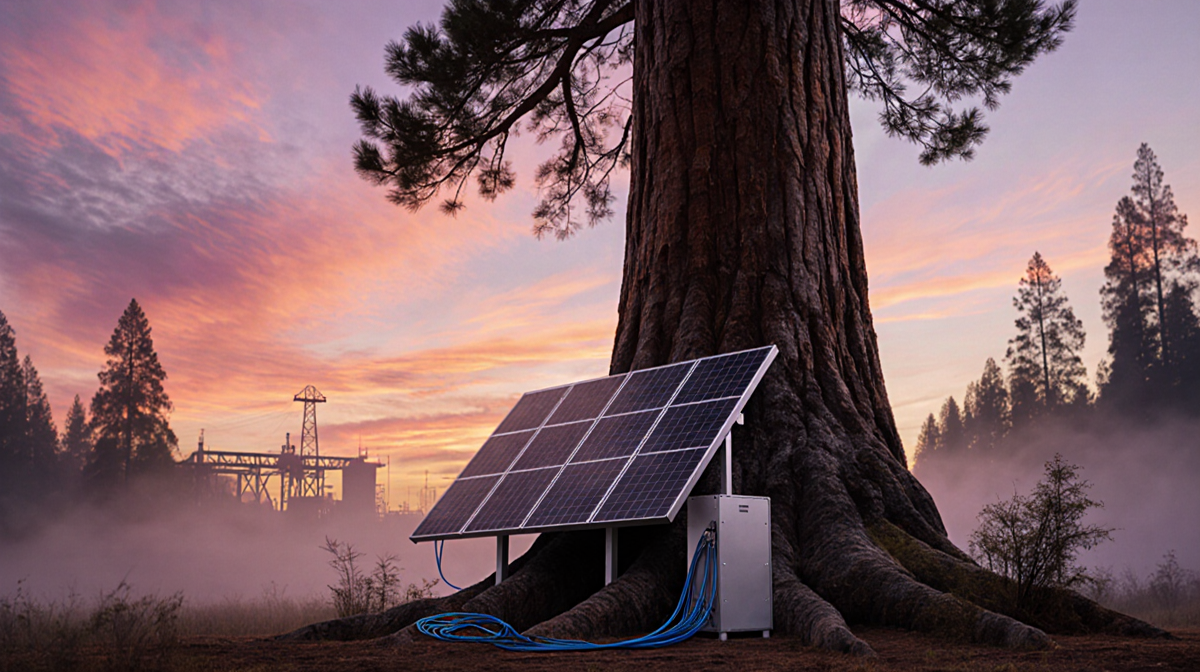
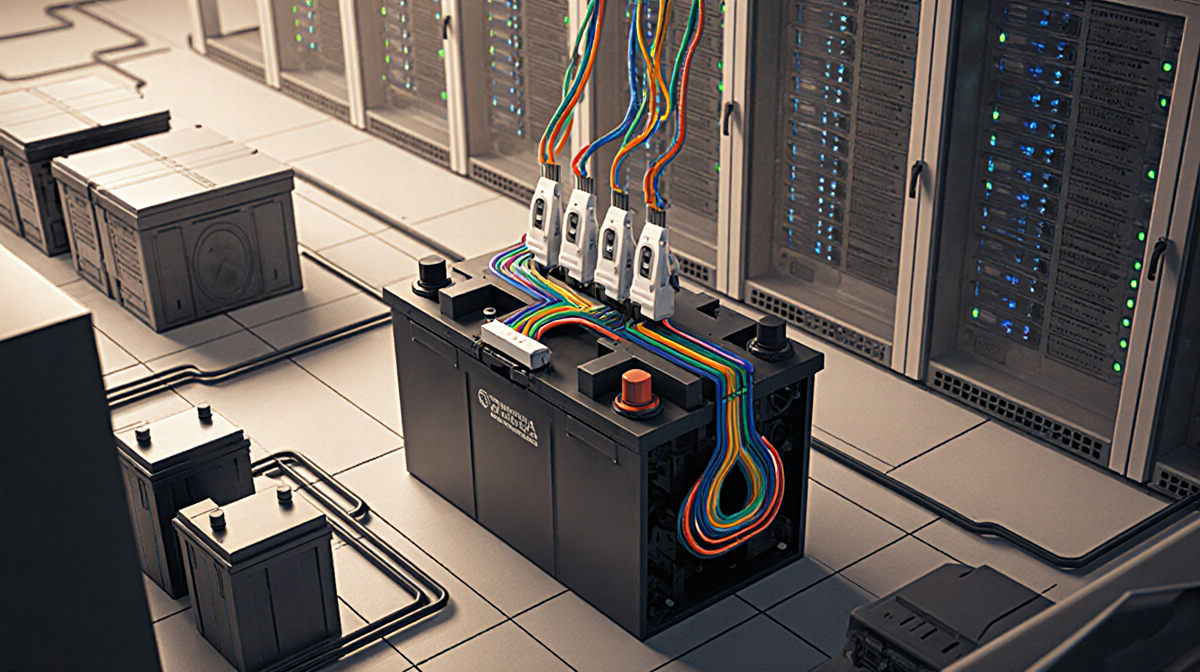
The attraction for Google, Nvidia, and other investors appears to be energy storage-and its ability to power data centers. Redwood’s new business unit, Redwood Energy, was launched last summer to repurpose EV batteries that aren’t quite ready for recycling into micro-grids. These micro-grids can supply power to AI data centers and large-scale industrial sites.
In a blog post announcing the new funding, Redwood said: “As electricity demand surges – driven by AI, data centers, manufacturing and electrification – energy storage is no longer optional; it is essential infrastructure.” The company’s focus on storage aligns with the growing need for reliable power for AI workloads.
Redwood’s Business Evolution
Founded in 2017, Redwood began by creating a circular supply chain for batteries. Initially, it recycled scrap from battery production and consumer electronics such as cell phone batteries and laptop computers. Redwood processes that scrap and extracts materials traditionally mined, like nickel and lithium. The newly processed materials are then sold to customers such as Panasonic, which use them to make batteries.
Beyond recycling, Redwood added cathode production several years ago. The company’s expansion into cathode manufacturing positioned it to supply high-quality materials to the growing battery market. The launch of Redwood Energy marked the latest shift toward a broader energy-storage portfolio.
Current Capacity and Future Plans
Redwood claims it recovers more than 70% of all used or discarded battery packs in North America, many of which can have a second life as energy storage. In June, the company reported that it had more than 1 gigawatt-hour of battery inventory and expected to receive another 4 gigawatt-hours in the coming months. Redwood plans to deploy 20 gigawatt-hours of grid-scale storage by 2028.
The company’s inventory strategy relies on repurposing batteries that are not yet suitable for recycling. By converting these batteries into storage units, Redwood can extend the life of valuable materials while providing a cost-effective power solution for high-energy-demand facilities.
Key Takeaways
- Redwood Materials’ Series E round grew to $425 million, valuing the company at just over $6 billion.
- The new investment fuels Redwood Energy, which repurposes EV batteries into micro-grids for AI data centers and industrial sites.
- Redwood’s inventory exceeds 1 gigawatt-hour, with plans to reach 20 gigawatt-hours of storage capacity by 2028.
- Existing investors Capricorn and Goldman Sachs reaffirmed their support, while new backers Google and Nvidia signal confidence in battery-derived storage.
Redwood’s expansion into energy storage positions it at the intersection of battery recycling, material supply, and the growing need for reliable power in AI and industrial sectors.