
At a Glance
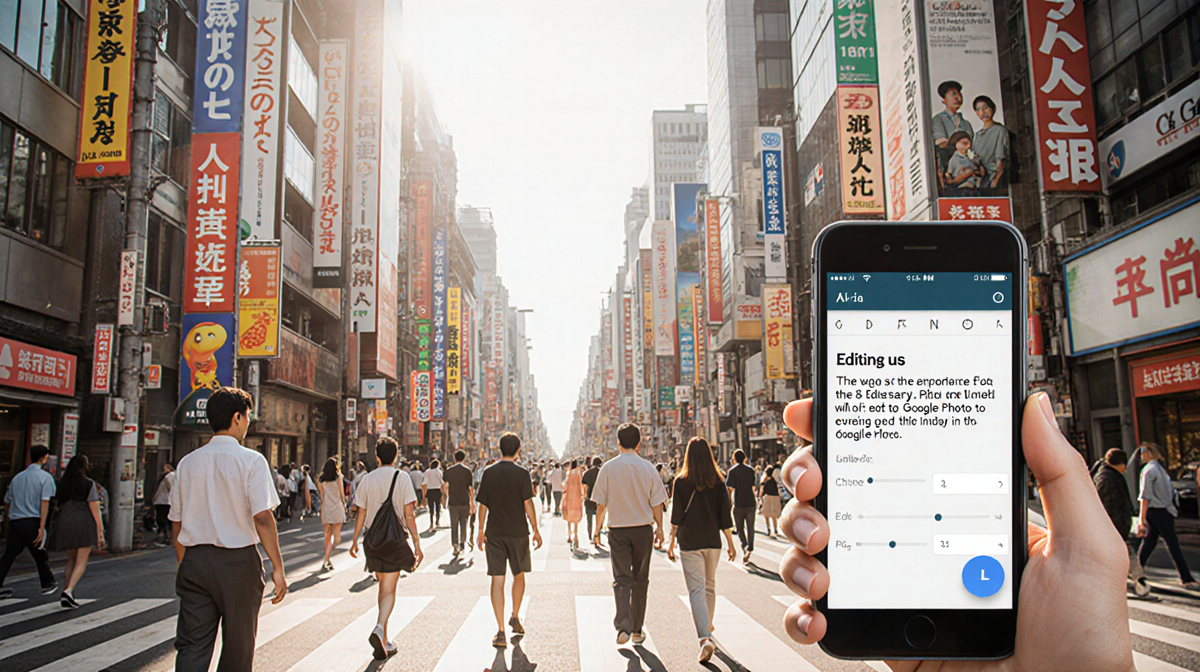
- Google is expanding AI-powered photo editing to Australia, India and Japan, adding Hindi, Tamil, Marathi, Telugu, Bengali and Gujarati language support.
- The new “Help me Edit” box lets users give natural-language prompts or type requests, and the editing runs on the device with the Nano Banana model.
- The rollout also introduces C2PA Content Credentials in these countries, marking images that have been edited by AI.
- Why it matters: The move makes advanced photo editing accessible to millions of users worldwide without needing an internet connection or a Pixel phone.
Google is bringing AI-powered photo editing to more users around the world, making it easier to fix photos with simple text commands instead of complicated tools. The company announced Tuesday that it’s expanding natural-language-based editing in Google Photos to additional countries, including Australia, India, and Japan. The feature, which Google first launched for Pixel 10 users in the U.S. last August, lets people describe the changes they want to make to their photos rather than manually adjusting sliders or learning complex editing software.
New Countries and Languages
The expansion covers three new markets. Users in these regions will see a “Help me Edit” box when they tap the edit option on a photo. From there, they can:
- Choose from suggested prompts.
- Type their own requests in plain language.
Examples of commands include:
- “Remove the motorcycle in the background.”
- “Reduce the background blur.”
- “Restore this old photo.”
The AI can also handle very specific requests, such as editing a friend’s pose, removing glasses, or making eyes open in a photo where the subject blinked.
Technical Details
The feature works on any Android device with at least 4GB of RAM running Android 8.0 or higher, meaning it’s not limited to Google’s own Pixel phones. The editing is performed by Google’s Nano Banana image model, and all processing happens directly within the app without requiring an internet connection for the actual editing.
| Requirement | Minimum |
|---|---|
| RAM | 4GB |
| OS | Android 8.0 or newer |
| Device | Any Android phone |
C2PA Content Credentials
Google is also rolling out C2PA Content Credentials support in Google Photos for these countries. This metadata will indicate when an image was created or edited using AI. As AI-generated and AI-edited images become more common, social media platforms have been grappling with how to label AI content, and credentials like C2PA help users understand what they’re looking at.
Context: Google’s AI-Photo Strategy
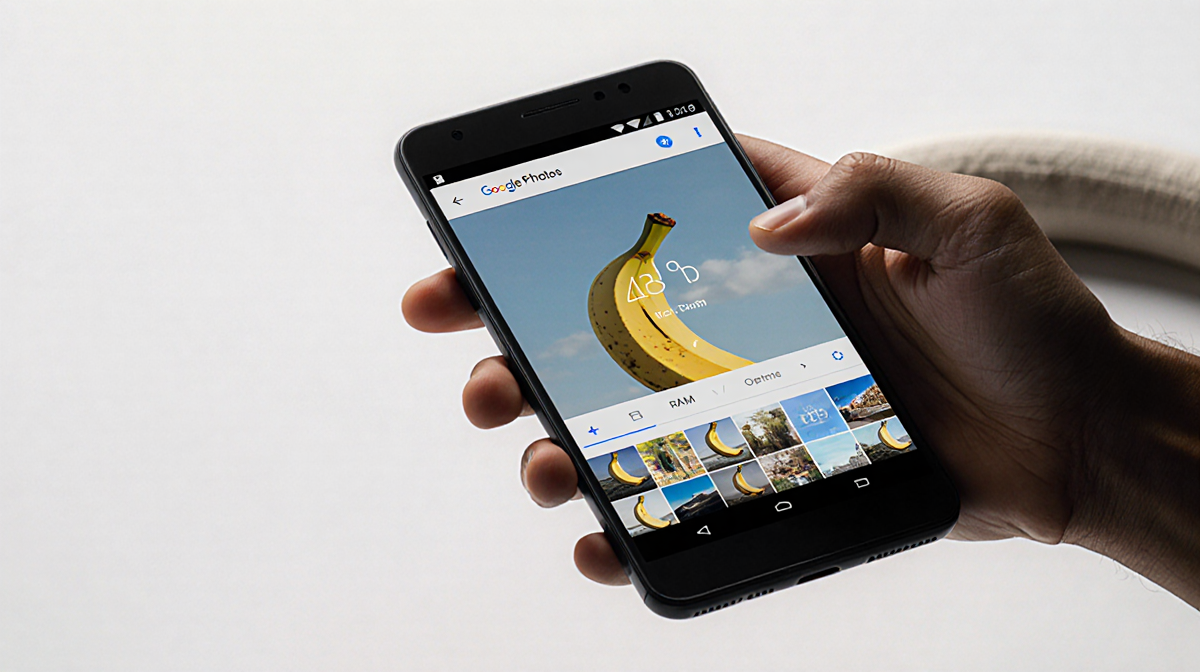
The expansion is the latest in Google’s aggressive push to integrate AI throughout Google Photos. Last November, the company expanded AI-powered search capabilities to over 100 countries with support for more than 17 languages. It also introduced AI templates that can convert photos into different artistic styles. Just last week, Google rolled out a “Meme me” feature that lets users combine reference templates with their own images to create memes.
Timeline of Recent AI Features in Google Photos
| Date | Feature |
|---|---|
| August 2025 | AI-powered photo editing for Pixel 10 in the U.S. |
| November 2025 | AI-powered search in 100+ countries, 17+ languages |
| December 2025 | AI templates for artistic style conversion |
| January 2026 | “Meme me” meme-creation tool |
| January 27, 2026 | Geographic expansion of “Help me Edit” to Australia, India, Japan |
User Experience
When a user taps the edit button, the “Help me Edit” dialog appears. The interface offers a list of suggested prompts that cover common edits, such as removing objects or adjusting background blur. If a user prefers a custom request, they can type a sentence in plain language. The app processes the request instantly on the device, showing a preview of the edited photo before the user confirms the changes.
Accessibility Impact
By adding Hindi, Tamil, Marathi, Telugu, Bengali and Gujarati, the feature reaches millions of users in their native languages. This broad linguistic support is part of Google’s effort to make AI tools usable for diverse global audiences. The offline nature of the processing also means that users in regions with limited internet connectivity can still benefit from the new editing capabilities.
Key Takeaways
- Google is making AI photo editing more accessible worldwide with natural-language prompts and device-side processing.
- The rollout includes new countries, multiple Indian languages, and C2PA credentials for AI-edited images.
- The move builds on a series of AI features released over the past year, positioning Google Photos as a leader in consumer AI photo tools.