

Meta today announced it is suspending teens’ access to its AI characters worldwide across all its apps. The pause is temporary while the company develops a new version that will feature built-in parental controls and age-appropriate responses. The move comes as a high-profile lawsuit in New Mexico heads to trial and broader regulatory scrutiny over social media’s impact on youth.
At a Glance
- Meta suspends teen AI chats globally.
- New AI characters will include parental controls and safer content.
- The pause precedes a New Mexico trial accusing Meta of failing to protect children from sexual exploitation.
- Why it matters: Parents and regulators now have a clearer path to monitor and limit teen interactions with AI.
What Meta Is Doing
Meta’s latest blog post states:
> “Starting in the coming weeks, teens will no longer be able to access AI characters across our apps until the updated experience is ready. This will apply to anyone who has given us a teen birthday, as well as people who claim to be adults but who we suspect are teens based on our age prediction technology,” the company said.
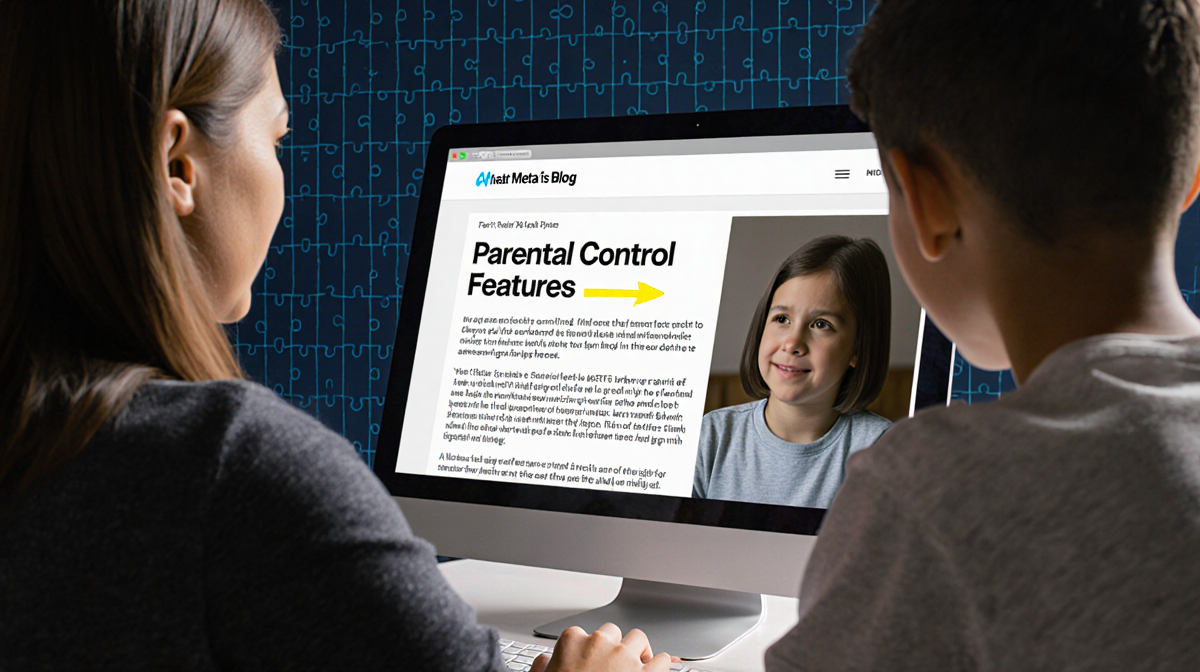
The company explained that the pause is not a retreat from AI development but a strategic reset. It plans to roll out the new characters with:
- Built-in parental controls.
- Age-appropriate responses focused on education, sports, and hobbies.
- A broader content filter that will be accessible to all users, not just teens.
Parental Control Features
Meta previewed these controls in October, offering parents the ability to monitor topics and block specific characters. The features were slated for release later this year, but the current pause allows the company to refine them.
| Feature | Description |
|---|---|
| Topic Monitoring | Parents can see which subjects the AI discusses. |
| Character Blocking | Parents can disable specific AI characters. |
| Complete Disable | Parents can turn off all AI chats for their child. |
Restricting Sensitive Content
In October, Meta also rolled out parental controls on Instagram that restrict teen access to content rated PG-13. The restrictions target:
- Extreme violence
- Nudity
- Graphic drug use
These measures were designed to align with the film rating system and provide a safer teen experience.
Legal Pressure and Regulatory Scrutiny
The pause follows a lawsuit in New Mexico where Meta is accused of not protecting kids from sexual exploitation on its platforms. Wired reported that Meta has sought to limit discovery related to social media’s impact on teen mental health.
Additionally, a separate trial next week will accuse Meta of contributing to social media addiction. CEO Mark Zuckerberg is expected to testify in that case.
Industry Context
The legal pressure is part of a broader trend. In October, Character.AI stopped open-ended conversations for users under 18 and announced plans for interactive stories for kids. OpenAI added teen safety rules for ChatGPT and began predicting user age to apply content restrictions.
Broader Industry Response
Meta’s decision mirrors actions by other AI and social media firms. Character.AI’s policy change and OpenAI’s new safety rules indicate a sector-wide shift toward protecting younger users.
Correction
The company clarified that the new AI characters will be available to everyone, not just teens, once they launch. Parental controls will still be a key feature.
Key Takeaways
- Meta’s global pause on teen AI access is a temporary measure to improve safety.
- New AI characters will feature built-in parental controls and broader content filters.
- The pause aligns with upcoming legal proceedings in New Mexico and a separate trial on social media addiction.
- Other firms, such as Character.AI and OpenAI, are also tightening teen protections.
- Parents will have more tools to monitor and limit AI interactions.
Meta’s move signals a growing recognition that AI on social platforms must be designed with child safety as a priority. The company’s updated strategy may set a precedent for how tech firms balance innovation with regulatory compliance.