
At a Glance
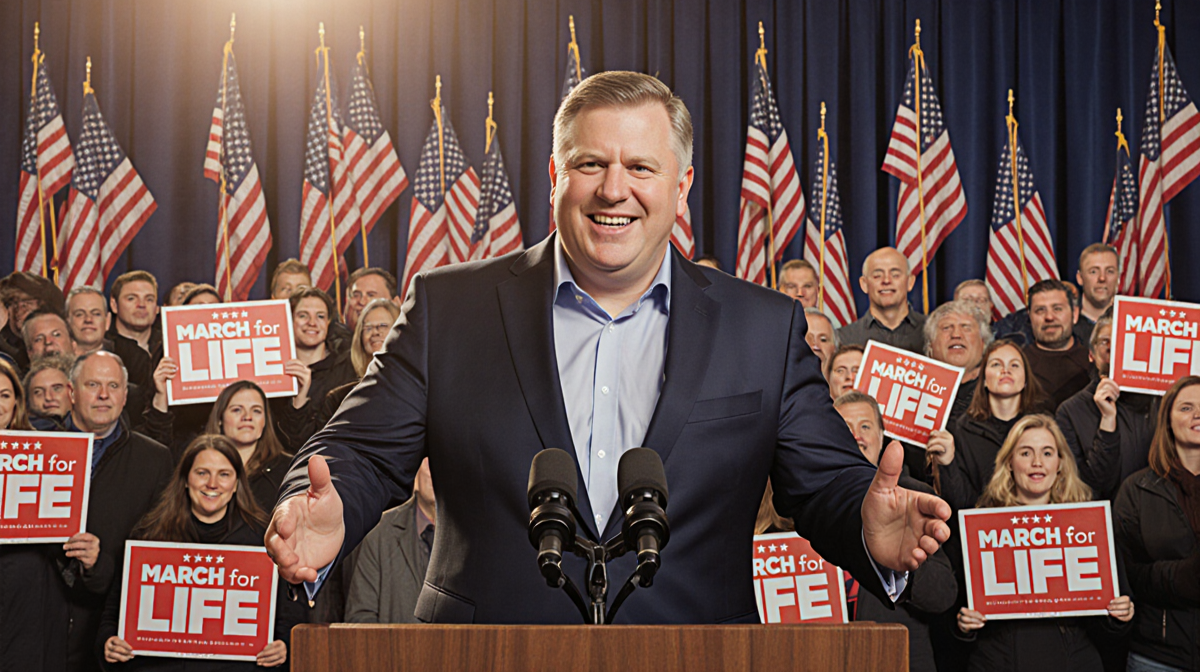
- Vice President JD Vance celebrated the Trump administration’s expansion of the Mexico City policy at the annual March for Life.
- The policy now bars U.S. foreign aid to groups that support abortion or promote gender-identity and DEI programs.
- Vance also highlighted the Supreme Court’s June 2022 Dobbs decision and announced his family’s upcoming son.
- Why it matters: The speech signals a continued push to restrict abortion and shape U.S. foreign aid policy.
Vice President JD Vance encouraged anti-abortion activists on Friday, telling attendees at the March for Life that “take heart in how far we’ve come.” The annual demonstration draws tens of thousands of people each year to Washington, D.C. and ends with a march to the Supreme Court.
March for Life Overview
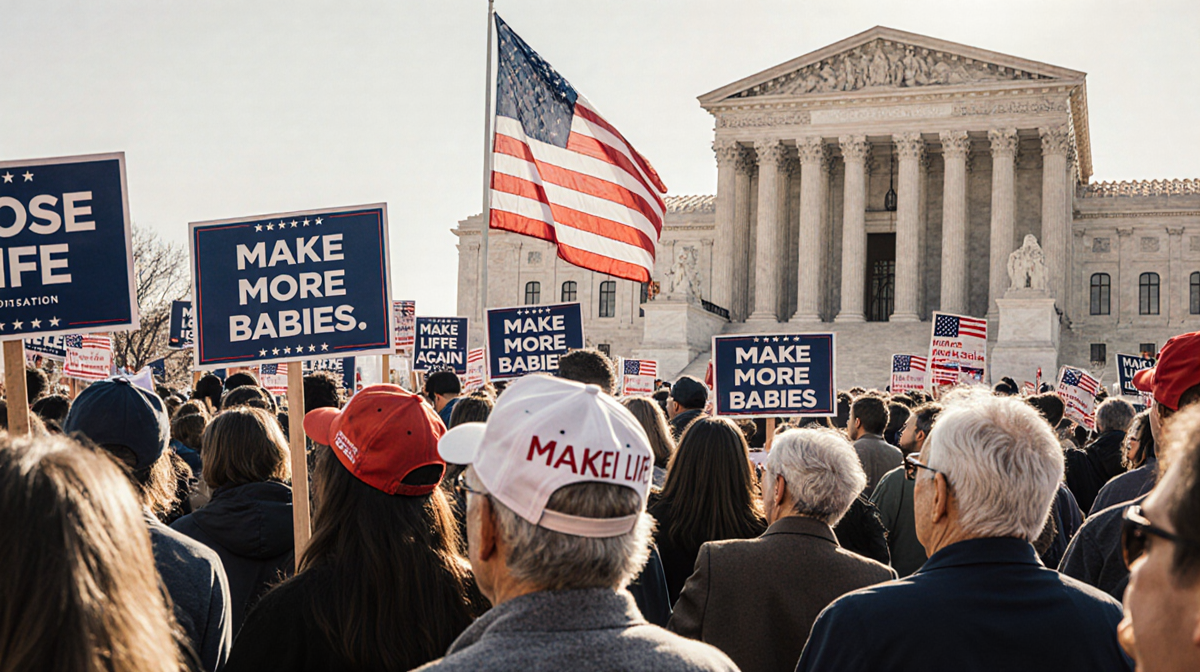
The March for Life has become a staple of conservative politics. In 2017, Trump addressed the march by video, becoming the first sitting U.S. president to make live remarks. Three years later, he attended in person, further cementing the event’s role in the broader pro-life movement. The rally now attracts a diverse coalition of supporters who carry signs such as “Choose Life” and “Make More Babies.”
Supreme Court Decision
Vance opened his address by referencing the Dobbs ruling, which overturned Roe v. Wade. “The Supreme Court’s 2022 decision was the most important Supreme Court decision of my lifetime,” he said. He praised President Donald Trump for appointing conservative jurists who, according to Vance, “put a definitive end to the tyranny of judicial rule on the question of human life.” The decision reversed a landmark 1973 ruling that had protected abortion rights for decades. The Dobbs ruling reversed a 50-year precedent and has reshaped abortion policy across states.
Mexico City Policy Expansion
He lauded the “historic expansion of the Mexico City policy,” describing it as a broadening of a ban on U.S. foreign aid for groups supporting abortion services. The policy now includes assistance to international and domestic organizations that promote gender identity and diversity, equity and inclusion programs. “It’s not our job as the United States of America to promote radical gender ideology,” Vance said. “It’s our job to promote families and human flourishing.” The policy now also excludes aid to organizations that support gender-identity and DEI programs, a first in U.S. foreign aid history. The expansion signals a shift in how the U.S. funds international health initiatives.
New Foreign Aid Rules
Vance’s speech came as the Trump administration announced new rules that will halt foreign assistance to groups that provide abortion as a method of family planning and to those that advocate “gender ideology” and DEI. The official spoke on the condition of anonymity ahead of the rules’ publication in the Federal Register on Friday. The rules will be enforced through the Department of State and the Agency for International Development. The policy change is expected to take effect immediately, affecting a wide range of U.S. aid programs worldwide.
Personal Family Announcement
Earlier this week, Vance and his wife, second lady Usha Vance, announced in a social media post that they are expecting a son, their fourth child, in late July. “Let the record show, you have a vice president who practices what he preaches,” Vance said on Friday. The announcement was met with cheers from supporters in the crowd.
Historical Context of the Policy
The Mexico City policy was first established under President Ronald Reagan, a Republican, in the 1980s. It was rescinded by subsequent Democratic administrations before being reinstated by Trump’s first term. The new expansion now targets organizations that provide abortion services and those that advocate gender-identity and DEI initiatives, marking a significant change in how the United States engages with international partners on health and human rights issues. The policy has been a point of contention between pro-life and pro-choice advocates for decades, influencing aid negotiations worldwide.
| Timeline | Event |
|---|---|
| 1973 | Roe v. Wade establishes federal protection for abortion rights. |
| 1980s | Mexico City policy first established under President Ronald Reagan. |
| 1990s-20110 | Policy rescinded by subsequent Democratic administrations. |
| 2017-2021 | Trump’s first term reinstates the policy. |
| June 2022 | Dobbs decision overturns Roe v. Wade. |
| 2023 | Trump administration expands the policy to include gender-identity and DEI programs. |
Broader Impact on U.S. Foreign Aid
- Reduced Funding to Global Health Initiatives – Groups that provide reproductive health services may lose U.S. support.
- Shift in Diplomatic Relationships – Countries that rely on U.S. aid for health programs may seek alternative partners.
- Domestic Political Momentum – The policy aligns with the pro-life movement’s goals and may influence future legislative efforts.
Aid recipients may need to seek alternative funding sources to maintain essential health services.
Policy Impact on Health Services
The expansion removes aid to organizations that provide abortion services and to those promoting gender-identity and DEI programs. This change could affect funding for maternal-child health, HIV prevention, and other reproductive health initiatives worldwide. The removal of funding could limit access to contraception and safe abortion services in partner countries. Health ministries in partner countries may need to reallocate resources to maintain service delivery.
Political Significance
The expansion of the Mexico City policy reflects a broader shift in U.S. foreign aid priorities and underscores the administration’s commitment to the pro-life agenda. The policy now bars U.S. foreign aid to groups supporting abortion, gender-identity, and DEI programs, a move that may shape future legislative and diplomatic actions. The move also signals the administration’s willingness to confront social issues at home and abroad. The announcement also reinforces the administration’s narrative that families are the foundation of society.
International Partnerships
- Reevaluation of Aid Agreements – Donor countries may revisit terms that include organizations with abortion or DEI mandates.
- Increased Pressure on NGOs – International NGOs may face funding gaps and operational challenges.
- Potential for New Funding Sources – Some governments may look to alternative donors to fill the void left by U.S. restrictions.
Countries that rely heavily on U.S. aid may accelerate collaborations with other donors.
Domestic Political Landscape
- Pro-Life Coalition – The policy aligns with the goals of conservative lawmakers and advocacy groups.
- Opposition from Pro-Choice Advocates – Critics argue the policy undermines comprehensive reproductive health care.
- Election Implications – The policy may influence voter sentiment in swing states with strong pro-life communities.
The policy has energized conservative grassroots movements, while sparking debate over the role of federal funding in health care.
Future Legislative Outlook
- Potential Bills – Congress may consider bills that mirror the policy’s restrictions in domestic funding.
- International Agreements – U.S. aid agreements may be renegotiated to exclude organizations with abortion or DEI mandates.
- State-Level Actions – States may adopt similar restrictions on federal grant recipients.
Lawmakers may use the policy as a benchmark for future reforms in reproductive health funding.
Key Takeaways
- Vice President JD Vance celebrated the Trump administration’s expansion of the Mexico City policy at the March for Life, framing it as a victory for life and families.
- The policy now bars U.S. foreign aid to groups supporting abortion, gender-identity, and DEI programs.
- Vance’s speech highlighted the Dobbs decision and his personal commitment to increasing birth rates, announcing a new son expected in late July.
- The expansion marks a significant shift in U.S. foreign aid priorities and reflects the broader pro-life agenda within the administration.
- The administration’s focus on family values and its commitment to reshaping U.S. aid priorities is evident.
Stakeholders across the globe will watch closely as the policy’s implementation unfolds.
The policy’s expansion may influence how U.S. aid is allocated to health programs in the coming years.
The March for Life continues to serve as a platform for pro-life advocacy and a barometer of public sentiment on abortion.