
At a Glance
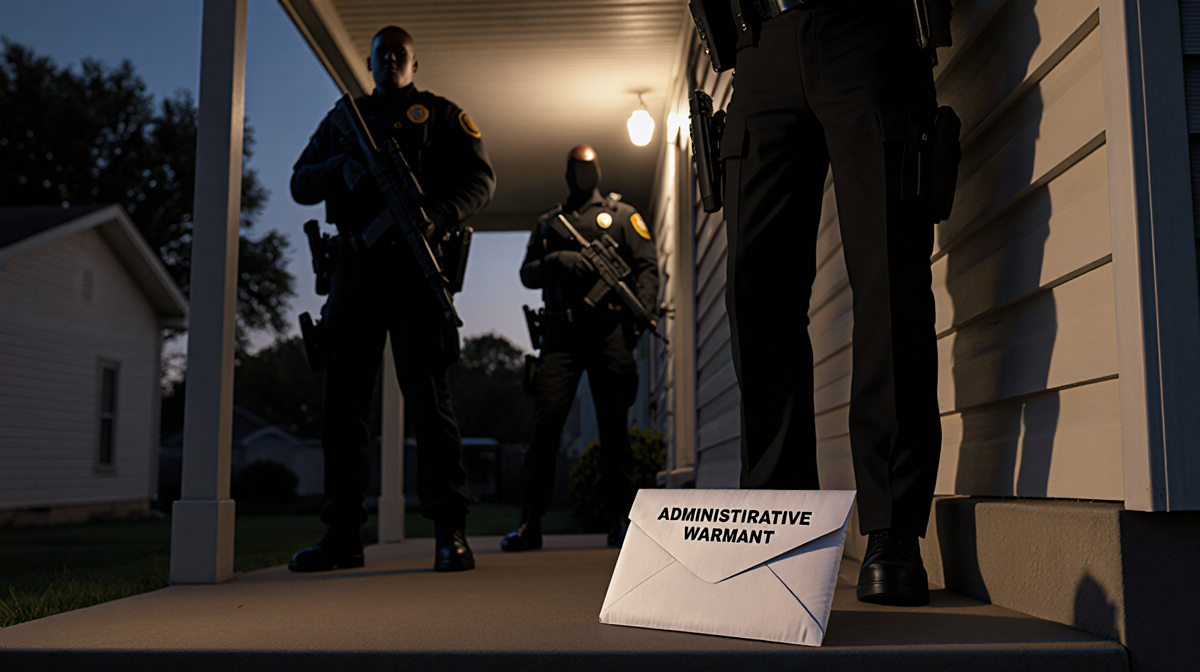
- ICE officers entered homes without judicial warrants, relying on administrative warrants, starting last summer.
- The policy originates from a memo dated May 12, 2025 signed by acting ICE Director Todd Lyons.
- The change has led to increased arrests in Los Angeles and prompted public protests.
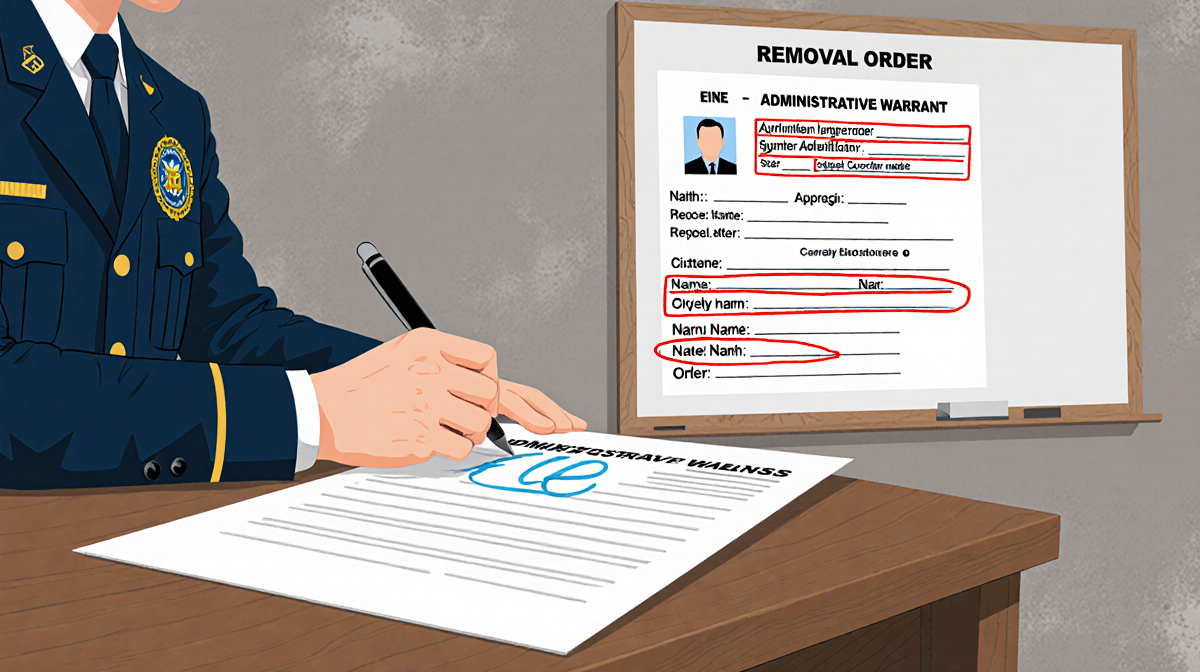
Why it matters: The new practice expands ICE’s authority to enter private residences, raising constitutional concerns and intensifying community backlash.
The policy shift has put ICE at the center of a national debate over immigration enforcement and Fourth Amendment rights. Officials say the new administrative warrant framework is legal, but civil-rights advocates argue it violates constitutional protections.
Administrative Warrants: A Lower Legal Standard
Administrative warrants are signed by ICE field-office officials and allow officers to make arrests when a person is subject to a removal order. They differ from judicial warrants, which are issued by a judge or magistrate and require a higher evidentiary standard. Because administrative warrants are easier to obtain, they grant ICE broader latitude to enter homes.
The memo explains that officers must still provide occupants a reasonable opportunity to comply with the removal order before using force. It also sets time limits-no entry before 6 a.m. or after 10 p.m.-and calls for a “necessary and reasonable amount of force.”
The May 12 Memo and Its Legal Basis
The memo, shared with Sen. Richard Blumenthal by two whistleblowers, states:
> “Although the U.S. Department of Homeland Security (DHS) has not historically relied on administrative warrants alone to arrest aliens subject to final orders of removal in their place of residence, the DHS Office of General Counsel has recently determined that the U.S. Constitution, the Immigration and Nationality Act, and the immigration regulations do not prohibit relying on administrative warrants for this purpose.”
Todd Lyons, the acting ICE director, added that the change marks a departure from past procedures:
> “Detaining people ‘in their residences’ based solely on administrative warrants is a change from past procedures.”
The memo references a March 2025 opinion from DHS’s Office of the General Counsel, but officials emphasize that such opinions are not settled law.
Implementation and On-the-Ground Impact
Charlie Wall, newly named acting deputy director of ICE, was tasked with rolling out the policy. In June, he flew to Los Angeles to brief officers on the new rules. According to officials, ICE began ramping up arrests on June 6, 2025.
The heightened presence in Los Angeles triggered protests across the city. Demonstrators gathered outside ICE facilities, chanting for an end to the new home-entry practice and demanding respect for due process.
The policy is now being incorporated into training materials, indicating that ICE plans to make the approach a standard part of its operations.
Legal and Civil-Liberties Response
Spencer Amdur, attorney for the American Civil Liberties Union Immigrants’ Rights Project, said the policy “flatly violates the Fourth Amendment” and is part of a pattern of disregarding clear legal limits on ICE’s authority.
> “It’s part of a consistent pattern of trying to disregard clear legal limits on their authority,” he said of the Trump administration.
Amdur’s comments echo concerns that the administrative warrant framework could lead to unlawful searches and seizures.
Official Statements and Confirmation
DHS spokeswoman Tricia McLaughlin confirmed that the policy is actively in use but declined to provide specifics on how many homes were entered. She stated:
> “In every case that DHS uses an administrative warrant to enter a residence, an illegal alien has already had their full due process.”
McLaughlin’s statement underscores the agency’s position that the new approach complies with existing legal standards.
President’s Acknowledgment
President Donald Trump, speaking on Tuesday, said federal agents “make mistakes sometimes” in enforcing the immigration crackdown. The remark followed weeks of violent confrontations, including the fatal shooting of Renee Nicole Good.
Timeline of Key Events
| Date | Event |
|---|---|
| May 12, 2025 | Memo issued by acting ICE Director Todd Lyons outlining new administrative warrant policy |
| March 2025 | DHS Office of General Counsel issues legal opinion supporting administrative warrants |
| Early June 2025 | Charlie Wall briefs ICE officers in Los Angeles on the new policy |
| June 6, 2025 | ICE ramps up arrests in Los Angeles; protests erupt across the city |
| Mid-June 2025 | Policy incorporated into ICE training materials |
| Tuesday (exact date not specified) | President Trump acknowledges mistakes by federal agents |
Key Takeaways
- ICE’s new policy allows officers to enter homes without judicial warrants, relying on administrative warrants tied to removal orders.
- The policy is grounded in a memo that cites a March 2025 legal opinion, though officials note that such opinions are not settled law.
- Implementation began in Los Angeles in early June, leading to increased arrests and public protests.
- Civil-rights advocates argue the policy violates the Fourth Amendment, while DHS maintains it is legally sound.
- President Trump acknowledged that federal agents can err, reflecting ongoing tensions around immigration enforcement.
The debate over ICE’s expanded home-entry authority continues to unfold as more details emerge and public scrutiny intensifies.