
At a Glance
- TikTok‘s U.S. operations will be majority-owned by a Trump-backed investor group.
- The deal keeps ByteDance’s stake at 19.9% and creates a seven-member board.
- The shift follows a series of executive orders that delayed a nationwide ban.
- Why it matters: The move could end the U.S. political battle over the app and preserve its 150 million active users.
The Deal Comes After Years of Scrutiny
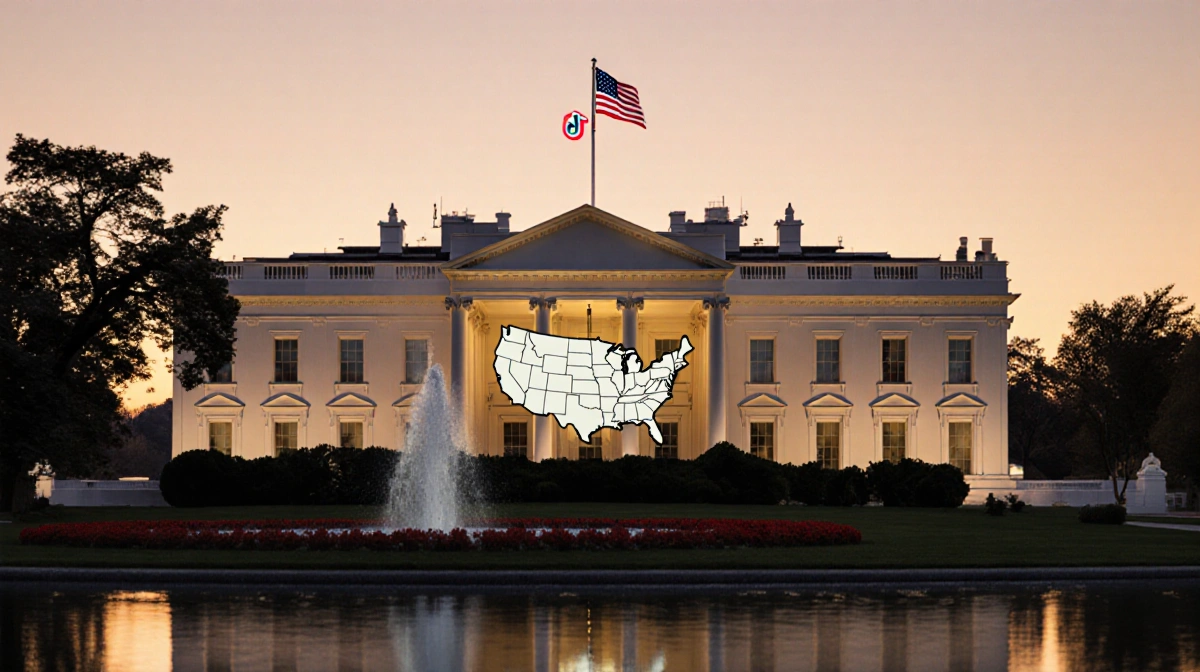
The United States and China have signed off on a transaction that will hand control of TikTok’s U.S. operations to a group of investors backed by President Donald Trump, according to a White House official.
The agreement follows several extensions of a deadline the Trump administration had pushed back.
The decision arrives as TikTok CEO Shou Chew announced a joint-venture plan in the U.S.
Who Are the New Owners?
The U.S. version of TikTok will become majority-owned by a group that includes Oracle, the California-based private-equity firm Silver Lake, and the United Arab Emirates investment firm MGX.
Trump told reporters last year that the investors are “all very well-known people, very famous people actually, financially.”
He also said the app would be “American-operated all the way.”
ByteDance Keeps a Minority Stake
ByteDance will keep a 19.9% stake in the U.S. operation, TikTok said in a December memo.
The memo also outlined the structure of the joint venture.
The arrangement preserves a small Chinese ownership while shifting day-to-day control to Americans.
Board Structure and Leadership
The joint venture will be governed by a seven-member board of directors, according to a statement Thursday evening from TikTok USDS Joint Venture LLC.
It will be led by Adam Presser with Chew serving as a director.
The statement said the majority of the members are American.
The board will oversee strategic decisions and compliance.
User Base and Market Presence
Americans make up TikTok’s largest user and creator bases, with more than 150 million active users in the country.
The platform’s popularity has fueled debates over national security and data privacy.
The user base is a key factor in the political calculus behind the deal.
Political Backdrop: A Long-Running Debate
The popular short-form video platform has faced scrutiny across the political aisle over its Chinese ownership.
Both Trump and former President Joe Biden cited national security concerns in attempts to push for a nationwide ban.
The debate intensified when the Protecting Americans from Foreign Adversary Controlled Applications Act was set to take effect.
The Ban Threat and Its Fallout
The bipartisan bill, upheld by the Supreme Court, required ByteDance to sell the platform to an American company or face a ban.
The looming threat of a nationwide shutdown stirred a mass exodus of users.
Many users migrated to Instagram Reels and YouTube Shorts to protect their audiences and income streams.
User Migration and Public Response
Users, fearing loss of income, moved to other platforms.
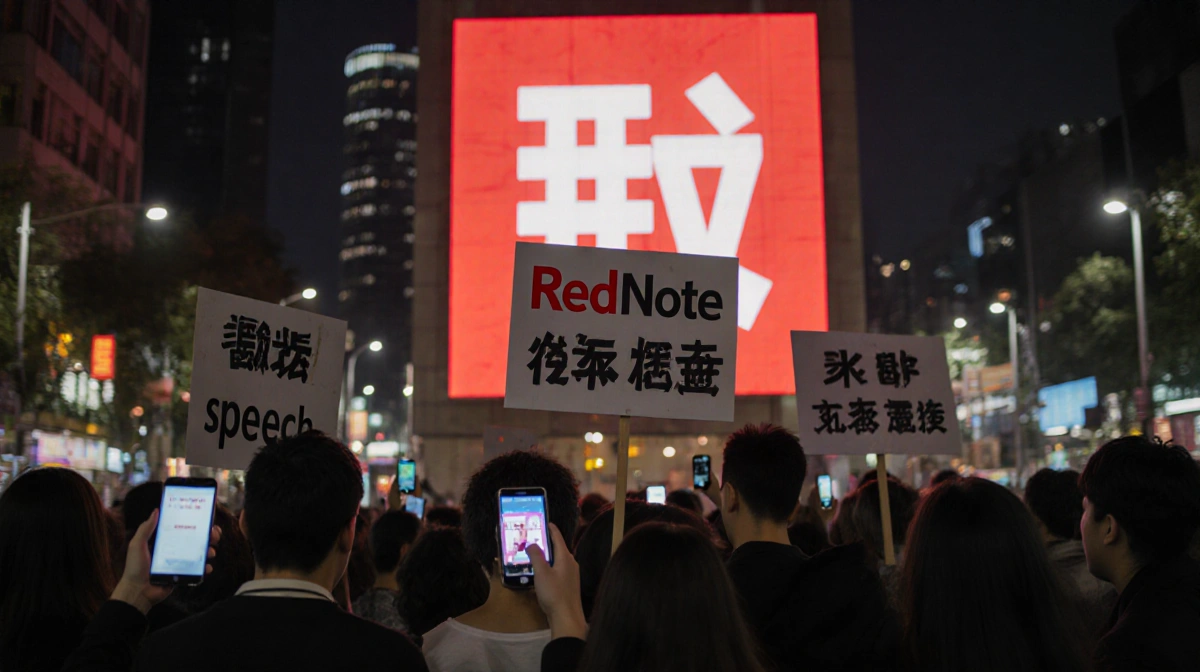
Some also inundated the Chinese social media app RedNote in protest.
The migration underscored the economic stakes for creators.
Executive Orders and Delays
Trump repeatedly issued executive orders to delay the ban.
He extended TikTok’s shutdown deadline four times before announcing a tentative deal in September.
The delays kept the app available to American users.
Trump’s Changing Stance
In 2020, during his first term, Trump signed an executive order to effectively ban TikTok.
That order was later halted in court.
By 2024, he openly voiced opposition to a ban and joined the platform.
He even published a video promising to “save TikTok.”
Biden’s Transition and Congressional Dynamics
Last January, the Biden White House said it would pass enforcement responsibility to Trump’s incoming administration.
Congressional leaders who had once championed the ban seemed to shy away from enforcing it.
The shift reflected changing priorities in the new administration.
Signing the Deal
President Donald Trump signed an executive order Thursday paving the way for the TikTok deal.
The order cleared the path for majority ownership transfer to American investors.
The signing was a culmination of months of negotiation.
Implications for U.S. Tech Policy
The deal could signal a shift away from hard-line security measures.
It may also influence future U.S. policy on foreign-owned tech companies.
The outcome will be closely watched by lawmakers.
Global Perspective on Data Security
The agreement addresses concerns about data access by Chinese authorities.
It also sets a precedent for handling other foreign-owned platforms.
The move may reassure international partners.
Impact on TikTok’s Growth Strategy
With a majority-owned U.S. entity, TikTok can pursue growth without the threat of a ban.
The platform can invest in local content and infrastructure.
Creators may see renewed confidence in monetization.
Legal and Regulatory Oversight
The joint venture will be subject to U.S. regulatory scrutiny.
The board’s composition aims to satisfy security concerns.
Legal experts will monitor compliance.
Future of the App in the U.S. Market
The deal ensures TikTok remains operational.
It may reduce political friction over the app.
The platform’s future growth will depend on user engagement.
Key Takeaways
- TikTok’s U.S. operations will be majority-owned by a Trump-backed group.
- ByteDance retains a 19.9% stake.
- The move ends the immediate threat of a nationwide ban.
- The deal reflects a broader shift in U.S. tech policy.