

At a Glance
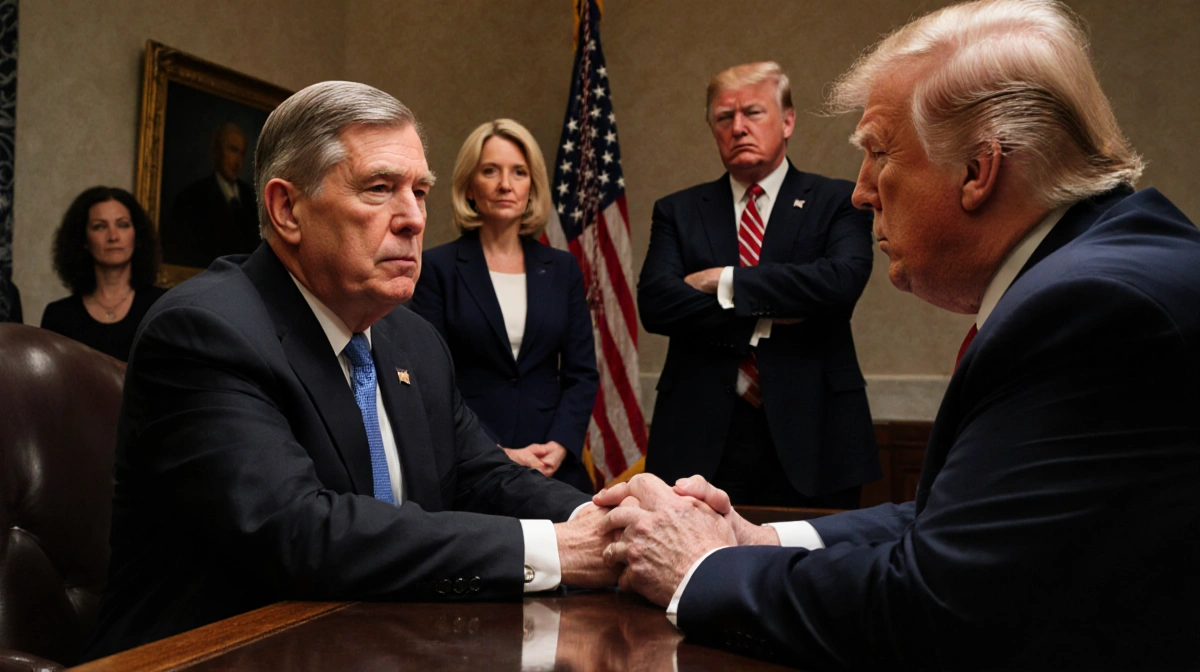
- The Supreme Court hears arguments on President Trump’s bid to remove Fed governor Lisa Cook.
- Trump claims “for cause” over mortgage-fraud allegations that Cook denies.
- DOJ is separately investigating Fed Chair Jerome Powell, intensifying White House pressure on the central bank.
- Why it matters: The case could redefine how much political control a president has over interest-rate policy and the independence of the Federal Reserve.
The Supreme Court on Wednesday weighs President Donald Trump’s effort to fire Federal Reserve Board member Lisa Cook, a move that could reshape the balance between the White House and the nation’s central bank.
The dispute centers on a single question: can Trump remove a Fed governor without following the “for cause” protections written into the Federal Reserve Act?
The Allegations and the Law
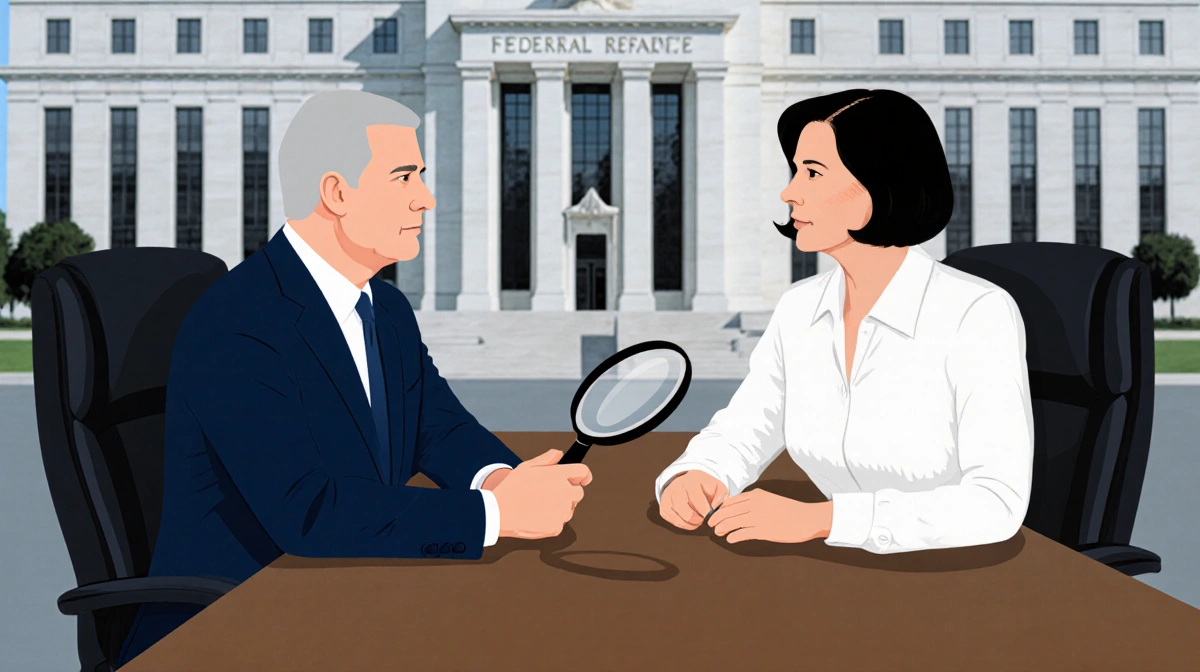
Congress designed the Federal Reserve to operate free from day-to-day political pressure. The statute permits a president to dismiss governors only for “cause,” generally interpreted as wrongdoing or neglect of duty.
Trump contends he has that cause. He points to accusations leveled by Bill Pulte, his appointee who leads the Federal Housing Finance Agency, that Cook committed mortgage fraud. Cook has publicly denied the claim, and documents reviewed by News Of Philadelphia appear to undercut the fraud assertion.
Cook’s legal team argues the administration must first give her notice and an opportunity to respond. They say the evidence fails to meet the statutory threshold for removal.
Two Leaders, Two Investigations
The case lands at the court amid a broader push by Trump to exert influence over the Fed. The Justice Department is simultaneously investigating Chair Jerome Powell over testimony he gave to Congress about renovations at the Fed’s Washington headquarters. Powell’s term as chair expires in May, though he could remain a board member until 2028.
Solicitor General D. John Sauer, writing for the administration, maintains Fed governors have no legal right to a hearing. He argues the Constitution gives the president sole authority to decide when the “for cause” standard is satisfied.
Powell is expected to attend Wednesday’s oral argument.
A Pattern of Firings
Since returning to office a year ago, Trump has dismissed numerous officials at agencies Congress intended to insulate from politics. He has already removed leaders at the Federal Trade Commission and the National Labor Relations Board despite similar “for cause” protections. The Supreme Court has so far allowed those moves.
Yet the justices hinted in May that the Federal Reserve might stand on different footing. In a related opinion, they described the Fed as a “uniquely structured, quasi-private entity” with its own historical tradition.
In October, the court declined to let Trump fire Cook immediately, scheduling full briefing and oral argument instead. The order suggested the administration could face an uphill climb.
Voices of Opposition
Critics warn that subjecting interest-rate decisions to political whims could undermine price stability and investor confidence.
“We are in an unprecedented moment right now. President Donald Trump is doing everything he can to take over America’s central bank so that it works for him, along with his billionaire friends,” said Sen. Elizabeth Warren, D-Mass., last week. While she has frequently criticized Fed policies, she added, “I think we can all agree that the Fed works best when its decisions are based on data.”
Former Fed chairs and senior officials issued a joint statement warning that politicizing monetary policy can bring “highly negative consequences for inflation and the functioning of their economies more broadly,” citing emerging-market history as evidence.
What’s Next
The justices must decide whether courts can review a president’s determination that “cause” exists and, if so, what process is due to a Fed governor before removal.
A ruling for Cook could reinforce the central bank’s independence. A ruling for Trump could clear the way for broader White House control over agencies long shielded from direct political pressure.
Key Takeaways
- The Supreme Court’s decision will set precedent on presidential removal power at the Fed.
- Trump has targeted both Cook and Powell, intensifying scrutiny of the central bank.
- The case highlights tension between White House priorities and the Fed’s congressionally mandated independence.