
At a Glance
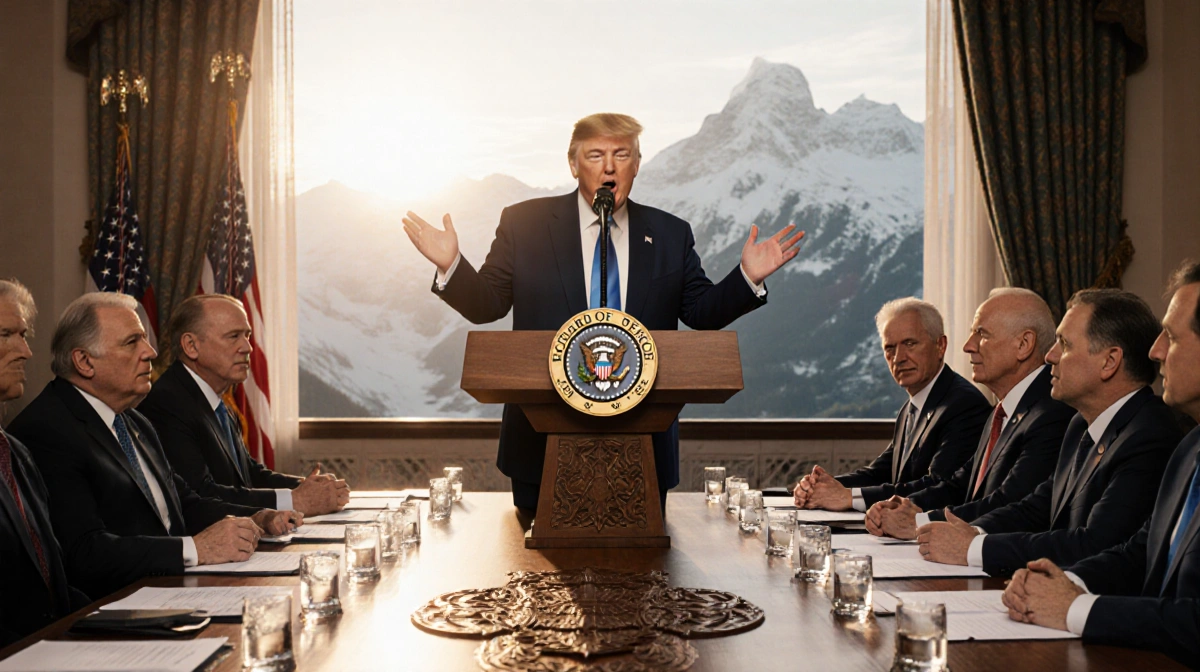
- Trump announces a new Board of Peace at the World Economic Forum.
- The board, initially a Gaza ceasefire group, now aims to replace the UN.
- 35 countries have signed; 60 invited; several key allies refuse to attend.
- Why it matters: The board could reshape global conflict resolution and challenge the UN’s authority.
Trump announced his Board of Peace during a “charter announcement” on the sidelines of the World Economic Forum in the Swiss Alps. The event was meant to build momentum for a project that had been eclipsed earlier this week by his threats to seize Greenland and a dramatic retreat from that push. The board was first conceived as a small group of world leaders overseeing the Gaza ceasefire, but it has since expanded into a broader, more ambitious initiative. Some traditional U.S. allies have so far taken a pass amid skepticism about its membership and mandate.
Trump’s Vision for the Board
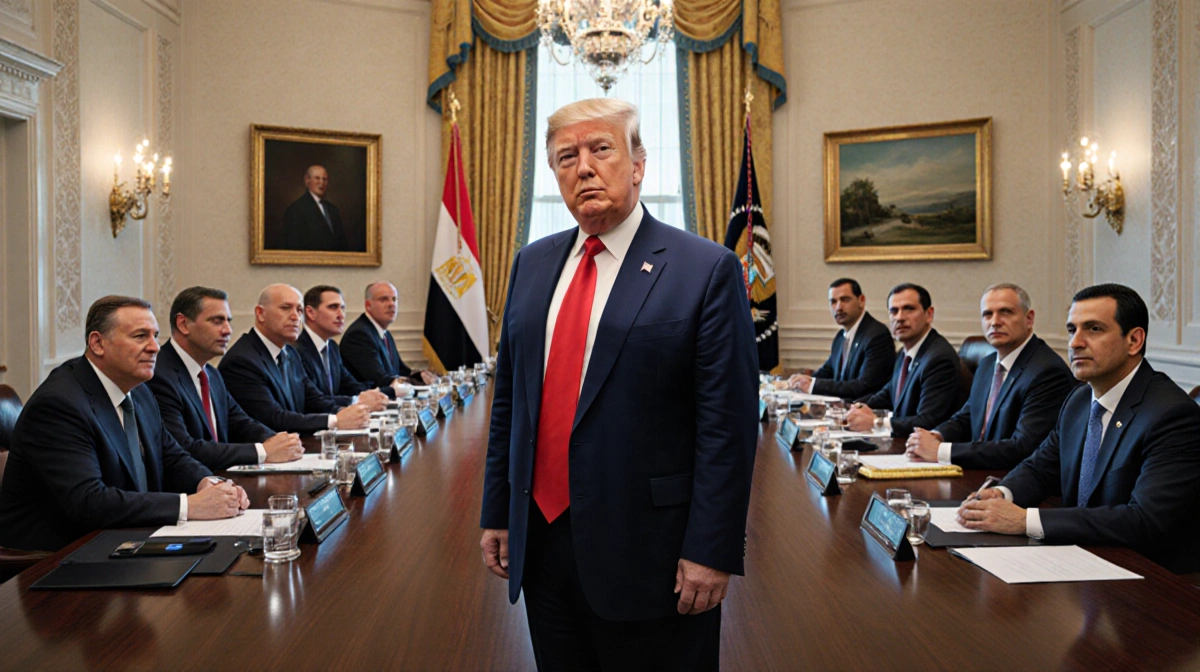
Trump expressed confidence ahead of the forum, saying the board would be the most prestigious ever formed. He added, “We have a lot of great people that want to join.” During a Wednesday meeting with Egyptian President Abdel-Fattah el-Sissi-who is among the countries that have announced it will join-the president emphasized the board’s potential to replace some UN functions. Trump also hinted that the board could eventually make the UN obsolete.
Key attendees at the forum included:
- Secretary of State Marco Rubio
- U.S. special envoy Steve Witkoff
- President’s son-in-law Jared Kushner
- Saudi Arabia’s Foreign Minister Prince Faisal bin Farhan
- Azerbaijan’s President Ilham Aliyev
- Armenia’s Prime Minister Nikol Pashinyan
- Paraguayan President Santiago Peña
- Kazakhstan’s President Kassym-Jomart Tokayev
- Argentina’s President Javier Milei
- Indonesia’s President Prabowo Subianto
- Heads of several state-run sovereign wealth funds
A senior administration official, speaking anonymously, said 35 countries had agreed to sign on to the project and 60 nations had been invited.
Global Reactions
Key Allies Skipping the Event
- Britain: Foreign Secretary Yvette Cooper told the BBC that the UK would not sign the treaty, citing concerns about President Putin‘s participation.
- France: Stated support for the Gaza peace plan but worried the board could replace the UN.
- Norway and Sweden: Declined to participate.
- Slovenia: Prime Minister Robert Golob said the time had not yet come to accept the invitation.
- Canada, Russia, Ukraine, China, and the EU’s executive arm have not yet responded.
Russia’s Position
President Vladimir Putin said his country was still consulting with Moscow’s “strategic partners” before deciding to commit. He will meet with Witkoff and Kushner late Thursday. Kremlin spokesman Dmitry Peskov said Putin “highly values peacemaking efforts by President Trump and his team.” Putin plans to discuss a $1 billion contribution to the Board of Peace for humanitarian purposes, but the use of those assets would require U.S. action to unblock them.
Israel’s Involvement
Israeli Prime Minister Benjamin Netanyahu announced he would join the board after earlier criticism of its composition. The Gaza ceasefire remains fragile, with more than 2 million Palestinians still suffering humanitarian hardships. Trump said he expects to know in the next few weeks whether Hamas will agree to disarm.
Challenges and Skepticism
- UN Replacement: Trump said the board “might” replace the UN, citing its lack of effectiveness. Critics worry it could undermine the UN Charter.
- Authoritarian Invitations: The board’s invitation list includes leaders from Russia, Belarus, and Iran, raising concerns about legitimacy.
- Greenland Issue: Trump’s earlier threat to seize Greenland may have deterred some allies, though the steep tariffs were called off.
- Iran’s Role: Trump linked his hard line on Iran-strikes on nuclear facilities-to the success of the Gaza ceasefire, stating, “If we didn’t do that, there was no chance of making peace.”
Tally of Country Participation
| Accepted | Not Joining (at least for now) | Non-committal |
|---|---|---|
| Argentina | France | Cambodia |
| Armenia | Norway | China |
| Azerbaijan | Slovenia | Croatia |
| Bahrain | Sweden | Germany |
| Belarus | United Kingdom | Italy |
| Egypt | European Union’s executive arm | |
| Hungary | Paraguay | |
| Indonesia | Russia | |
| Jordan | Singapore | |
| Kazakhstan | Ukraine | |
| Kosovo | ||
| Morocco | ||
| Pakistan | ||
| Qatar | ||
| Saudi Arabia | ||
| Turkey | ||
| United Arab Emirates | ||
| Uzbekistan | ||
| Vietnam |
Next Steps
- Trump will likely discuss the board’s framework with Zelenskyy and Putin during the forum.
- The board’s mandate and membership criteria will be refined after feedback from invited nations.
- The U.S. administration will address queries from countries not yet invited.
- The board’s potential to replace the UN will be a central topic in future diplomatic discussions.
Trump‘s Board of Peace remains a controversial proposal that could reshape international conflict resolution, but its success hinges on the willingness of key allies to participate and the clarity of its mandate.
Key Takeaways
- Trump is pushing a new Board of Peace that could replace the UN.
- 35 countries have signed; many major allies have declined.
- Russia and Israel are key participants, while the UK, France, Norway, and Sweden have opted out.
- The board’s future depends on resolving concerns about legitimacy, membership, and its relationship to existing global institutions.